Taarak Mehta Ka Ooltah Chashmah – Complete Story, Popular Characters, Impact, and Why It Still Rules Indian Television
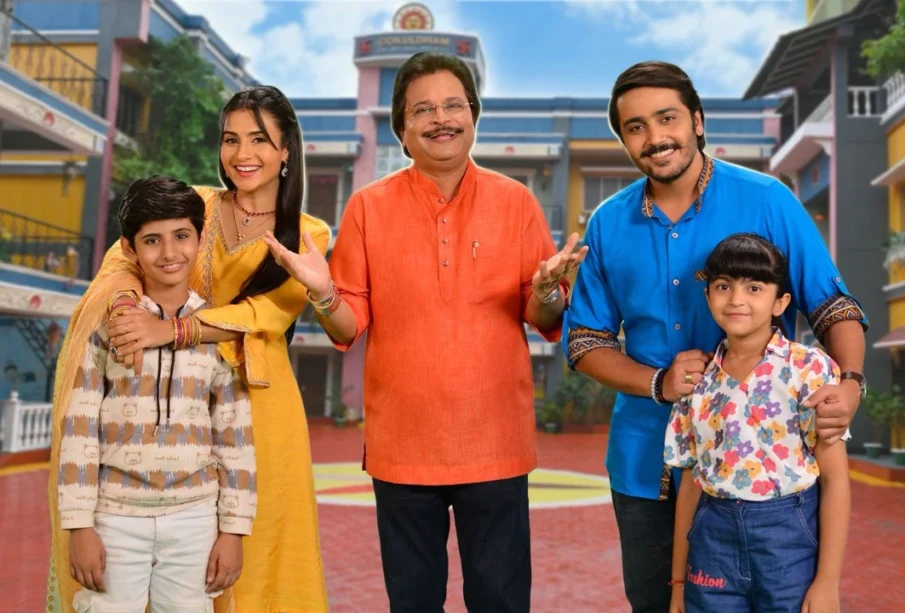
Indian television has produced many comedy shows, but only a few have managed to stay relevant, entertaining, and family-friendly for years. Among them, Taarak Mehta Ka Ooltah Chashmah (TMKOC) stands out as one of the most loved and longest-running sitcoms in India. The show premiered on 28 July 2008 on SAB TV and continues to attract millions of viewers even after more than a decade.
What makes this show special is its simple storytelling, relatable characters, clean humor, and positive message about unity in diversity. Unlike many modern serials that focus on drama or negativity, Taarak Mehta Ka Ooltah Chashmah celebrates everyday life, friendship, and community living in a light-hearted and meaningful way.
This article provides a complete overview of the show, its concept, characters, cultural impact, controversies, and reasons behind its massive success.
Concept and Inspiration Behind the Show
Taarak Mehta Ka Ooltah Chashmah is based on the popular Gujarati column “Duniya Ne Oondha Chashma” written by Taarak Mehta, a well-known humorist and journalist. The column used satire and humor to comment on social issues, politics, and daily life challenges.
The television adaptation was created by Asit Kumarr Modi, who wanted to bring a similar feel to the small screen — making people laugh while subtly teaching life lessons. The show is set in Gokuldham Society, a fictional residential complex in Mumbai, where families from different cultures, religions, and regions live together like one big family.
Each episode presents a small problem or misunderstanding, which is eventually solved with teamwork, friendship, and wisdom — mostly guided by Taarak Mehta and Jethalal Champaklal Gada.
Gokuldham Society – The Heart of the Show
Gokuldham Society is not just a building — it is a symbol of Indian unity. People from Gujarat, Maharashtra, Punjab, South India, and other regions live together happily, respecting each other’s traditions.
Residents celebrate all festivals together — Diwali, Holi, Navratri, Eid, Christmas, Ganesh Chaturthi, and more. This makes the show culturally rich and emotionally relatable to viewers across India.
The society is led by Aatmaram Tukaram Bhide, the strict but caring secretary, who ensures discipline while also maintaining harmony among residents.
Iconic Characters and Their Importance
The strength of Taarak Mehta Ka Ooltah Chashmah lies in its unforgettable characters, each with a unique personality.
Jethalal Champaklal Gada (Dilip Joshi)
Jethalal is the most popular character of the show. He is a Gujarati businessman who owns Gada Electronics. His funny misunderstandings, emotional bond with his father, and playful crush on Babita ji make him extremely entertaining.
His relationship with his father Champaklal Gada is heartwarming, showing respect, love, and traditional values.
Daya Jethalal Gada (Disha Vakani)
Daya is Jethalal’s cheerful and loving wife, known for her iconic garba dance and unique way of saying “Hey Maa Mataji.” Her sweet innocence and comedic timing made her a fan favorite.
Though the character has been missing from the show for years, fans still hope for her return.
Taarak Mehta (Shailesh Lodha)
Taarak is the intelligent and calm journalist who often resolves problems with logic and wisdom. His conversations with Jethalal provide some of the best comic moments in the show.
Dr. Hansraj Hathi (Azad Kavi / Nirmal Soni)
Dr. Hathi is kind-hearted and humorous, famous for his love of food. His friendship with Jethalal adds a funny dynamic to the story.
Bhide (Mandar Chandwadkar)
As the society secretary, Bhide is strict about rules but deeply cares for everyone. He represents middle-class discipline and responsibility.
Madhavi Bhide (Sonalika Joshi)
She is practical, hardworking, and manages household expenses wisely — a relatable character for many viewers.
Tappu Sena (Youth Gang)
Tappu and his friends represent the younger generation. Their pranks, mischief, and innocence keep the show lively and fun for children and teenagers.
Comedy Style – Clean and Family-Friendly
Unlike many modern comedy shows that rely on adult humor, Taarak Mehta Ka Ooltah Chashmah is completely family-friendly. Parents can watch it with their children without worry.
The humor comes from:
- Misunderstandings
- Wordplay
- Situational comedy
- Character behavior
- Social satire
This is one of the biggest reasons why the show has maintained its popularity for so long.
Social Messages in Every Episode
Beyond comedy, the show regularly promotes positive values such as:
- Respect for elders
- Unity in diversity
- Importance of honesty
- Helping neighbors
- Saving the environment
- Traffic rules awareness
- Importance of education
- Health and hygiene
Many episodes also spread awareness about important issues like cybercrime, road safety, women empowerment, and community responsibility.
Popularity and TRP Success
For many years, Taarak Mehta Ka Ooltah Chashmah has been among the top-rated Indian TV shows. It consistently performs well in TRP ratings because:
- It appeals to all age groups
- It is easy to understand
- It connects with middle-class families
- It avoids unnecessary drama
- It remains consistent in storytelling
Even after hundreds of episodes, viewers still tune in daily.
Why People Love the Show
There are several reasons behind the massive love for this show:
- Relatable characters
- Light-hearted humor
- Strong cultural representation
- Positive storytelling
- No excessive negativity
- Nostalgic value
- Comfort viewing for families
Many viewers feel emotionally attached to Gokuldham Society as if it is their own neighborhood.
Controversies and Criticism
Like any long-running show, TMKOC has faced some criticism over the years:
- Slow storyline progression
- Repetitive plots
- Cast changes
- Absence of key characters like Daya
However, despite these issues, the show still maintains a loyal fan base.
Cast Changes and Their Impact
Several actors have left the show, including:
- Disha Vakani (Daya)
- Shailesh Lodha (Taarak Mehta)
- Original Dr. Hathi
These changes affected viewers emotionally, but new actors stepped in to keep the show running.
Fans continue to hope for the return of original cast members.
Digital Presence and Online Popularity
The show is widely watched on platforms like YouTube and Sony LIV. Short clips, memes, and funny scenes go viral regularly on social media.
Dialogues like:
- “Tapu ke Papa!”
- “Daya darwaza kholo!”
- “Jethalal, Gada Electronics”
have become part of everyday conversations in India.
Cultural Impact on Indian Society
Taarak Mehta Ka Ooltah Chashmah has influenced Indian culture in many ways:
- Encouraging community living
- Promoting respect among neighbors
- Celebrating diversity
- Spreading awareness about social issues
Many housing societies in India even organize events inspired by Gokuldham.
Is the Show Still Worth Watching in 2026?
Yes. Even in 2026, the show remains relevant because:
- It provides stress-free entertainment
- It avoids dark themes
- It reminds viewers of simple joys
- It feels like a comforting family environment
For many people, watching TMKOC is like spending time with old friends.
Future of the Show
Producers have confirmed that the show will continue for many more years due to its popularity. Fans expect:
- Fresh storylines
- Return of some old characters
- More socially relevant episodes
The legacy of Taarak Mehta Ka Ooltah Chashmah is likely to last for generations.
Final Thoughts
Taarak Mehta Ka Ooltah Chashmah is not just a TV show — it is a cultural phenomenon. It brings laughter, values, and unity into millions of homes every day.
Whether you are a child, teenager, adult, or senior citizen, there is something for everyone in Gokuldham Society. That is why this show continues to be loved, respected, and celebrated across India.



-
Machu Picchu – The Complete Travel Guide to Peru’s Lost City of the Incas
This complete guide covers everything you need to know — history, top ...