
Stonehenge: The Timeless Mystery of England’s Prehistoric Wonder
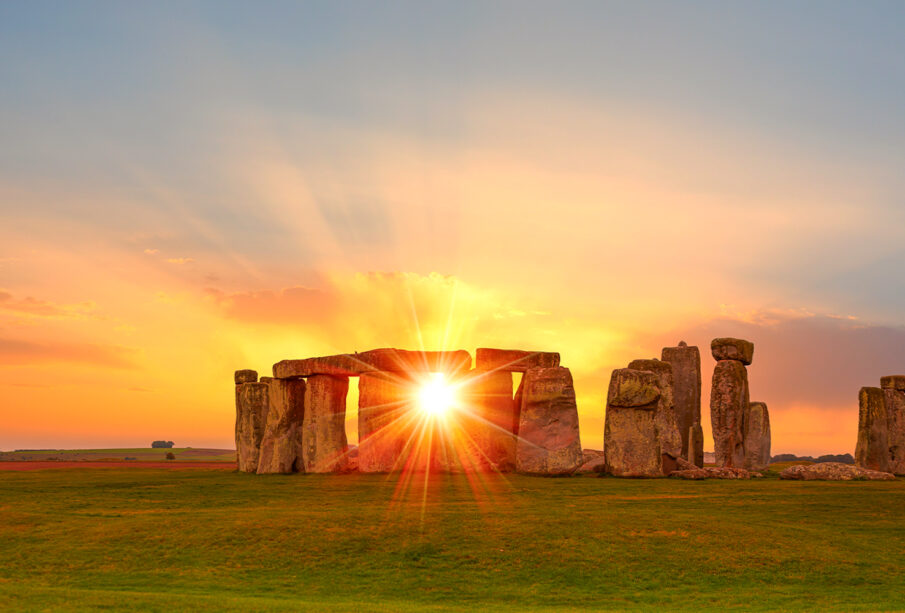
Few places in the world spark as much curiosity, debate, and wonder as Stonehenge. Standing silently on the Salisbury Plain in Wiltshire, England, this ancient stone circle has fascinated historians, archaeologists, spiritual seekers, and travelers for centuries. Built thousands of years ago, long before modern machinery or advanced tools, Stonehenge remains one of the greatest mysteries of the ancient world.
If you’re searching for a destination rich in history, mystery, and cultural significance, Stonehenge is more than just a tourist attraction — it’s a journey back in time.
Where Is Stonehenge Located?
Stonehenge is located in southern England, about 8 miles (13 km) north of Salisbury and roughly 90 miles (145 km) west of London. It sits in an open landscape known as Salisbury Plain, surrounded by burial mounds and other ancient earthworks that add to its historical importance.
The site is managed by English Heritage, which maintains the monument and visitor facilities.
When Was Stonehenge Built?
Stonehenge was constructed in several phases between approximately 3000 BCE and 2000 BCE. That means it is older than the Great Pyramids of Egypt.
The construction happened in stages:
- 3000 BCE – The first circular ditch and bank were created.
- 2500 BCE – The massive sarsen stones were erected.
- Later years – Smaller bluestones were rearranged multiple times.
This timeline shows that Stonehenge was not built overnight. It evolved over centuries, shaped by different generations.
How Was Stonehenge Built?
One of the biggest mysteries surrounding Stonehenge is how ancient people managed to transport and erect the enormous stones.
There are two main types of stones:
- Sarsen Stones – The large vertical stones weighing up to 25 tons.
- Bluestones – Smaller stones transported from Wales, nearly 150 miles away.
Without modern cranes or vehicles, researchers believe the builders used wooden sledges, rollers, ropes, and human strength. The precision with which the stones were placed — especially the horizontal lintels balancing on top — shows remarkable engineering skills.
Why Was Stonehenge Built?
This is the question that keeps historians debating even today. Several theories attempt to explain its purpose:
1. Astronomical Observatory
Stonehenge aligns perfectly with the sunrise during the summer solstice and sunset during the winter solstice. This suggests it may have been used to track seasons, helping ancient communities plan agriculture.
2. Religious or Spiritual Site
Many experts believe it was a sacred ceremonial site. Human remains found nearby indicate that it may have been a burial ground.
3. Healing Center
Some archaeologists think people traveled long distances to Stonehenge seeking healing, as some skeletons show signs of illness and injury.
Despite years of research, no single explanation fully answers the mystery — and that’s part of its charm.
Stonehenge and the Summer Solstice
Every year, thousands of visitors gather at Stonehenge during the summer solstice (around June 21). On this day, the sun rises directly behind the Heel Stone and shines into the center of the monument.
This astronomical alignment continues to amaze scientists and visitors alike. The event connects modern humanity with ancient traditions in a powerful way.
Is Stonehenge a UNESCO World Heritage Site?
Yes. In 1986, Stonehenge, along with nearby Avebury stone circles, was designated a UNESCO World Heritage Site. This recognition highlights its global cultural and historical importance.
Its preservation ensures that future generations can continue to study and admire this prehistoric marvel.
Visiting Stonehenge: What to Expect
If you’re planning to visit, here’s what you should know:
1. Visitor Centre
The modern visitor center features exhibitions, artifacts, and reconstructed Neolithic houses to help visitors understand life during Stonehenge’s construction.
2. Walking Path
Visitors walk along a designated path around the stones to protect the monument while still offering excellent views.
3. Audio Guide
An informative audio guide explains the history, theories, and discoveries connected to the site.
4. Best Time to Visit
- Early morning for fewer crowds
- Spring and summer for better weather
- Solstice events for a unique experience
Interesting Facts About Stonehenge
- It is over 4,000 years old.
- Some stones weigh more than 25 tons.
- The monument is aligned with celestial movements.
- Bluestones were transported from Wales.
- The surrounding area contains hundreds of burial mounds.
These fascinating facts make Stonehenge one of the most studied archaeological sites in the world.
Stonehenge in Popular Culture
Stonehenge has inspired books, films, and television shows. It often appears as a symbol of ancient mystery and unexplained phenomena. Its iconic silhouette against the sky has become one of Britain’s most recognizable images.
Why Stonehenge Still Matters Today
In an age of technology and skyscrapers, Stonehenge reminds us of human creativity long before machines existed. It proves that ancient civilizations possessed knowledge, organization, and vision far beyond what we once believed.
For travelers, historians, and spiritual seekers alike, Stonehenge offers something rare — a direct connection to humanity’s distant past.
Travel Tips for Indian Tourists
If you’re traveling from India:
- The nearest major airport is London Heathrow.
- You can reach Salisbury by train from London.
- Advance booking tickets online is recommended.
- Carry warm clothing, as English weather can change quickly.
Final Thoughts
Stonehenge is not just a monument made of stones. It is a story carved in rock — a story of human ambition, belief, science, and mystery. Thousands of years later, it still stands strong, challenging us to understand the minds of our ancestors.
Whether you’re a history enthusiast, a traveler planning your next international trip, or simply curious about ancient wonders, Stonehenge deserves a place on your list.







-
Lake Pichola & Jag Mandir: The Timeless Jewel of Udaipur
Lake Pichola and Jag Mandir are not just tourist spots — they ...