
Train to Busan (2016): The Ultimate Zombie Thriller That Redefined Korean Cinema
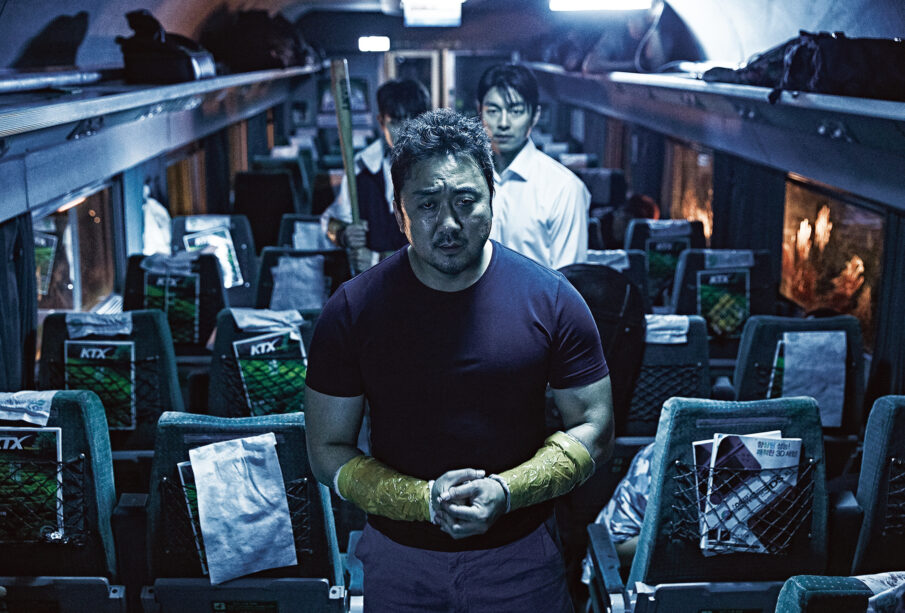
When Train to Busan (2016) was released, it didn’t just join the long list of zombie apocalypse movies — it transformed the genre forever. Directed by Yeon Sang-ho, this South Korean survival thriller combined relentless action, emotional storytelling, and sharp social commentary to create one of the most powerful zombie films ever made.
Starring Gong Yoo, Ma Dong-seok, and Jung Yu-mi, Train to Busan became a global box office sensation and is now widely regarded as one of the best Korean movies of all time.
This in-depth, SEO-optimized article explores the plot, cast, themes, symbolism, box office performance, cultural impact, and why Train to Busan remains one of the greatest zombie apocalypse films ever created.
Introduction: Why Train to Busan Became a Global Phenomenon
The zombie genre has existed for decades, with countless films depicting apocalyptic outbreaks and survival struggles. However, Train to Busan stood out because it wasn’t just about the undead — it was about humanity.
Premiering at the Cannes Film Festival in 2016, the film quickly generated buzz for its:
- High-speed action sequences
- Emotional father-daughter story
- Realistic portrayal of fear and panic
- Sharp social commentary
Unlike traditional zombie movies that rely heavily on gore, Train to Busan balances horror with heart, making it both thrilling and emotionally devastating.
Plot Summary: A Journey from Seoul to Busan Turns Deadly
The story follows Seok-woo, a successful but emotionally distant fund manager. He agrees to take his young daughter, Su-an, on a KTX high-speed train from Seoul to Busan so she can visit her mother.
Shortly after departure, a mysterious infected woman boards the train. Within minutes, she transforms into a zombie and attacks passengers. The infection spreads rapidly, turning the train compartments into chaos zones.
As the train speeds toward Busan — rumored to be safe from the outbreak — passengers must:
- Fight aggressive infected individuals
- Move strategically through compartments
- Protect loved ones
- Decide who deserves help
The confined train setting creates intense claustrophobia, making every escape attempt dangerous.
Main Cast and Characters
Seok-woo (Gong Yoo)
Gong Yoo delivers a powerful performance as a flawed father who gradually learns the value of selflessness. At the beginning, Seok-woo prioritizes work over family. As the crisis unfolds, he transforms into a protective, courageous parent willing to sacrifice everything for his daughter.
Sang-hwa (Ma Dong-seok)
One of the film’s most beloved characters, Sang-hwa is physically strong yet emotionally warm. He represents bravery and compassion. Ma Dong-seok’s charisma adds both humor and heroism to the film.
Seong-kyeong (Jung Yu-mi)
Sang-hwa’s pregnant wife, Seong-kyeong, symbolizes resilience and quiet strength during chaos.
Su-an (Kim Su-an)
Su-an is the emotional core of the movie. Her innocence and moral clarity highlight the selfishness of many adults around her.
Themes in Train to Busan (2016)
1. Parenthood and Redemption
At its heart, Train to Busan is about fatherhood. Seok-woo begins as emotionally detached but learns that true success lies in compassion and sacrifice.
The film suggests that crises can transform people — sometimes for the better.
2. Class Division and Social Inequality
The film subtly critiques economic hierarchy. The wealthy businessman character repeatedly prioritizes his own safety over others, reflecting real-world corporate selfishness.
This theme mirrors broader societal issues, making the film more than just entertainment.
3. Survival vs. Humanity
A key question the film asks:
Is survival worth it if you lose your humanity?
Some characters risk their lives to save strangers. Others betray innocent people to protect themselves.
Train to Busan suggests that compassion defines true strength.
4. Fear and Group Psychology
The outbreak exposes how fear spreads faster than infection. Panic leads to irrational decisions, mob behavior, and tragic consequences.
The film’s portrayal of crowd psychology feels disturbingly realistic.
Why Train to Busan Is One of the Best Zombie Movies Ever Made
Fast, Aggressive Zombies
Unlike slow-moving traditional zombies, the infected in Train to Busan are:
- Extremely fast
- Violent
- Unpredictable
Their rapid movements create nonstop tension.
Confined Setting
Most zombie films feature open cities or rural landscapes. Train to Busan traps characters inside a moving train, intensifying claustrophobia and suspense.
Emotional Depth
The father-daughter relationship elevates the story beyond horror. The emotional climax leaves a lasting impact on viewers.
Cinematography and Direction
Director Yeon Sang-ho masterfully blends action and emotion. The camera work inside narrow train aisles enhances urgency.
The use of:
- Tight framing
- Low lighting
- Quick cuts
creates relentless pacing while still allowing space for emotional moments.
Symbolism in Train to Busan
The Train as Society
The train represents modern society — divided into compartments, reflecting class structure. People in first-class sections are initially insulated from danger, while others face immediate threat.
Busan as Hope
Busan symbolizes safety and survival. It becomes a distant promise of security in a collapsing world.
The Tunnel Scenes
Dark tunnels represent uncertainty and fear of the unknown. Visibility disappears, just like control over the situation.
Box Office Success and Global Reach
Train to Busan was a massive commercial success:
- Over 11 million tickets sold in South Korea
- Became one of the highest-grossing Korean films internationally
- Expanded Korean cinema’s global reputation
The film proved that foreign-language thrillers could dominate global markets.
Critical Reception
Critics worldwide praised Train to Busan for:
- Emotional storytelling
- Genre innovation
- Strong performances
- Social commentary
It holds high ratings on major review platforms and is frequently ranked among the greatest zombie films ever made.
Cultural Impact
Train to Busan significantly boosted global interest in Korean cinema. After its release, audiences increasingly explored Korean films and series.
The movie also led to:
- An animated prequel, Seoul Station
- A sequel titled Peninsula
Although the sequel received mixed reviews, the original remains the definitive installment.
Train to Busan vs. Hollywood Zombie Films
Compared to many Hollywood zombie movies, Train to Busan offers:
- Stronger emotional arcs
- Clear social commentary
- More realistic character reactions
- Balanced pacing
It proves that horror films can be meaningful without sacrificing entertainment.
Why Train to Busan Still Feels Relevant Today
Themes of public health crisis, misinformation, and government response feel especially relevant in today’s world.
The film’s portrayal of:
- Panic buying
- Fear-driven behavior
- Institutional failure
makes it eerily realistic even years after release.
Memorable Scenes That Defined the Film
Some unforgettable moments include:
- The first infection transformation
- The compartment battle sequences
- Sang-hwa’s heroic sacrifice
- The heartbreaking finale
These scenes combine tension with deep emotional resonance.
The Emotional Ending Explained
Without revealing unnecessary spoilers, the ending reinforces the central theme of sacrifice. It highlights how love and selflessness outshine fear and greed.
The final scene leaves audiences with both sorrow and hope — a rare balance in horror cinema.
Awards and Recognition
Train to Busan received numerous awards and nominations across Asia and internationally. It cemented Yeon Sang-ho’s reputation as a major filmmaker.
Legacy in Korean and Global Cinema
Train to Busan opened doors for Korean genre films in Western markets. It contributed to the global rise of South Korean entertainment.
The film is often discussed alongside other landmark Korean productions that gained worldwide recognition.
FAQs About Train to Busan (2016)
Is Train to Busan scary?
Yes, it delivers intense horror sequences while maintaining emotional storytelling.
Is Train to Busan suitable for families?
Due to violence and mature themes, it is recommended for adult audiences.
Is there a sequel?
Yes, Peninsula serves as a standalone sequel set in the same universe.
Where is Train to Busan set?
Primarily on a high-speed train traveling from Seoul to Busan in South Korea.
Final Verdict: A Modern Horror Masterpiece
Train to Busan is more than a zombie thriller — it is a powerful exploration of love, sacrifice, and social responsibility.
With exceptional performances, smart direction, and emotional depth, the film redefined what zombie cinema could achieve. It remains one of the best survival horror movies ever made and continues to attract new viewers worldwide.
If you’re searching for a gripping, emotional, and intelligent zombie movie, Train to Busan deserves a top spot on your watchlist.








-
Marty Supreme (2025): A Heartfelt Story of Obsession, Talent, and Redemption
Directed with quiet sensitivity, this film is neither a flashy sports drama ...