
Donald Trump: Politics, Media Influence, and Business Power
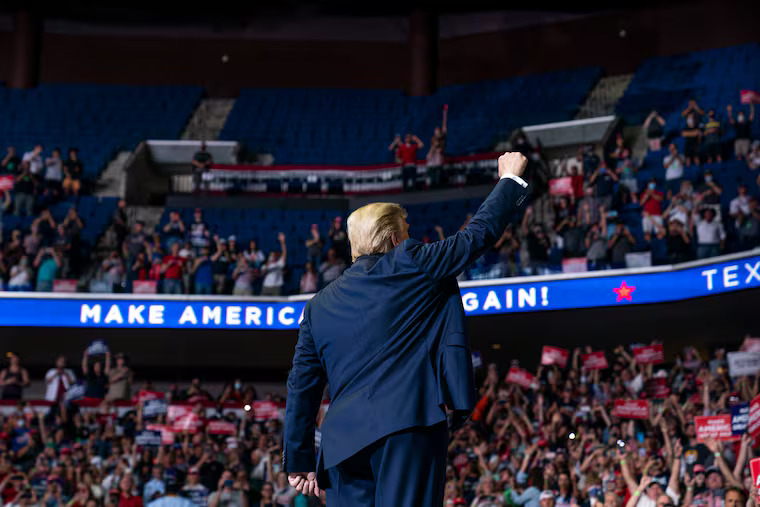
Few political figures in modern history have dominated headlines, television screens, and social media platforms as consistently as Donald Trump. A businessman-turned-politician, Trump reshaped American political discourse, media strategy, and voter engagement in ways that continue to influence U.S. politics today.
From real estate mogul to reality TV star to President of the United States, Trump’s career spans business, entertainment, and government — making him one of the most recognizable public figures globally.
This explores Donald Trump’s background, political rise, presidency, media strategy, controversies, and lasting influence.
Early Life and Business Career
Donald J. Trump was born on June 14, 1946, in Queens, New York City. He graduated from the Wharton School of the University of Pennsylvania with a degree in economics.
He joined his family’s real estate business, later rebranding it as The Trump Organization, expanding into:
- Luxury hotels
- Skyscrapers
- Golf courses
- Casinos
- Branding and licensing deals
Trump built a reputation as a high-profile businessman known for bold marketing and large-scale real estate developments.
Rise in Media and Pop Culture
Trump became a household name in the early 2000s through the reality television show:
- The Apprentice
The show’s success strengthened his image as a decisive business leader. His catchphrase, “You’re fired,” became part of American pop culture.
This media exposure played a crucial role in shaping his public persona before entering politics.
Entry into Politics
Though he had expressed political opinions for years, Trump officially launched his presidential campaign in 2015.
Running as a Republican candidate, he focused on themes such as:
- Immigration reform
- Economic nationalism
- Trade policy changes
- “America First” foreign policy
- Border security
His campaign style was unconventional, relying heavily on:
- Large rallies
- Direct social media communication
- Media controversy
2016 Presidential Election
In 2016, Donald Trump defeated Democratic candidate Hillary Clinton in one of the most closely watched elections in modern U.S. history.
His victory was seen by many analysts as a political upset, reshaping assumptions about voter behavior and campaign strategy.
Presidency (2017–2021)
Trump served as the 45th President of the United States from 2017 to 2021.
Key Policy Areas
1. Tax Reform
- The Tax Cuts and Jobs Act reduced corporate tax rates.
2. Immigration
- Policies included travel restrictions and border wall initiatives.
3. Foreign Policy
- Negotiations with North Korea
- Trade tensions with China
- Renegotiation of NAFTA (replaced with USMCA)
4. Judicial Appointments
- Appointed three U.S. Supreme Court justices.
Media Strategy and Communication Style
One of Trump’s most defining characteristics was his relationship with media.
He frequently used social media platforms to:
- Announce policy positions
- Criticize opponents
- Communicate directly with supporters
This approach bypassed traditional press channels and significantly influenced modern political communication strategies.
Relationship with Social Media
Trump’s use of social media platforms became central to his political identity. His direct, unfiltered posts often shaped news cycles.
Following the events of January 6, 2021, several social media platforms suspended his accounts, sparking debates about free speech, platform regulation, and digital governance.
2020 Election and Aftermath
In the 2020 U.S. presidential election, Trump ran for re-election against Joe Biden.
Biden won the election. The aftermath included legal challenges, investigations, and significant political polarization.
The January 6 Capitol events marked a major moment in modern American political history and led to Trump’s second impeachment by the House of Representatives (he was later acquitted in the Senate).
Media Influence and Political Branding
Trump’s political brand relies heavily on:
- Strong rhetoric
- Loyalty-based messaging
- Populist themes
- High media visibility
Supporters view him as a disruptor challenging political norms. Critics argue his rhetoric deepened political divisions.
Regardless of viewpoint, his influence on political branding is undeniable.
Business After Presidency
Following his presidency, Trump remained active in:
- Political endorsements
- Media appearances
- Business ventures
- Campaign activity
His continued involvement keeps him central to Republican Party discussions and national political debates.
Controversies and Legal Challenges
Throughout his career, Trump has faced multiple controversies and legal disputes related to:
- Business dealings
- Political conduct
- Public statements
Supporters often frame these as politically motivated challenges, while critics argue they reflect accountability issues.
Impact on American Politics
Donald Trump reshaped U.S. political dynamics in several ways:
1. Republican Party Direction
He significantly influenced the party’s platform and voter base.
2. Campaign Strategy
Large-scale rallies and social media engagement became central campaign tools.
3. Media Landscape
Political coverage increasingly focused on personality-driven narratives.
Global Political Influence
Internationally, Trump’s presidency influenced:
- Trade negotiations
- NATO discussions
- U.S.–China relations
- Middle East diplomacy
His leadership style prompted global reactions ranging from support to criticism.
Public Perception
Trump remains one of the most polarizing figures in American history.
Public opinion often divides sharply along political lines. His supporters emphasize economic policies and nationalist priorities, while critics focus on rhetoric and governance style.
FAQs About Donald Trump
What political party does Donald Trump belong to?
He ran as a Republican candidate.
Was Donald Trump a businessman before politics?
Yes, he built his career in real estate and media before entering politics.
Did Donald Trump serve one term?
Yes, from 2017 to 2021.
Is Donald Trump still active in politics?
Yes, he remains active in political discussions and campaigns.
Final Thoughts
Donald Trump’s impact on politics and media is significant and ongoing. His transition from business executive and television personality to President reshaped campaign communication, political branding, and voter engagement strategies.
Whether viewed as a political outsider who disrupted Washington norms or as a deeply polarizing leader, his role in shaping modern American political discourse is undeniable.
As U.S. politics continues evolving, Donald Trump remains a central figure in national and global conversations.








-
Nithya Menen: The Actress Who Lets Her Work Speak
As Indian cinema continues to evolve, artists like Nithya Menen will remain ...


