
7 Things to Stop Buying to Save Money (And Build Long-Term Wealth)
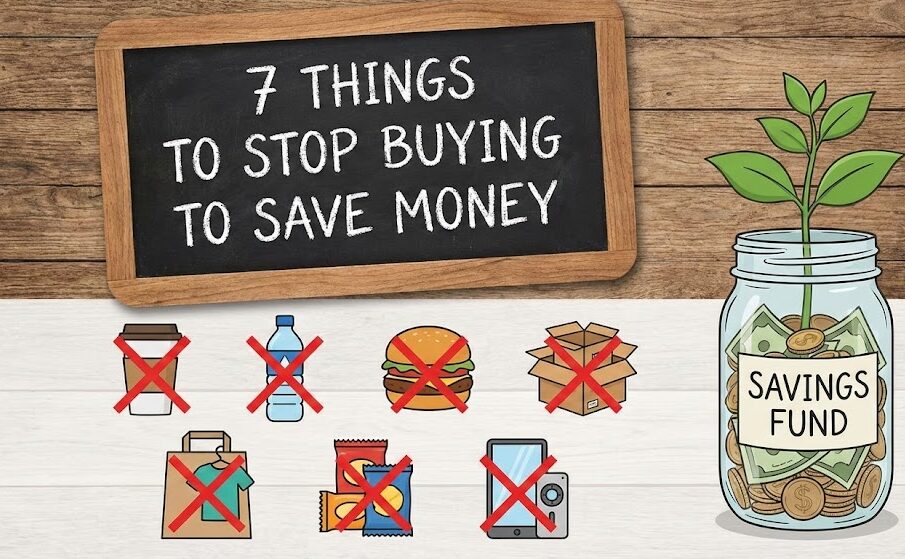
Saving money isn’t about cutting out everything you enjoy. It’s about identifying the small, unnecessary expenses that quietly drain your income every month. Most people struggle financially not because they don’t earn enough — but because they spend without awareness.
If you’re serious about improving your financial future, reducing wasteful spending is the smartest first step. Below are seven common things you should stop buying to save money and create real financial stability.
1. Bottled Water
Buying bottled water regularly may seem harmless. But spending ₹20–₹30 daily quickly turns into ₹600–₹900 per month and over ₹10,000 per year.
Instead:
- Install a reliable water purifier.
- Carry a reusable water bottle.
- Refill before leaving home.
It’s healthier for your wallet and better for the environment.
2. Daily Takeaway Coffee
That quick coffee before work feels small — but it’s not. Spending ₹150–₹250 per day can cost ₹4,000–₹6,000 per month.
Making coffee at home reduces the cost drastically. Even premium coffee powder is far cheaper than café prices.
If you still enjoy café visits, make them occasional treats instead of daily habits.
3. Fast Fashion Clothing
Trendy clothes on discount feel like smart shopping. But cheap, low-quality clothing wears out quickly, forcing you to buy again.
Instead:
- Invest in durable, timeless pieces.
- Avoid impulse buying during sales.
- Build a minimalist wardrobe.
Buying fewer high-quality items saves money long term.
4. Unused Subscriptions
Streaming services, apps, gym memberships, premium software — many people pay for subscriptions they barely use.
Even ₹299–₹999 monthly for multiple subscriptions adds up to thousands per year.
Action step:
- Review bank statements.
- Cancel unused memberships.
- Keep only what you truly use.
Automatic renewals are silent money killers.
5. Expensive Brand Names
Many products cost more simply because of branding. Whether it’s groceries, medicine, electronics, or clothing — the generic version often performs just as well.
Before buying:
- Compare ingredients or specifications.
- Read reviews.
- Avoid paying extra only for the logo.
Smart consumers focus on value, not brand image.
6. Impulse Online Purchases
Online shopping apps make spending effortless. Flash sales, limited-time offers, and discount notifications trigger impulsive buying.
Before purchasing:
- Wait 24 hours.
- Ask yourself if it’s a need or just a want.
- Check your monthly budget first.
Most impulse purchases are forgotten within days — but the money is gone permanently.
7. Processed & Packaged Snacks
Frequent small purchases like chips, soft drinks, and packaged snacks seem cheap — but regular buying increases monthly grocery bills significantly.
Instead:
- Cook simple snacks at home.
- Buy whole ingredients in bulk.
- Reduce unnecessary junk purchases.
You’ll save money and improve your health at the same time.
How Cutting These Expenses Builds Wealth
Saving ₹200–₹300 daily may not feel huge. But over one year, that’s ₹70,000–₹1,00,000.
If invested wisely in:
- Mutual funds
- Fixed deposits
- SIP investments
- Emergency savings
That small discipline creates long-term financial freedom.
Wealth is not built by dramatic changes. It is built by consistent, smart decisions.
Final Thoughts
You don’t need to stop enjoying life to save money. The key is awareness. Identify unnecessary spending, make small adjustments, and redirect that money toward savings or investments.
Financial stability starts with simple habits.








-
Train to Busan (2016): The Ultimate Zombie Thriller That Redefined Korean Cinema
This in-depth, SEO-optimized article explores the plot, cast, themes, symbolism, box office ...