
High-Growth Services & Digital Finance: The Future of Global Economic Expansion

In today’s rapidly evolving global economy, two sectors are driving unprecedented transformation — high-growth services and digital finance. These industries are reshaping how businesses operate, how consumers spend, and how countries compete on the world stage.
From fintech startups and AI-powered banking to digital consulting and cloud-based platforms, the shift toward service-driven and technology-enabled financial ecosystems is accelerating. For investors, entrepreneurs, policymakers, and professionals, understanding this evolution is no longer optional — it’s essential.
This detailed guide explores what high-growth services mean, how digital finance is revolutionizing markets, key global trends, major players, risks, opportunities, and what the future holds.
What Are High-Growth Services?
High-growth services refer to service-based industries expanding at a faster-than-average rate due to innovation, digital adoption, and increasing global demand. These sectors typically rely on technology, intellectual capital, and scalable digital platforms.
Examples include:
- Fintech services
- Cloud computing solutions
- Digital marketing agencies
- SaaS (Software as a Service) platforms
- Online education platforms
- Digital healthcare services
- Cybersecurity firms
Unlike traditional manufacturing, these industries scale rapidly because they rely on digital infrastructure rather than physical assets.
Understanding Digital Finance
Digital finance refers to the integration of technology into financial services. It includes:
- Online banking
- Mobile wallets
- Digital payments
- Cryptocurrency platforms
- Robo-advisors
- Insurtech solutions
- Peer-to-peer lending
Digital finance eliminates the need for physical banking infrastructure and enables faster, more accessible financial services.
The Rise of Fintech Companies
Fintech (financial technology) has disrupted traditional banking models. Companies now provide services such as instant payments, micro-investments, and AI-powered lending decisions.
Global players such as PayPal and Stripe transformed digital payments worldwide.
In India, companies like Paytm accelerated mobile wallet adoption, especially after demonetization.
These companies leverage technology to deliver faster, cheaper, and more inclusive financial services.
Key Drivers of Growth
1. Smartphone Penetration
With billions of smartphone users globally, digital finance apps are accessible to more people than ever.
2. Internet Expansion
Affordable internet access has enabled online banking and digital services in emerging markets.
3. Changing Consumer Behavior
Younger generations prefer instant digital transactions over traditional bank visits.
4. Government Policies
Many governments promote digital payments to improve transparency and reduce cash dependency.
5. Artificial Intelligence and Automation
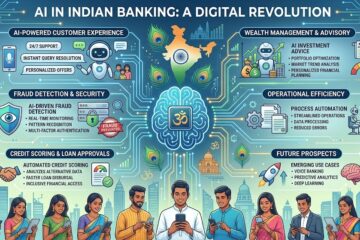
AI improves fraud detection, customer service chatbots, credit scoring, and personalized financial planning.
Digital Payments Revolution
Digital payments are the backbone of digital finance. Contactless payments, QR codes, and mobile wallets have reduced cash transactions significantly.
In countries like India, the Unified Payments Interface (UPI) transformed how people transfer money. In developed markets, contactless cards and NFC payments dominate retail transactions.
This shift improves efficiency, transparency, and financial inclusion.
Blockchain and Cryptocurrency
Blockchain technology introduced decentralized financial systems. Cryptocurrencies such as Bitcoin and Ethereum brought global attention to decentralized finance (DeFi).
While regulatory frameworks vary across countries, blockchain continues to influence banking infrastructure, cross-border payments, and digital identity systems.
However, volatility and regulatory uncertainty remain major challenges.
Digital Lending and Buy Now, Pay Later (BNPL)
Digital lenders use alternative data and AI to assess creditworthiness, making loans accessible to individuals without traditional credit history.
The BNPL model allows customers to split payments over time without traditional credit cards. This service has grown rapidly in e-commerce.
Despite rapid growth, concerns about consumer debt and regulatory compliance continue to shape this sector.
The Role of Artificial Intelligence
AI plays a critical role in:
- Fraud detection
- Risk management
- Automated trading
- Customer personalization
- Credit risk assessment
Robo-advisors now manage investment portfolios using algorithm-driven strategies, making wealth management more accessible.
High-Growth Service Industries Beyond Finance
Digital finance overlaps with other high-growth service sectors:
1. Cloud Computing
Cloud infrastructure supports fintech platforms and digital banking systems.
2. Cybersecurity
As digital finance grows, cybersecurity becomes crucial to prevent data breaches and fraud.
3. Digital Consulting
Companies require advisory services to implement digital transformation strategies.
4. RegTech (Regulatory Technology)
Helps financial institutions comply with complex regulations using automation.
Opportunities for Entrepreneurs
The digital finance ecosystem creates multiple opportunities:
- Building fintech apps
- Developing financial education platforms
- Creating AI-based investment tools
- Offering digital accounting services
- Providing cybersecurity solutions
Low entry barriers compared to traditional banking make fintech attractive for startups.
Challenges and Risks
Despite strong growth, digital finance faces challenges:
- Cybersecurity threats
- Data privacy concerns
- Regulatory uncertainty
- Market volatility
- Digital divide in rural areas
Governments and institutions must balance innovation with consumer protection.
Impact on Employment
High-growth services create demand for:
- Software developers
- Data analysts
- Cybersecurity experts
- Financial advisors
- Digital marketing professionals
While automation may reduce some traditional banking jobs, it also creates new specialized roles.
Financial Inclusion and Emerging Markets
Digital finance has improved financial inclusion by offering banking services to unbanked populations.
Mobile banking apps allow individuals in rural areas to:
- Open accounts
- Transfer money
- Access microloans
- Pay bills
This shift contributes to economic empowerment and entrepreneurship.
The Future of High-Growth Services & Digital Finance
The future will likely include:
- Embedded finance integrated into everyday apps
- AI-driven personalized financial ecosystems
- Central Bank Digital Currencies (CBDCs)
- Expansion of digital identity verification
- Stronger global regulatory frameworks
The integration of finance with technology will continue shaping global economies.
Why This Sector Matters for Investors
Investors are attracted to digital finance and high-growth services because:
- High scalability
- Recurring revenue models
- Rapid user acquisition
- Global market potential
However, careful risk assessment is essential due to regulatory and technological risks.
Conclusion
High-growth services and digital finance represent the next phase of economic evolution. As technology reshapes financial systems and service industries, businesses and consumers benefit from faster, more accessible, and more personalized solutions.
The convergence of AI, blockchain, cloud computing, and mobile technology ensures that this transformation is far from complete. For entrepreneurs, investors, and professionals, understanding these sectors offers significant strategic advantage.
The future economy will not be defined by physical assets alone — it will be driven by digital innovation, scalable services, and intelligent financial ecosystems.


Leave a reply





-
Dhadak 2 (2025): A Love Story That Burns Brighter, Hurts Deeper
Some love stories are soft like a whisper. Dhadak 2 is not ...