
Rang De Basanti: The Film That Redefined Youth, Patriotism and Protest in India
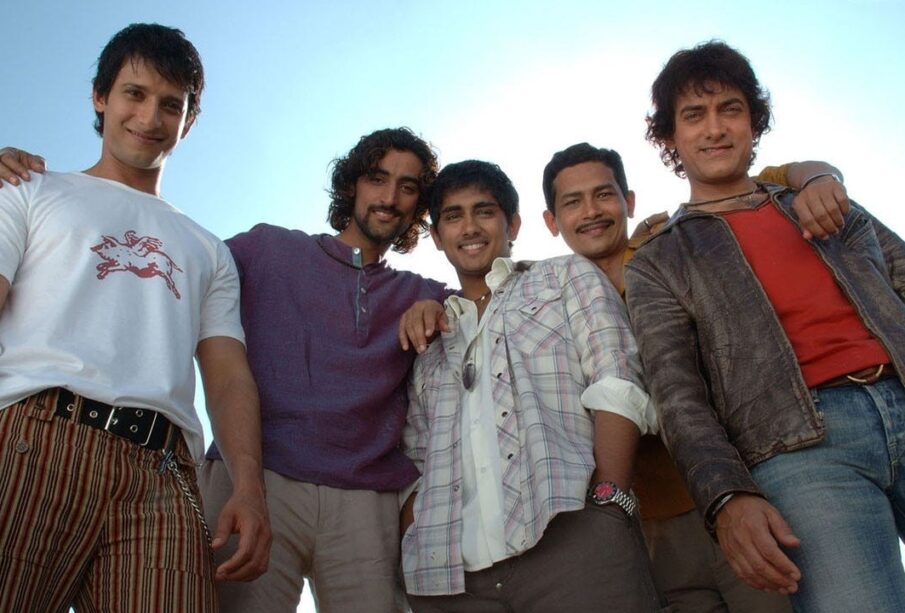
Few films in Indian cinema have managed to shake the conscience of a generation the way Rang De Basanti did. Released in 2006, this powerful drama blended history with modern youth culture, entertainment with emotion, and patriotism with rebellion.
Directed by Rakeysh Omprakash Mehra, and starring Aamir Khan along with a talented ensemble cast, the film became more than just a blockbuster. It became a movement.
Even today, nearly two decades later, Rang De Basanti remains one of the most talked-about films when it comes to youth awakening and political awareness in India.
The Story: Past and Present Collide
Rang De Basanti tells the story of a British filmmaker, Sue, who travels to India to make a documentary on Indian freedom fighters. She casts a group of carefree college students from Delhi University to portray revolutionaries like Bhagat Singh, Chandrashekhar Azad, and Rajguru.
Initially, the students are indifferent and apolitical. For them, life is about fun, friendship, and freedom. But as they begin acting out the lives of revolutionaries, something changes within them.
When a tragic incident involving their close friend shakes their world, they move from passive citizens to active rebels. The line between the past and present begins to blur, and the spirit of the freedom fighters finds new life in modern India.
The Ensemble Cast and Their Impact
The film featured a strong ensemble including:
- Aamir Khan as DJ
- Siddharth as Karan
- Sharman Joshi as Sukhi
- Kunal Kapoor as Aslam
- Atul Kulkarni as Laxman Pandey
- Soha Ali Khan as Sonia
- Alice Patten as Sue
Each character represented a different section of Indian youth — carefree dreamers, politically angry individuals, silent observers, and conflicted patriots.
The transformation of these characters from indifferent students to conscious rebels formed the emotional backbone of the film.
Aamir Khan as DJ: The Reluctant Rebel
Aamir Khan’s portrayal of DJ — a college graduate who refuses to grow up — was one of the film’s highlights. DJ is charming, funny, and detached from serious issues.
But as the story unfolds, his character experiences one of the most powerful transformations in modern Indian cinema. His shift from apathy to activism became symbolic of a generation waking up.
The Revolutionary Parallels
One of the most powerful storytelling techniques used in Rang De Basanti was the parallel editing between past and present.
As the students portrayed revolutionaries like Bhagat Singh, Chandrashekhar Azad, and others, their real lives began to mirror the historical struggle.
The film asked an important question:
If injustice exists today, what would the revolutionaries do?
This blending of timelines gave the movie emotional weight and intellectual depth.
Music That Became a National Emotion
The soundtrack composed by A. R. Rahman played a massive role in the film’s success.
Songs like:
- “Luka Chuppi”
- “Roobaroo”
- “Khoon Chala”
- “Rang De Basanti”
became anthems of youth and patriotism.
Rahman’s music blended folk, rock, and emotional ballads to create a soundtrack that still resonates today.
Themes Explored in the Film
1. Youth Apathy
At the beginning of the film, the characters represent a section of youth disconnected from politics. They mock the system but don’t engage with it.
The film challenges this mindset.
2. Corruption and Accountability
The central conflict revolves around corruption in the defense system and the lack of accountability. It highlighted how political negligence affects ordinary citizens.
3. Patriotism Redefined
Rang De Basanti redefined patriotism. It was not about waving flags or shouting slogans. It was about questioning authority and demanding justice.
4. Sacrifice and Consequences
The film does not glorify violence blindly. Instead, it portrays the emotional and moral cost of rebellion.
Cultural Impact
Rang De Basanti had a real-life impact.
After the release of the film, there were public protests across India demanding justice in certain high-profile cases. Young people gathered at India Gate, inspired by scenes from the film.
The movie sparked conversations about corruption, civic responsibility, and youth participation in politics.
Few films have influenced public sentiment in such a direct way.
Cinematography and Visual Style
The film used warm tones for present-day scenes and sepia shades for historical sequences. This visual distinction enhanced the storytelling and made transitions powerful.
Delhi University’s campus, India Gate, and urban streets became part of the film’s identity.
Why Rang De Basanti Still Matters
Even today, the film feels relevant.
Issues of corruption, political responsibility, and youth engagement remain central to Indian society. The movie’s message about awareness and action continues to resonate.
Its dialogues are still quoted. Its songs are still played on national occasions. Its themes are still debated.
Awards and Recognition
Rang De Basanti received multiple awards and international recognition. It was India’s official entry to the Academy Awards for Best Foreign Language Film.
The film was praised for its bold storytelling, strong performances, and social relevance.
Final Thoughts
Rang De Basanti was not just a film; it was a statement.
It reminded young Indians that history is not just something to read in textbooks. The spirit of revolution is not limited to the past. It lives in every generation.
By blending friendship, tragedy, patriotism, and rebellion, the film created a cinematic experience that continues to inspire.



Leave a reply





-
The Family Man (2019–2023): A Spy Who Just Wants to Go Home
The Family Man is not your typical spy series. It is sharp, ...