
The Godfather (1972): The Crime Epic That Redefined Cinema
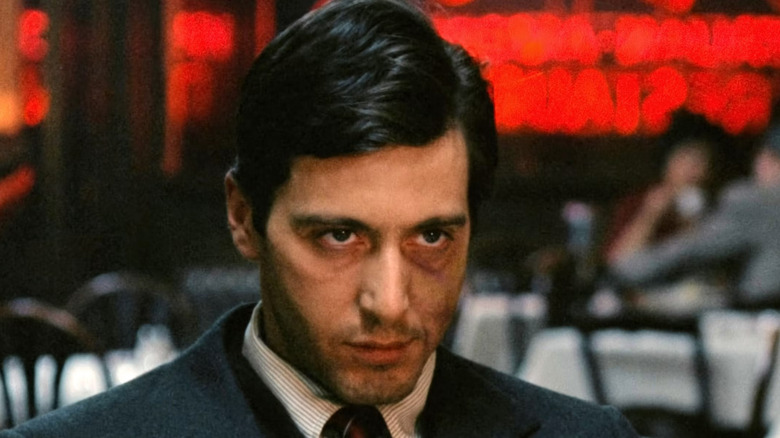
Released in 1972, The Godfather is widely regarded as one of the greatest films ever made. Directed by Francis Ford Coppola and based on the bestselling novel by Mario Puzo, the film transformed the gangster genre into a powerful exploration of family, loyalty, morality, and the corrupting nature of power.
More than five decades later, The Godfather continues to influence filmmakers, actors, and audiences worldwide. Its dialogue, performances, music, and storytelling style remain unmatched. The film did not simply portray organized crime — it humanized it, turning mobsters into complex, layered characters with emotional depth.
Storyline Overview
The Godfather opens in 1945 during the wedding of Connie Corleone, daughter of Don Vito Corleone, the head of one of New York’s most powerful Mafia families. The wedding sequence immediately establishes the film’s tone: a blend of celebration, tradition, and underlying tension.
Don Vito Corleone, played by Marlon Brando, is a respected but feared Mafia leader. He believes in loyalty, honor, and family above all else. When rival crime families propose entering the narcotics business, Vito refuses, seeing drugs as a threat to his political connections and moral code.
This decision sets off a chain of violence. Vito is nearly assassinated, triggering a brutal gang war. His youngest son, Michael Corleone, portrayed by Al Pacino, initially wants nothing to do with the family business. A decorated World War II veteran, Michael seeks a normal life away from crime.
However, circumstances force him to step in. After killing a rival gangster and a corrupt police officer, Michael flees to Sicily. During his exile, he marries a local woman, but tragedy strikes again. Eventually, he returns to America and gradually transforms into a cold, calculating leader.
By the film’s end, Michael becomes the new Godfather, completing one of cinema’s most powerful character transformations. The final scene — where Michael distances his wife Kay from the truth while his men acknowledge him as “Don Corleone” — remains one of the most iconic endings in film history.
Cast and Performances
Marlon Brando as Don Vito Corleone
Marlon Brando delivered one of the most legendary performances in cinema. His portrayal of Vito Corleone — with a raspy voice, controlled gestures, and calm authority — created a character both intimidating and compassionate.
Brando’s performance earned him the Academy Award for Best Actor, although he famously declined the award in protest against Hollywood’s portrayal of Native Americans.
Al Pacino as Michael Corleone
Al Pacino’s performance as Michael is often considered one of the greatest character arcs ever captured on film. At the beginning, he appears soft-spoken and detached from the criminal world. By the end, he becomes colder and more ruthless than his father.
Pacino’s subtle acting — particularly through his eyes and body language — perfectly illustrates Michael’s internal transformation.
Supporting Cast
The film also featured outstanding performances from:
- James Caan as Sonny Corleone
- Robert Duvall as Tom Hagen
- Diane Keaton as Kay Adams
Each character added emotional complexity and depth to the story.
Direction and Cinematic Style
Francis Ford Coppola’s direction was bold and visionary. He avoided glamorizing violence and instead focused on emotional tension and moral dilemmas. The pacing is deliberate, allowing scenes to breathe and characters to develop naturally.
Cinematographer Gordon Willis, often called the “Prince of Darkness,” used shadow-heavy lighting techniques that created a moody, intimate atmosphere. The dark interiors symbolized secrecy, danger, and moral ambiguity.
The film’s score by Nino Rota became instantly recognizable. The haunting theme music perfectly complements the film’s emotional weight.
Themes and Symbolism
Family Above All
At its core, The Godfather is about family. The Corleones prioritize loyalty and blood ties over everything else. Even their criminal operations are framed as “family business.”
Power and Corruption
Michael’s journey illustrates how power can change a person. His gradual loss of innocence shows the emotional cost of leadership within a violent system.
Tradition vs. Change
Vito represents old-world values rooted in Sicilian tradition, while Michael represents a more modern, strategic approach to crime.
Religion and Irony
The baptism scene at the end — where Michael renounces Satan while orchestrating murders — powerfully symbolizes hypocrisy and moral contradiction.
Awards and Box Office Success
The Godfather was both a critical and commercial triumph. It became the highest-grossing film of 1972 and one of the top earners of its time.
At the Academy Awards, it won:
- Best Picture
- Best Actor (Marlon Brando)
- Best Adapted Screenplay
It received multiple additional nominations and established itself as a benchmark for excellence in filmmaking.
Cultural Impact
The Godfather changed how gangster films were made. Before 1972, crime movies often focused heavily on action. This film introduced psychological depth and moral complexity.
Many phrases from the movie entered popular culture, including:
“I’m going to make him an offer he can’t refuse.”
The film influenced countless directors and inspired sequels, television references, and academic discussions.
Even today, film schools analyze its storytelling structure, character arcs, and cinematography techniques.
The Legacy of The Godfather
The film’s success led to two sequels:
- The Godfather Part II
- The Godfather Part III
The second installment is often considered equal to or even greater than the original. Together, the trilogy stands as one of the most respected series in cinematic history.
The Godfather remains a symbol of artistic excellence. Its influence extends beyond Hollywood into global cinema, including European and Asian film industries.
Why The Godfather Still Matters Today
More than 50 years after its release, The Godfather continues to resonate because it explores universal themes — family loyalty, ambition, morality, and sacrifice.
It is not just a crime film; it is a powerful drama about choices and consequences. The emotional realism, unforgettable performances, and masterful direction ensure that it will remain relevant for generations.
For anyone serious about cinema, watching The Godfather is not optional — it is essential.







-
Bath – The Complete Travel Guide to England’s Elegant Roman City
Let’s explore Bath in complete detail — its history, landmarks, culture, food, ...