The Mandalorian: How a Lone Bounty Hunter Revitalized a Galaxy Far, Far Away
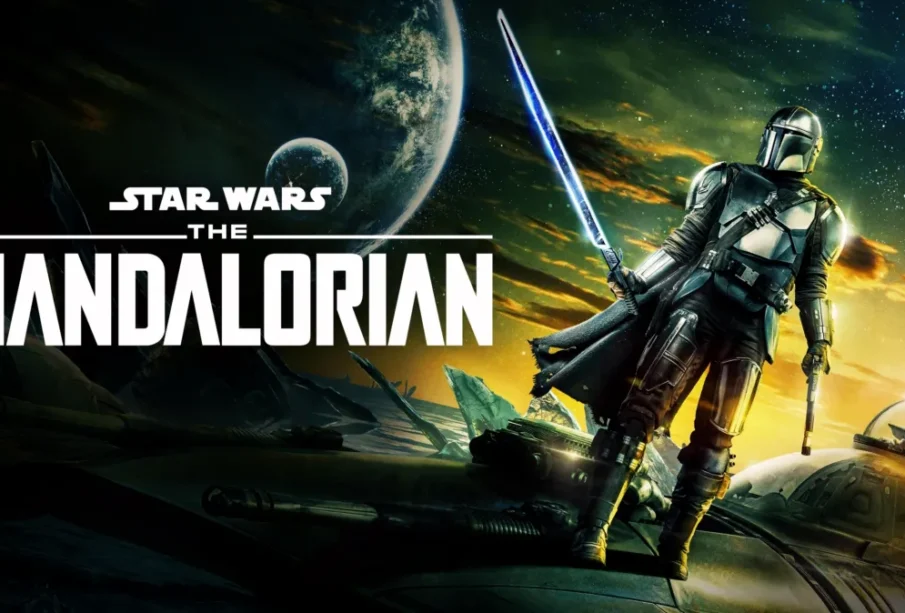
When The Mandalorian premiered in 2019, it carried enormous expectations. Set within the legendary universe of Star Wars, the series marked the franchise’s first live-action television venture. Fans were curious. Critics were cautious. Could a streaming series truly capture the magic that had defined generations?
The answer came swiftly. With cinematic visuals, intimate storytelling, and a breakout character affectionately known as “Baby Yoda,” The Mandalorian became a cultural phenomenon and a cornerstone of Disney+.
But beyond its viral appeal, the show represents something deeper: a return to focused storytelling, character-driven drama, and mythic simplicity.
The Premise: A Warrior and a Child
Set after the fall of the Empire in Return of the Jedi, the series follows Din Djarin, a lone Mandalorian bounty hunter navigating the outer reaches of the galaxy. Bound by a strict warrior code, he accepts dangerous missions in exchange for survival.
His life changes when he is hired to retrieve a mysterious child — a Force-sensitive being belonging to the same species as Yoda. Instead of delivering the child to his client, Din chooses to protect him.
From that moment, the show transforms from a bounty-hunting adventure into a story about fatherhood, identity, and redemption.
Din Djarin: The Man Behind the Helmet
Portrayed by Pedro Pascal, Din Djarin is a rare kind of protagonist. Much of his face remains hidden behind a helmet, yet his emotional journey feels deeply personal.
Din lives by the Mandalorian creed — a strict code emphasizing loyalty, honor, and secrecy. Removing his helmet in front of others is forbidden. This rigid belief system shapes his identity.
But as he bonds with the child (officially named Grogu), those rules begin to bend. His protective instincts slowly outweigh tradition. Through Grogu, Din learns vulnerability — something his warrior upbringing never allowed.
Grogu: A Cultural Icon
Though not introduced with dialogue, Grogu instantly captured global attention. His expressive eyes and small gestures communicate innocence and curiosity.
Beyond cuteness, Grogu serves as the emotional anchor of the series. He represents:
- Hope in a fractured galaxy
- The next generation of Force sensitivity
- The softening influence on a hardened warrior
Merchandise, memes, and fan art quickly flooded the internet. Yet the character’s success isn’t superficial. Grogu embodies the universal theme of protecting something fragile in a dangerous world.
A Western in Space
One of the most striking elements of The Mandalorian is its tone.
The series feels less like a traditional space opera and more like a Western. Wide desert landscapes, quiet standoffs, and morally ambiguous towns echo classic frontier cinema.
Din Djarin resembles a lone gunslinger riding into lawless settlements, solving problems for payment. The storytelling often adopts a mission-of-the-week structure, especially in the early episodes.
This blend of genres gives the series a grounded, intimate feel — a sharp contrast to the epic scale of many Star Wars films.
Expanding the Star Wars Universe
While accessible to newcomers, the show rewards longtime fans with deeper connections.
It explores:
- The aftermath of the Empire’s collapse
- The fractured remnants of Imperial forces
- Mandalorian culture and internal divisions
- The rebuilding of galactic order
Familiar characters and locations occasionally appear, but the series largely focuses on new stories. This balance allows it to stand independently while enriching the broader mythology.
Visual Effects and Production Innovation
Despite being a television series, The Mandalorian maintains cinematic quality.
One major innovation is the use of “The Volume,” a revolutionary LED stage that projects real-time digital environments. Instead of filming against traditional green screens, actors perform within immersive virtual landscapes.
This technique enhances realism and allows dynamic camera movement, giving the show a big-budget film aesthetic.
The production quality signaled a shift in what streaming television could achieve.
Themes of Identity and Belonging
Beneath the action sequences lies a deeply personal narrative.
The Meaning of Creed
Din’s struggle revolves around identity. What defines a Mandalorian — bloodline, belief, or choice? As he encounters other Mandalorians with different interpretations of tradition, his worldview expands.
Found Family
The relationship between Din and Grogu highlights the theme of chosen family. Though not biologically related, their bond becomes unbreakable.
Throughout the series, Din forms alliances with unlikely companions. Trust grows slowly but meaningfully.
Redemption
Several characters seek redemption — from former Imperials attempting reform to warriors reconciling past failures. The galaxy may be chaotic, but growth remains possible.
The Villains: Power and Obsession
The primary antagonist, Moff Gideon, is portrayed by Giancarlo Esposito. Gideon represents calculated authority and strategic patience.
Unlike explosive villains driven purely by rage, Gideon exudes controlled menace. His fascination with Mandalorian culture and the Darksaber weapon introduces layers of political intrigue.
The conflict between Gideon and Din is less about simple good versus evil and more about control over legacy and power.
Music That Defines the Tone
Composer Ludwig Göransson crafted a distinctive score that separates the series from traditional Star Wars orchestration.
Instead of relying heavily on symphonic grandeur, the soundtrack incorporates:
- Western-inspired tones
- Electronic elements
- Minimalist motifs
The theme music, built around a haunting flute melody, captures the solitary nature of Din’s journey.
Music becomes storytelling in itself — amplifying tension and emotion without overwhelming the scene.
Episodic Structure vs. Serialized Narrative
The show’s format blends standalone adventures with overarching arcs.
Early episodes feel episodic, focusing on smaller missions and world-building. Over time, the narrative becomes more serialized, tying character development into larger conflicts.
This structure allows the show to maintain accessibility while gradually building stakes.
Critical and Audience Reception
Upon release, The Mandalorian received widespread acclaim.
Viewers praised:
- Character-driven storytelling
- Strong performances
- Visual ambition
- Emotional depth
Critics noted its ability to restore excitement within the Star Wars franchise after mixed reactions to certain film installments.
The show became a flagship series for Disney+, demonstrating the platform’s potential to deliver premium content.
The Emotional Core: Fatherhood in an Unlikely Form
At its heart, the series is about parenting.
Din begins as a detached warrior with no attachments. Protecting Grogu forces him to confront fear, responsibility, and love.
Moments of quiet connection — shared meals, protective gestures, subtle nods — carry more emotional weight than explosive battles.
The show suggests that strength is not just about combat skill but about compassion.
Cultural Impact
Grogu merchandise sold out globally. Social media buzzed with weekly discussions and theories. The phrase “This is the Way” became widely quoted.
The series proved that weekly episode releases could still create anticipation in the streaming era, reviving communal viewing experiences.
Expanding Storylines and Future Possibilities
As seasons progressed, the show broadened its scope:
- Mandalorian politics
- The legacy of the Darksaber
- The rebuilding of galactic systems
Spin-off series connected to its storyline further expand the universe, positioning The Mandalorian as a central narrative hub within modern Star Wars storytelling.
Why The Mandalorian Works
Several factors contribute to its success:
- Focused storytelling over spectacle.
- A clear emotional anchor in Din and Grogu’s bond.
- Respect for franchise lore without overwhelming newcomers.
- High production quality that rivals cinema.
- A balance between action and quiet character moments.
It captures nostalgia while forging its own identity.
Final Thoughts
The Mandalorian is more than a spin-off. It is a reinvention.
By narrowing the scope to one warrior and one child, the series achieves something grand through intimacy. It reminds audiences that even in a galaxy filled with starships and cosmic battles, the most powerful stories revolve around connection.
Din Djarin’s journey from solitary bounty hunter to devoted protector speaks to universal themes of growth and belonging.
In a franchise known for epic conflicts between empires, The Mandalorian proves that sometimes the smallest bond can carry the greatest weight.
And in that quiet strength, it found a way to win over a new generation of fans — while honoring the legacy that came before.
This is the way.





-
The Fantastic Four: First Steps (July 2025) – Marvel’s Bold New Beginning
For fans who waited patiently through earlier adaptations, this version feels different. ...