
Friends: Why the Beloved Sitcom Still Defines a Generation
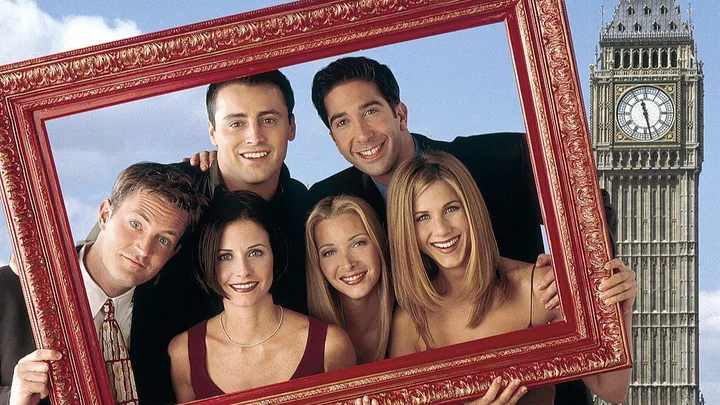
Few television series have achieved the cultural longevity and global affection of Friends. Premiering in 1994 and running for ten seasons, the show followed six young adults navigating work, love, and friendship in New York City. Decades after its finale, it continues to attract new audiences, dominate streaming charts, and shape the blueprint for ensemble comedies.
But what makes Friends timeless? Why does a sitcom rooted in 1990s culture still resonate so strongly today?
Let’s explore the legacy, characters, storytelling, humor, and emotional depth that turned this series into one of television’s greatest success stories.
The Premise: Six Lives Intertwined
At its heart, Friends is simple: six friends in their twenties and thirties sharing life together in Manhattan. The show centers on:
- Rachel Green
- Monica Geller
- Ross Geller
- Chandler Bing
- Joey Tribbiani
- Phoebe Buffay
They spend much of their time at a coffee shop called Central Perk or hanging out in Monica’s apartment. The simplicity of the setting allows the focus to remain on relationships, conversations, and character development.
While many sitcoms rely heavily on situational chaos, Friends thrives on emotional connection and relatable life milestones — career struggles, breakups, marriages, and parenthood.
The Cast Chemistry That Made History
The six main actors — Jennifer Aniston, Courteney Cox, Lisa Kudrow, Matt LeBlanc, Matthew Perry, and David Schwimmer — didn’t just play friends. Their chemistry felt authentic.
From the beginning, the cast negotiated equal pay, a rare move at the time, which strengthened their unity both on and off screen. By the final seasons, each cast member was earning $1 million per episode — a testament to the show’s massive popularity.
What truly set them apart wasn’t just comedic timing but emotional range. They made awkwardness lovable, heartbreak relatable, and friendship aspirational.
The Characters: Distinct Yet Deeply Relatable
Rachel Green: Reinvention and Independence
Rachel begins the series as a runaway bride who has never worked a day in her life. Over time, she evolves into a confident fashion professional. Her journey from dependence to independence remains one of the show’s most compelling arcs.
Her on-again, off-again relationship with Ross became one of television’s most talked-about romances.
Monica Geller: Control and Vulnerability
Monica’s obsessive cleanliness and competitiveness fuel many comedic moments, but beneath that lies insecurity and a deep desire for love and belonging. Her relationship with Chandler offers one of the series’ most stable and heartfelt storylines.
Ross Geller: Romantic Idealist
Ross, the paleontologist with a sensitive side, balances intellect with emotional impulsiveness. His famous phrase, “We were on a break,” became part of pop culture vocabulary.
Chandler Bing: Humor as Defense
Chandler’s sarcasm hides vulnerability and fear of commitment. Over time, his character matures significantly, particularly through his marriage to Monica.
Joey Tribbiani: Loyal and Lovable
Joey may not be the sharpest in the group, but his loyalty and heart make him deeply endearing. His acting career provides both comedic relief and touching moments.
Phoebe Buffay: Quirky Wisdom
Phoebe’s eccentric personality and mysterious backstory bring unpredictability to the group. Her unconventional outlook often delivers surprising emotional insight.
A Show That Redefined Television Comedy
When Friends premiered on NBC, it joined a competitive lineup of sitcoms. Yet it quickly stood out for its ensemble structure.
Unlike many earlier comedies that centered on a single protagonist, Friends distributed focus evenly. Each character experienced growth, failure, and triumph. This balance kept the narrative dynamic for ten seasons.
The show also blended humor with emotional storytelling in a way that felt organic rather than forced.
Iconic Storylines That Shaped Pop Culture
Ross and Rachel’s Relationship
Their romantic tension spanned nearly the entire series. The will-they-won’t-they dynamic kept audiences invested for years.
Moments like their first kiss, their Vegas wedding, and the series finale airport scene became unforgettable milestones in television history.
Monica and Chandler’s Surprise Romance
Initially unexpected, their relationship evolved into one of the show’s emotional anchors. Their journey from secret relationship to marriage and adoption showcased maturity rarely seen in sitcoms.
The Thanksgiving Episodes
Thanksgiving became a recurring theme, with episodes often delivering some of the series’ funniest and most heartfelt moments.
Why Friends Remains So Popular
1. Timeless Themes
Friendship, love, ambition, heartbreak — these experiences are universal. While fashion and technology have changed, the emotional core remains relevant.
2. Comfort Viewing
Many viewers describe Friends as a comfort show. Its familiar rhythm, warm humor, and predictable settings provide emotional security.
3. Strong Writing
The dialogue is sharp, memorable, and character-driven. Jokes feel rooted in personality rather than random punchlines.
4. Streaming Revival
When the show became widely available on streaming platforms, it introduced a new generation to the series. Younger audiences embraced it, extending its cultural lifespan far beyond its original run.
Cultural Impact and Global Influence
Friends influenced fashion, language, and television structure.
- “The Rachel” haircut became a global trend.
- Catchphrases like “How you doin’?” entered everyday speech.
- Ensemble sitcoms that followed adopted similar relationship-driven storytelling.
The series also helped popularize the idea of chosen family — the notion that friends can be just as important as relatives.
Criticism and Evolving Perspectives
Like many shows from the 1990s, Friends has faced modern criticism regarding diversity and representation. The main cast was predominantly white, reflecting limited inclusivity compared to contemporary standards.
However, its impact on storytelling and character-driven comedy remains undeniable.
The Emotional Finale
When the final episode aired in 2004, over 50 million viewers tuned in. The ending focused not on spectacle, but on transition — Monica and Chandler moving to the suburbs, Rachel choosing love, and the group leaving the apartment that had defined their shared life.
The empty apartment scene symbolized the end of an era — both for the characters and for millions of fans.
The Friends Reunion
In 2021, the cast reunited for a special that revisited iconic sets, shared behind-the-scenes stories, and reflected on the show’s impact. The reunion reignited global nostalgia and introduced even more viewers to the series.
It served as a reminder that the magic of Friends lies not just in scripted jokes but in genuine connection.
Lessons from Friends
While primarily comedic, the show subtly conveys meaningful life lessons:
- Careers evolve over time.
- Love is complicated but worth pursuing.
- Growth often comes from discomfort.
- Friendship requires forgiveness and patience.
- Life rarely goes exactly as planned — and that’s okay.
The Business of a Television Phenomenon
The series generated billions in syndication revenue. Its reruns continue to perform strongly worldwide, making it one of the most financially successful television shows ever produced.
Merchandise, streaming rights, and international licensing have ensured that Friends remains both a cultural and commercial powerhouse.
Why It Still Matters Today
In an era of high-budget streaming dramas and rapid content cycles, Friends represents something refreshingly simple: people talking, laughing, and supporting each other.
Its humor doesn’t rely heavily on trends or special effects. It thrives on personality and timing.
For many viewers, it symbolizes a stage of life — early adulthood — filled with uncertainty, ambition, and deep friendship.
Final Thoughts
Friends isn’t just a sitcom; it’s a cultural landmark.
Its enduring appeal lies in authenticity — the sense that these six characters could be people you know, or perhaps even parts of yourself. Over ten seasons, audiences watched them grow, stumble, succeed, and love.
And perhaps that’s why it remains so powerful.
Because while jobs change, cities evolve, and decades pass, the need for connection never disappears.
In the end, Friends reminds us that no matter where life takes us, having people who show up, laugh with you, and sit beside you during the hard moments is what truly matters.








-
Current vs. Savings Accounts: Why Your Business Needs the Switch
If you are serious about your business — whether small, medium, or ...