
House of Cards – Power, Politics, and the Dark Reality of Ambition
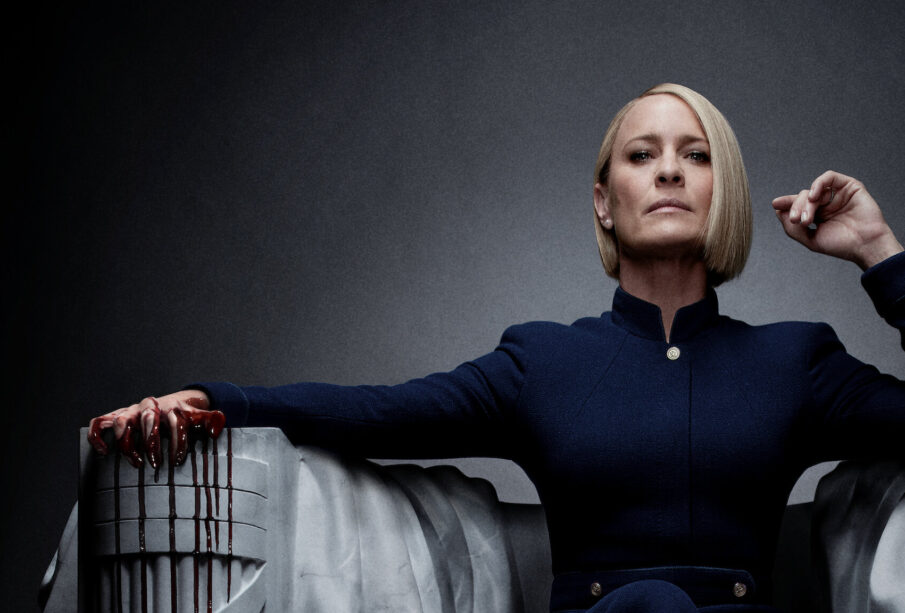
House of Cards is not just a television series — it is a chilling mirror of political power, manipulation, betrayal, and ambition. Created by Beau Willimon and based on the British series of the same name, this American political drama became one of the most influential and talked-about shows of the 21st century.
Released in 2013 on Netflix, House of Cards marked a turning point in digital television. It was one of the first major streaming series that proved audiences were ready for high-quality, complex, and dark political storytelling outside traditional TV networks.
With Kevin Spacey in the lead role as Frank Underwood and Robin Wright as Claire Underwood, the show explores how far people are willing to go in their hunger for power — even if it means destroying careers, relationships, and lives.
The Story at Its Core – A Ruthless Rise to Power
At the center of House of Cards is Frank Underwood, a cunning, intelligent, and completely ruthless politician in Washington, D.C.
At the start of the series, Frank is a powerful Democratic Congressman who expects to be appointed Secretary of State after helping a new president get elected. When the promise is broken, his sense of betrayal turns into a calculated mission for revenge.
Instead of protesting openly, Frank quietly begins plotting his rise to the very top of American politics. Step by step, he manipulates allies, blackmails enemies, and removes obstacles in ways that are shocking, brilliant, and terrifying.
What makes House of Cards so compelling is that Frank is not a typical villain. He is charming, articulate, and deeply strategic — which makes his cruelty even more unsettling.
Frank Underwood – One of Television’s Most Dangerous Antiheroes
Kevin Spacey’s performance as Frank Underwood is nothing short of iconic.
Frank is calm, patient, and always in control. He rarely raises his voice, yet he commands fear and respect. His weapon is not violence alone — it is information, persuasion, and psychological control.
One of the most distinctive elements of the show is Frank’s habit of breaking the fourth wall. He frequently looks directly into the camera and speaks to the audience, sharing his thoughts, secrets, and schemes.
These direct conversations make viewers feel like his accomplices rather than mere spectators. You start to understand his mindset — even if you are horrified by his actions.
Frank does not seek power for public service. He seeks it for domination, legacy, and personal satisfaction. To him, politics is a game — and he intends to win at any cost.
Claire Underwood – The Power Behind the Throne
Robin Wright’s portrayal of Claire Underwood is just as powerful as Spacey’s performance.
Claire is not a passive political wife. She is intelligent, ambitious, and just as ruthless as Frank — sometimes even more so. Their marriage is not built on romance, but on mutual benefit and shared ambition.
Together, Frank and Claire operate like a perfectly synchronized team. They support each other when useful and betray each other when necessary. Their relationship is cold, calculated, and deeply fascinating.
As the series progresses, Claire steps out of Frank’s shadow and becomes a formidable political force in her own right. Her transformation from political partner to political leader is one of the most gripping arcs of the entire show.
A Deep Look at American Politics
House of Cards offers a dark and cynical view of politics. It suggests that behind public speeches and moral promises, real power is often gained through lies, corruption, and manipulation.
The show highlights themes such as:
- Political corruption
- Media influence
- Lobbying and corporate control
- Personal ambition over public good
- Betrayal among allies
- Moral compromise in leadership
While dramatized, many aspects of the series feel disturbingly realistic. Viewers are left questioning how much of real politics mirrors what they see on screen.
Major Characters That Shape the Story
Doug Stamper
Frank’s loyal chief of staff, played by Michael Kelly, is one of the most complex characters in the series. Doug is deeply devoted to Frank, even when it destroys his own life. His loyalty borders on obsession.
Zoe Barnes
A young journalist who becomes both Frank’s tool and victim. Through her, the show explores the relationship between politics and media.
Peter Russo
A troubled Congressman whose downfall becomes one of Frank’s earliest and most shocking manipulations.
Each character represents a different aspect of political life — ambition, vulnerability, greed, or integrity.
Why House of Cards Became a Global Phenomenon
House of Cards changed how people consumed television.
It was one of the first shows released in full seasons at once, allowing viewers to binge-watch rather than wait weekly. This format created intense discussions, theories, and online debates.
The series attracted not only political enthusiasts but also general audiences who enjoy drama, suspense, and psychological storytelling.
Its cinematic production quality, sharp dialogue, and layered characters made it feel more like a long political film than a traditional TV series.
Best Seasons and Standout Moments
Season 1 – The Rise Begins
This season establishes Frank’s hunger for power and sets the tone for the entire series. His journey from Congressman to Vice President is chilling and brilliant.
Season 2 – Consolidation of Power
Frank strengthens his position in the White House while dealing with threats from both allies and enemies.
Season 3 & 4 – The Presidency
Frank becomes President of the United States, showing how absolute power tests even the most strategic minds.
Season 5 – Fractures in Power
Cracks begin to show in Frank and Claire’s partnership, leading to internal conflict.
Season 6 – A New Era
After real-world controversies surrounding Kevin Spacey, the final season shifts focus to Claire Underwood as President — a bold and controversial move.
Themes That Make the Show Timeless
Power Corrupts
House of Cards constantly shows how ambition can destroy morality.
Loyalty vs. Self-Interest
Almost every character must choose between personal gain and loyalty.
Gender and Power
Claire’s rise highlights the challenges women face in male-dominated political systems.
Media and Truth
The show questions whether journalists expose truth or become pawns in political games.
Cinematography and Music
The dark, moody visuals of House of Cards perfectly match its tone. Washington, D.C. is portrayed as both beautiful and sinister — a city of polished speeches hiding dirty secrets.
The haunting background score adds tension and depth, making every political move feel heavier and more dangerous.
Why People Still Talk About House of Cards
Even years after its conclusion, House of Cards remains relevant because:
- It captures the timeless nature of political ambition
- Its characters feel real and deeply flawed
- Its themes reflect ongoing global political issues
- Its storytelling is sharp, intelligent, and gripping
Many viewers return to the series to better understand power dynamics in modern politics.
Is House of Cards Worth Watching Today?
Absolutely — especially if you enjoy:
- Political dramas
- Complex characters
- Psychological tension
- Slow-burn storytelling
- Strategic mind games
However, it is not a light or feel-good show. It is dark, intense, and often morally disturbing — but incredibly compelling.
Final Thoughts – A Masterpiece of Political Drama
House of Cards is more than a TV show. It is a study of power, ambition, and human nature.
It forces viewers to confront uncomfortable truths about leadership, corruption, and personal morality. At the same time, it keeps you hooked with brilliant performances and unpredictable twists.
If you want to understand how power really works — or at least how fiction imagines it — House of Cards is essential viewing.
And once you start watching, you may find yourself asking:
Would I act like Frank Underwood if I had the chance?
That question is what makes the series unforgettable.








-
Greenland 2: Migration (2026) – A Gritty Post-Apocalyptic Survival Thriller
Instead of explosive destruction, the story dives into the harsh reality of ...