
Kumkum – Ek Pyara Sa Bandhan: The Family Drama That Ruled Indian Television for Seven Years
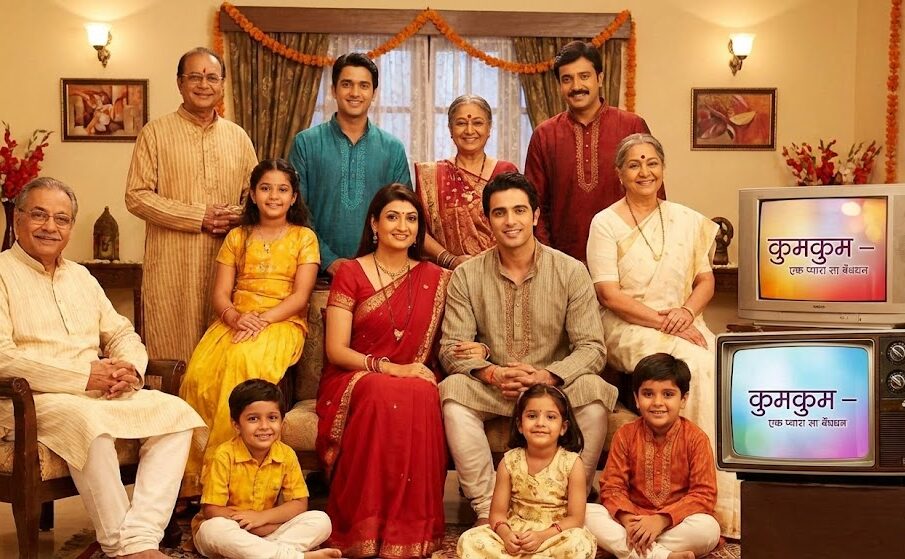
In the golden era of Indian television, when family dramas dominated prime-time viewing, Kumkum – Ek Pyara Sa Bandhan emerged as one of the most beloved and emotionally powerful serials on Star Plus. Premiering in 2002 and running successfully until 2009, the show became a daily habit in millions of Indian homes.
More than just a TV serial, Kumkum represented love, sacrifice, tradition, resilience, and the strength of relationships within a joint family. It built an emotional bridge between characters and viewers, making the Wadhwa family feel like part of every household.
Overview of Kumkum TV Show
- Genre: Family Drama
- Channel: Star Plus
- Original Release: 2002
- Final Episode: 2009
- Total Episodes: 1400+
- Production House: BAG Films
At a time when daily soaps were becoming central to Indian entertainment culture, Kumkum carved out its own identity with emotional storytelling and strong character development.
The Storyline: A Tale of Destiny, Love, and Commitment
The heart of Kumkum lies in its central character — a simple, compassionate, and strong-willed woman named Kumkum.
Due to unexpected circumstances, Kumkum marries into the respected Wadhwa family. What begins as a relationship formed under emotional pressure gradually evolves into a deep bond of trust and love with Sumit Wadhwa.
Their journey is far from smooth. The show presents multiple twists — misunderstandings, separations, emotional turmoil, family conflicts, and dramatic reunions. Yet through every challenge, Kumkum remains the emotional anchor of the family.
The serial beautifully portrayed:
- The importance of trust in marriage
- Sacrifice within relationships
- Joint family values
- Cultural traditions and festivals
- Emotional maturity in crisis situations
Unlike many dramatic serials, Kumkum balanced realism with emotion, making it relatable to viewers of all age groups.
The Iconic Love Story of Kumkum and Sumit
One of the strongest pillars of the show was the romantic chemistry between Kumkum and Sumit. Their love story wasn’t built on instant attraction but on gradual understanding and mutual respect.
Over time, their relationship evolved into one of the most loved on-screen couples in Indian television history.
Their journey included:
- Emotional misunderstandings
- Dramatic separations
- Rebuilding trust
- Parenthood struggles
- Family responsibilities
Audiences deeply connected with their bond because it reflected real-life marital relationships — imperfect yet strong.
Lead Cast and Memorable Performances
Juhi Parmar as Kumkum Wadhwa
Juhi Parmar’s portrayal of Kumkum became iconic. She brought grace, strength, vulnerability, and emotional depth to the character. Her performance made Kumkum one of the most respected female leads in Indian television.
She managed to portray:
- A devoted wife
- A responsible daughter-in-law
- A loving mother
- A resilient woman facing adversity
Her acting won widespread appreciation and awards.
Hussain Kuwajerwala as Sumit Wadhwa
Hussain Kuwajerwala’s portrayal of Sumit added charm and emotional stability to the show. His performance balanced romantic softness with family responsibility.
His on-screen chemistry with Juhi Parmar became legendary among fans of early 2000s television.
Together, they formed one of the most memorable television couples of that decade.
Supporting Cast and Family Dynamics
The Wadhwa family played a central role in shaping the narrative. Each character contributed emotional layers to the story — from elders guiding traditions to younger members navigating modern values.
The joint family structure gave the show depth, making it relatable to Indian audiences where family unity remains culturally important.
Themes That Made Kumkum a Household Favorite
1. Strong Female Representation
Kumkum was portrayed as emotionally sensitive yet mentally strong. She handled conflicts with dignity rather than aggression, showing inner strength rather than loud dominance.
2. Joint Family Values
The show celebrated Indian traditions — from festivals to rituals — reinforcing cultural roots while addressing modern challenges.
3. Emotional Storytelling
Rather than focusing only on dramatic twists, Kumkum emphasized emotional conversations, family bonding, and moral dilemmas.
4. Marriage Beyond Romance
The serial highlighted that marriage is built on patience, understanding, and forgiveness — not just attraction.
Memorable Twists and Dramatic Arcs
Over its seven-year run, Kumkum introduced several major plot developments:
- Temporary separations
- Identity misunderstandings
- Generational shifts
- Children growing up and facing their own challenges
- Emotional reunions
These twists maintained viewer engagement without losing the emotional core of the story.
The Popularity and TRP Success
During its peak years, Kumkum consistently performed well in television ratings. Star Plus was dominating prime-time television, and Kumkum played a key role in maintaining audience loyalty.
The show developed a massive fan base, especially among homemakers and family audiences who valued emotional storytelling.
Its long run of 1400+ episodes reflects its strong connection with viewers.
Awards and Recognition
The show and its lead actors received recognition across multiple television award platforms. Juhi Parmar’s performance was particularly praised for consistency and emotional authenticity.
The show cemented her position as one of Indian television’s leading actresses.
Cultural Impact of Kumkum
Kumkum contributed significantly to shaping early 2000s Hindi television culture. It reinforced:
- Respect for family elders
- Emotional resilience
- Strong moral values
- The idea that love grows with time
At a time when daily soaps were increasingly dramatic, Kumkum managed to stay grounded while still being entertaining.
Nostalgia and Legacy
Even years after its final episode aired in 2009, Kumkum remains memorable for fans. Clips from the show still circulate on digital platforms, and its title track continues to evoke nostalgia.
For many viewers, the show represents:
- Childhood evenings
- Family television time
- Emotional comfort
It stands as a reminder of a simpler era of Indian television storytelling.
Where to Watch Kumkum Today
Episodes are available through selected streaming archives associated with Star network content. Fans continue to revisit the series for nostalgic viewing.
Why Kumkum Still Matters Today
In today’s fast-paced entertainment environment filled with web series and short-format content, Kumkum represents the power of slow storytelling and emotional depth.
It reminds audiences that:
- Strong characters create long-lasting impact
- Emotional authenticity builds loyalty
- Family-centered stories never go out of style
The show’s legacy continues to influence family drama formats even today.
Final Thoughts
Kumkum – Ek Pyara Sa Bandhan was not just a television serial — it was a cultural experience for millions of viewers. With its emotional narrative, powerful performances, and strong family values, it earned a permanent place in Indian television history.
The journey of Kumkum and Sumit still resonates with fans who believe in love built on trust, sacrifice, and resilience.
For anyone exploring classic Indian TV shows or revisiting the golden era of Star Plus, Kumkum remains a timeless choice — a story that continues to live in memories long after the screen fades to black.








-
JEREMY RENNER — The Quiet Warrior of Hollywood
Jeremy Lee Renner was born on January 7, 1971, in Modesto, California. ...