Kyunki Saas Bhi Kabhi Bahu Thi: The Iconic Indian Television Saga That Defined a Generation
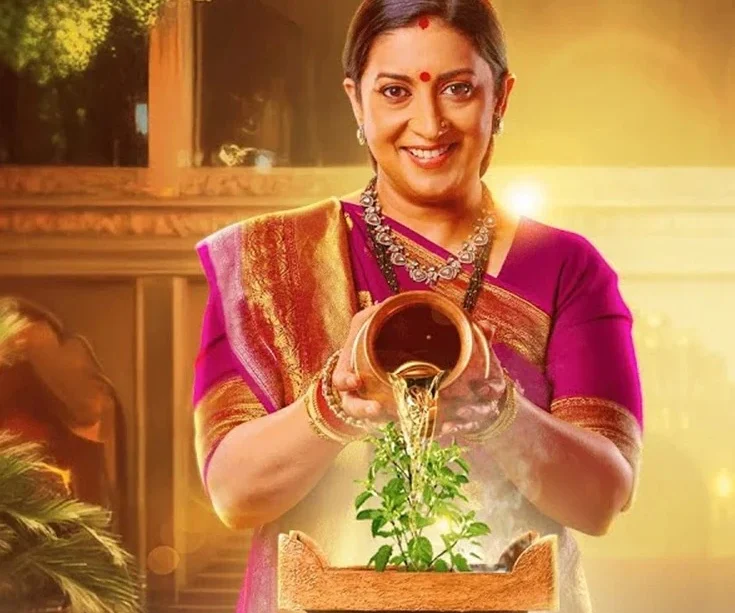
At the turn of the millennium, Indian television witnessed a revolution. Family dramas were evolving, satellite channels were expanding, and prime-time entertainment was becoming a shared ritual in households across the country. In this transformative era, Kyunki Saas Bhi Kabhi Bahu Thi emerged as a cultural force that reshaped Indian TV forever.
Premiering in 2000 on Star Plus, the show quickly rose from being just another daily soap to becoming the most talked-about and widely watched serial of its time. For nearly eight years, it dominated ratings, sparked nationwide conversations, and turned its characters into household names.
More than a television show, it became an emotional companion for millions of families.
The Beginning of a Television Phenomenon
Created by Ekta Kapoor under the banner of Balaji Telefilms, the show was designed around the dynamics of a powerful joint family. It blended tradition, emotion, drama, and morality into a compelling narrative that resonated deeply with Indian audiences.
Key Details
- Channel: Star Plus
- Original Run: 2000–2008
- Total Episodes: 1800+
- Genre: Family Drama
At a time when daily soaps were gaining momentum, this show set new standards for storytelling, scale, and audience engagement.
The Core Story: Tulsi and the Virani Empire
At the heart of the serial was Tulsi Virani — a devoted daughter-in-law who married into the affluent and influential Virani family.
Portrayed by Smriti Irani, Tulsi became one of the most iconic characters in Indian television history. Her journey was not merely about adjusting to a new family; it was about protecting values, confronting injustice, and holding the family together through crises.
Her husband Mihir Virani, played by Amar Upadhyay, was her emotional partner and pillar of strength. Their relationship formed the romantic backbone of the show.
The Virani household, known as Shantiniketan, became symbolic of traditional Indian joint families — filled with love, power struggles, generational differences, and emotional complexity.
Why the Show Connected So Deeply with Audiences
1. Celebration of Joint Family Culture
The show centered around a multi-generational family living under one roof. It portrayed the beauty and challenges of shared responsibilities, respect for elders, and collective decision-making.
For many viewers, it mirrored their own family structures.
2. Strong Moral Foundation
Tulsi’s character consistently stood for justice and righteousness. Even when it meant going against family members, she upheld truth and ethical values.
This moral clarity gave the audience someone to admire and emotionally invest in.
3. Emotional Intensity
The show mastered the art of dramatic pauses, powerful background music, and emotionally charged confrontations. Each episode left viewers eager for the next.
It wasn’t just about what happened — it was about how deeply it made viewers feel.
The Mihir Twist: A Historic TV Moment
One of the most unforgettable chapters in Indian television history was Mihir’s on-screen death.
When the character was written off, public reaction was overwhelming. Viewers were emotionally devastated, and ratings reflected the impact. Due to massive audience demand, Mihir was eventually brought back — a rare and historic decision at the time.
This moment proved how deeply audiences were attached to the show’s characters.
Evolution Through Generations
Over its eight-year run, the show introduced generational leaps. Children grew up, new characters entered, and fresh conflicts emerged.
Despite changing storylines, Tulsi remained the emotional anchor. Her character evolved from a young bride into a matriarch, symbolizing strength across generations.
This evolution allowed the serial to maintain relevance over a long period.
Supporting Characters That Shaped the Drama
The show featured a wide ensemble cast. Each character added depth to the narrative:
- Ambitious family members driven by power
- Protective elders safeguarding tradition
- Younger generation questioning old beliefs
- Villains whose schemes intensified drama
These layered personalities ensured the story never felt one-dimensional.
TRP Dominance and Record-Breaking Popularity
During its peak years, Kyunki Saas Bhi Kabhi Bahu Thi consistently topped television rating charts.
Reports from that era often mentioned how streets would quiet down during its broadcast time. Families arranged dinner schedules around the show. It became a national viewing habit.
Its dominance helped establish Star Plus as a leading entertainment channel.
Cultural Influence Beyond Television
The impact of the show extended far beyond screens.
Fashion Trends
Tulsi’s sarees, traditional jewelry, and bindis became widely popular. Many women replicated her style.
Naming Trends
The name “Tulsi” saw a noticeable rise in popularity during the show’s peak.
Ritual Representation
Wedding ceremonies, festivals, and family rituals were portrayed with grandeur, influencing how such events were visualized on television thereafter.
Ekta Kapoor’s Rise to Power
The massive success of the show cemented Ekta Kapoor as a dominant creative force in Indian television.
She pioneered a wave of daily soaps with strong female leads and joint family narratives, creating a signature storytelling style that defined the early 2000s.
Awards and Recognition
The serial received numerous awards across television award platforms. Smriti Irani’s performance was especially praised for emotional intensity and consistency.
The show became synonymous with excellence in daily soap production.
Criticism and Changing Times
Like any long-running show, it faced criticism in later years for repetitive plot twists and heightened drama. However, even critics acknowledged its unmatched influence during its prime.
As Indian audiences gradually shifted toward faster storytelling formats and reality shows, daily soaps began to evolve.
Still, the legacy of Kyunki Saas Bhi Kabhi Bahu Thi remained untouched.
End of an Era
The show concluded in 2008, marking the end of a significant chapter in Indian television history.
Its finale symbolized closure not just for the characters, but for an era when families gathered daily to watch one shared story.
Why the Show Still Matters Today
In today’s OTT-driven entertainment world, storytelling formats have changed dramatically. Yet the emotional impact of this show continues to resonate.
It demonstrated that:
- Strong female characters drive engagement.
- Family-centric narratives hold universal appeal.
- Emotional authenticity builds long-term loyalty.
Even years after its conclusion, it is often referenced as the gold standard of Indian daily soaps.
Nostalgia and Lasting Legacy
For those who grew up in the early 2000s, Kyunki Saas Bhi Kabhi Bahu Thi represents:
- Shared family evenings
- Emotional discussions after episodes
- Anticipation for the next dramatic twist
- A time when television storytelling felt grand yet intimate
Its influence continues to shape Indian television writing and production styles.
Final Reflection
Kyunki Saas Bhi Kabhi Bahu Thi was not merely a serial — it was a cultural milestone. Through Tulsi’s journey, audiences experienced love, betrayal, sacrifice, and resilience.
The show redefined prime-time television, created unforgettable characters, and left behind a legacy that still echoes in Indian entertainment.
Few television dramas have managed to combine emotional storytelling, cultural depth, and mass appeal at such scale. That is why, even today, its name evokes instant recognition and nostalgia.
It remains one of the most influential and iconic television sagas ever produced in India.








-
The Sopranos: The Crime Drama That Changed Television Forever
More than a crime show, The Sopranos is a psychological study, a ...