Malgudi Days: A Timeless Journey into Simple Life and Human Emotions
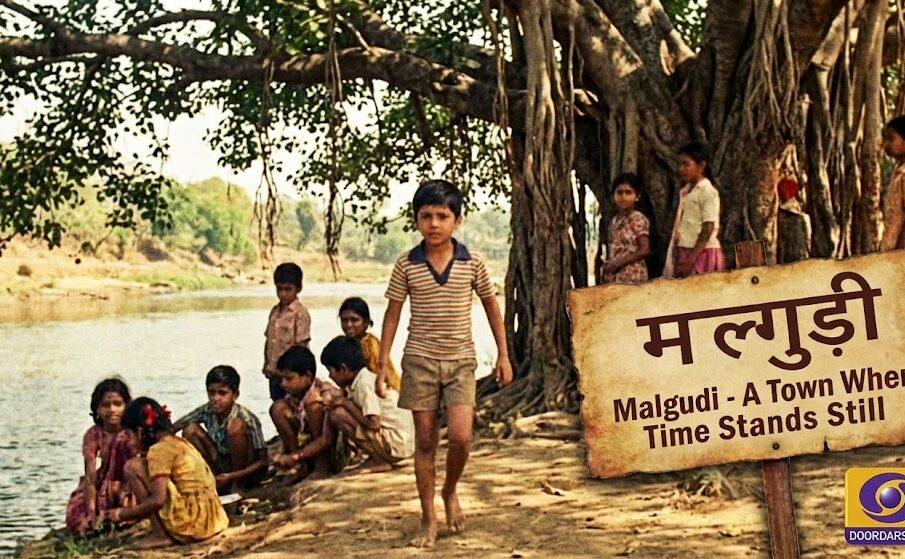
Malgudi Days is not just a television show — it is a warm memory, a nostalgic feeling, and a gentle window into India’s small-town life. Created by legendary filmmaker Shankar Nag and based on the writings of R.K. Narayan, this classic series first aired in 1987 and continues to be loved even decades later.
Unlike modern fast-paced dramas, Malgudi Days moved slowly, spoke softly, and touched hearts deeply. It did not rely on glamour, melodrama, or exaggerated twists. Instead, it celebrated ordinary people, everyday struggles, and quiet moments of life.
For many viewers, watching Malgudi Days feels like sitting on a verandah in the evening, sipping tea, and listening to heartfelt stories from a wise elder.
The World of Malgudi — More Than Just a Town
Malgudi is a fictional town created by R.K. Narayan, yet it feels real. It represents thousands of small towns across India — peaceful, traditional, and full of human warmth.
The streets are simple, the houses modest, and the people familiar. There are schoolchildren running with books, shopkeepers opening their shutters in the morning, temple bells ringing, and neighbors chatting casually.
What makes Malgudi special is that it is not about grand events. It is about everyday life — joys, disappointments, dreams, mistakes, and small victories.
Each episode introduces new characters, but the spirit of Malgudi remains constant — compassionate, gentle, and deeply human.
Shankar Nag — The Heart Behind the Magic
Shankar Nag, who directed and presented the series, deserves immense credit for bringing Malgudi to life on screen.
He did not treat the show like mere television entertainment. He treated it like visual literature. Every frame felt carefully crafted, every scene emotionally sincere.
His storytelling style was calm and respectful. He allowed silence, pauses, and expressions to speak instead of loud background music or dramatic camera movements.
His narration guided viewers softly, like a wise storyteller sitting beside them.
Sadly, Shankar Nag passed away at a young age, but his work in Malgudi Days remains one of the greatest gifts to Indian television.
Based on R.K. Narayan’s Timeless Stories
The foundation of Malgudi Days lies in the brilliant writing of R.K. Narayan, one of India’s most celebrated authors.
His stories are simple yet profound. They do not shout lessons — they gently reveal them.
Characters are flawed, relatable, and deeply human. No one is entirely good or bad; everyone is shaped by circumstances, emotions, and choices.
Through Malgudi, Narayan explored themes like:
- childhood innocence
- friendship and betrayal
- poverty and dignity
- faith and superstition
- ambition and disappointment
- family and responsibility
Each episode felt like a short story come alive.
Swami and Friends — Childhood at Its Purest
One of the most beloved segments of Malgudi Days is based on Swami and Friends.
Swami is an ordinary schoolboy — mischievous, sensitive, curious, and emotional. He fights with friends, fears exams, loves cricket, and dreams big.
Through Swami, viewers are reminded of their own childhood — when life was simpler, problems felt huge, and friendships meant everything.
His relationship with his father, mother, and teachers reflects the traditional Indian family and school environment of that era.
Watching Swami is like revisiting your own younger self.
Characters That Felt Real, Not Perfect
What makes Malgudi Days unforgettable is its characters.
There is no hero with superpowers, no glamorous heroine, no dramatic villains. Instead, there are ordinary people like:
- a poor villager struggling to survive
- a devoted teacher shaping young minds
- a lonely widow seeking companionship
- a shopkeeper trying to keep his business alive
- a curious child dreaming of adventure
Each character carries emotional depth and personal struggle. Viewers see their hopes, fears, and weaknesses.
This realism is what makes the series so emotionally powerful.
Storytelling Without Noise
Modern television often depends on fast editing, loud music, and shocking twists. Malgudi Days was the complete opposite.
The storytelling was slow, peaceful, and thoughtful. Scenes were allowed to breathe. Long shots of streets, trees, rivers, and sunsets created a meditative mood.
Background music was minimal, but deeply effective. Even today, the theme music of Malgudi Days instantly brings a wave of nostalgia.
The narration by Shankar Nag felt like a gentle conversation rather than a formal lecture.
Themes That Still Matter Today
Even though the show was made decades ago, its themes remain highly relevant.
1. Simplicity Over Materialism
Malgudi Days reminds viewers that happiness does not come from wealth or luxury. It comes from relationships, kindness, and inner peace.
Many characters are poor, yet emotionally rich.
2. Respect for Tradition and Culture
The series beautifully portrayed Indian customs, festivals, and values without exaggeration or mockery.
Temples, schools, markets, and family rituals were shown with authenticity and respect.
3. Compassion and Humanity
One of the strongest messages of the show is empathy.
Characters often make mistakes, but the stories encourage understanding rather than harsh judgment.
Even antagonists are shown with human emotions.
Visual Beauty of Rural and Small-Town India
The locations used in Malgudi Days captured the charm of South Indian towns — narrow lanes, tiled roofs, banyan trees, riverbanks, and open fields.
Cinematography was natural and poetic. There was no artificial glamour, only raw beauty.
Watching the show feels like traveling through a simpler, slower India.
Why New Generations Should Watch It
In today’s world of fast social media, flashy shows, and digital distractions, Malgudi Days offers something rare — calmness.
It teaches patience, empathy, and appreciation for small joys.
Young viewers may initially find it slow, but those who give it time often end up deeply moved.
It is not just entertainment — it is emotional education.
Impact on Indian Television
Malgudi Days set a benchmark for quality storytelling on Indian television.
It proved that meaningful, literary content could be successful without cheap drama.
Many filmmakers and writers still consider it one of the finest TV series ever made in India.
Unforgettable Episodes
Some episodes have stayed in public memory for years, including:
- Swami and Friends
- The Vendor of Sweets
- An Astrologer’s Day
- The Missing Mail
- The Snake Charmer
Each story stands alone yet belongs to the larger soul of Malgudi.
Music That Brings Nostalgia
Even today, the theme music of Malgudi Days immediately transports listeners back to childhood.
It is soft, emotional, and deeply comforting — like an old lullaby.
A Show That Ages Beautifully
Unlike many shows that feel outdated over time, Malgudi Days has aged gracefully.
Because it focuses on universal human emotions rather than trends, it still feels fresh and meaningful.
Final Thoughts
Malgudi Days is not just a television series — it is a cultural treasure.
It reminds us of a gentler world where people spoke kindly, life moved slowly, and stories touched the soul.
Watching it feels like visiting an old friend who understands you without words.
In a world that often feels rushed and noisy, Malgudi offers peace, warmth, and emotional connection.
For anyone who loves meaningful storytelling, this series remains truly priceless.







-
Malgudi Days: A Timeless Journey into Simple Life and Human Emotions
Unlike modern fast-paced dramas, Malgudi Days moved slowly, spoke softly, and touched ...