
Meray Paas Tum Ho (2019): A Story of Love, Loyalty, and Social Reality
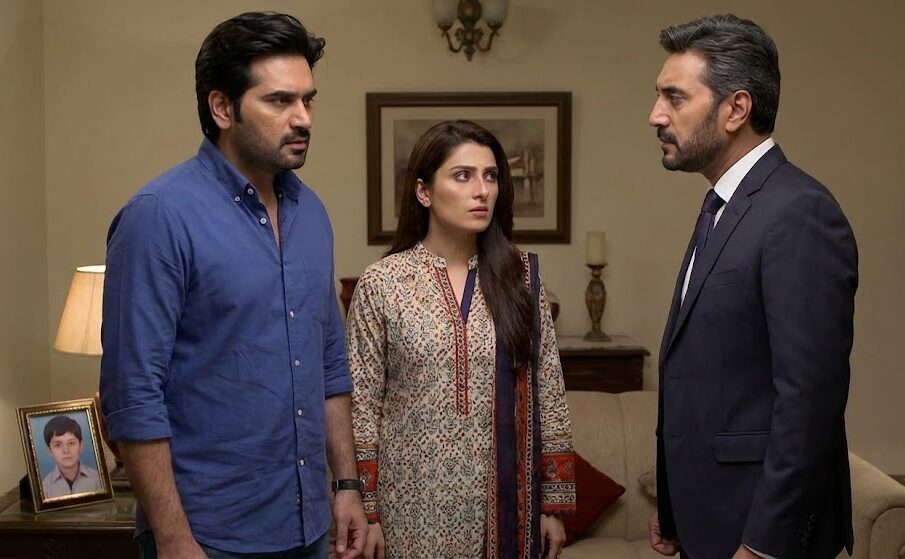
Pakistani television has produced many powerful dramas, but few have left an impact as deep as Meray Paas Tum Ho. Released in 2019, this show quickly became one of the most talked-about dramas in South Asia. It was not just a television serial — it turned into a social debate, a cultural moment, and a mirror reflecting relationships, marriage, money, and respect in modern society.
Written by Khalil-ur-Rehman Qamar and directed by Nadeem Baig, the drama brought together stellar performances, emotional storytelling, and thought-provoking themes. Starring Humayun Saeed, Ayeza Khan, and Adnan Siddiqui in lead roles, the show connected deeply with audiences across Pakistan, India, and the global Urdu-speaking community.
The Core Story: More Than Just a Love Triangle
At its heart, Meray Paas Tum Ho tells the story of Danish (played by Humayun Saeed), Mehwish (Ayeza Khan), and Shehwar (Adnan Siddiqui). On the surface, it looks like a simple love triangle, but the emotions run much deeper.
Danish is a middle-class man who loves his wife Mehwish more than anything in the world. He is honest, hardworking, and emotionally devoted to his family. For him, love is not about money — it is about trust, companionship, and respect.
Mehwish, on the other hand, is beautiful, ambitious, and dissatisfied with her modest lifestyle. She feels trapped in financial limitations and dreams of a more luxurious life. When she meets Shehwar, a wealthy businessman, her perspective slowly begins to change.
Shehwar is charming, rich, and lonely. He appreciates Mehwish’s beauty and personality, and over time, their relationship grows beyond simple friendship. What begins as admiration slowly turns into emotional dependency.
This sets the stage for conflict, betrayal, heartbreak, and moral questioning. The drama does not rush into betrayal — it carefully builds each character’s emotions, making the audience understand their motivations, even if they do not agree with their choices.
Danish: A Man of Dignity and Pain
Humayun Saeed’s portrayal of Danish is one of the strongest performances of his career. Danish is not portrayed as a weak or helpless man. Instead, he is shown as deeply emotional, dignified, and principled.
He loves Mehwish unconditionally, but he also believes in self-respect. His character represents the struggles of many middle-class men who work hard but still feel powerless in a society that values wealth over loyalty.
As the story progresses, Danish evolves from a loving husband into a man fighting for his dignity. His emotional breakdowns, silent pain, and inner strength make his journey heartbreaking yet inspiring.
Mehwish: Ambition, Confusion, and Consequences
Ayeza Khan delivers a layered performance as Mehwish. She is neither a pure villain nor an innocent victim. She is a flawed human being shaped by societal pressure, personal insecurity, and material desire.
At first, Mehwish appears loving and caring, but over time, her dissatisfaction grows. She starts comparing her life with others and feels that she deserves more comfort and luxury.
Her emotional distance from Danish is not sudden — it develops gradually. This makes her decision more realistic rather than dramatic for shock value.
However, when she chooses wealth over loyalty, the drama raises important questions:
Is love enough in marriage?
Does financial struggle justify emotional betrayal?
Can material comfort replace true companionship?
Mehwish’s journey becomes a cautionary tale rather than a simple character arc.
Shehwar: Power, Loneliness, and Moral Conflict
Adnan Siddiqui’s character Shehwar is complex. He is successful, rich, and influential, yet emotionally empty.
Despite having everything money can buy, he lacks genuine companionship. His attraction to Mehwish is not purely physical — he admires her spirit and presence.
However, his role in breaking a marriage places him in a morally questionable position. The drama carefully shows how power and loneliness can lead to selfish decisions, even from seemingly respectable individuals.
Themes That Made the Drama Iconic
1. Love vs Money
One of the strongest messages of the drama is the clash between emotional love and financial security. The show suggests that love alone cannot solve every problem, but money alone cannot bring happiness either.
Danish represents emotional richness, while Shehwar represents material richness. Mehwish stands in between, torn between both worlds.
2. Marriage and Loyalty
The drama highlights how fragile marriages can be when trust breaks. It shows that love needs patience, communication, and mutual respect.
Betrayal is not just about physical cheating — emotional distance can be just as damaging.
3. Social Class and Reality
Meray Paas Tum Ho reflects real social struggles in Pakistani society. Many couples face financial pressure, lifestyle comparisons, and societal expectations.
The show makes viewers reflect on their own relationships and priorities.
Dialogues That Became Legendary
Khalil-ur-Rehman Qamar’s writing gave the drama some unforgettable dialogues. Lines like:
“Meri zindagi mein tum ho, aur mujhe kuch nahi chahiye.”
became widely quoted and shared across social media.
Each conversation felt meaningful, poetic, and emotionally charged. The script did not rely on cheap drama — it used words as weapons and healing tools at the same time.
Direction and Cinematography
Nadeem Baig’s direction played a crucial role in making the drama visually appealing and emotionally engaging.
The use of soft lighting, expressive close-ups, and slow camera movements enhanced the emotional depth of scenes. Silent moments often spoke louder than dialogues.
The homes, offices, and outdoor settings were carefully chosen to reflect each character’s inner world — modest for Danish, luxurious for Shehwar.
Music That Touched Hearts
The background score and title song became extremely popular. The haunting melody added intensity to every emotional scene.
Many viewers admitted that the music alone could make them cry even before the dialogue began.
Public Reaction and Controversy
While the drama was massively successful, it also sparked debate.
Some viewers felt the show placed too much blame on women, while others believed it highlighted important moral lessons.
Talk shows, social media discussions, and family debates revolved around one question:
Was Mehwish wrong — or was society unfair to her?
This controversy only increased the drama’s popularity.
Why the Drama Still Matters Today
Even years after its release, Meray Paas Tum Ho remains relevant because its themes are timeless.
Relationships still struggle with money issues. Marriages still face emotional distance. People still chase material success while neglecting emotional bonds.
The drama continues to be watched on YouTube, television reruns, and streaming platforms, proving its lasting impact.
Performances That Made History
Humayun Saeed won widespread praise and awards for his role. Many critics called it his career-defining performance.
Ayeza Khan showed incredible emotional range, proving why she is one of Pakistan’s finest actresses.
Adnan Siddiqui brought depth and dignity to a morally complex character.
Together, the trio created unforgettable on-screen chemistry.
Final Thoughts
Meray Paas Tum Ho is more than a drama — it is an emotional experience.
It makes you think, feel, question, and reflect. It does not just entertain; it teaches painful yet valuable lessons about love, loyalty, and life.
Some viewers left heartbroken, some angry, and some deeply moved — but no one left unaffected.
Whether you loved or criticized it, one thing is certain: this drama changed Pakistani television forever.








-
Glow Up: Britain’s Next Make-Up Star — Art, Pressure, and Pure Creativity
From the very first episode, viewers are pulled into a world where ...