
Moti Baa Ni Nani Vahu: A Heartwarming Gujarati Family Drama That Celebrates Tradition and Modern Values
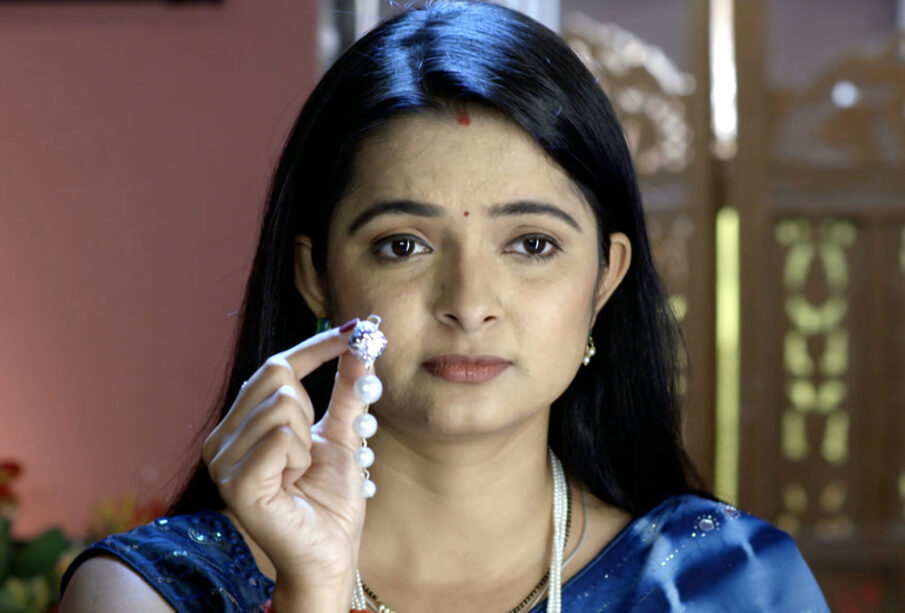
Gujarati television has always been known for its deep emotional storytelling, strong family values, and culturally rich narratives. Among the shows that truly connected with audiences, Moti Baa Ni Nani Vahu holds a special place. With its powerful blend of tradition, emotion, generational conflict, and evolving relationships, the show became one of the most loved family dramas in Gujarati television.
This series is not just about a daughter-in-law adjusting to a new household. It is about understanding, respect, family bonds, and the bridge between old traditions and modern thinking.
Story Overview: A Tale of Two Generations
The central plot revolves around a young daughter-in-law who enters a traditional joint family headed by the strong and respected matriarch, Moti Baa. The contrast between the older generation’s rigid beliefs and the younger generation’s progressive mindset forms the emotional core of the story.
The “Nani Vahu” (younger daughter-in-law) is educated, confident, and compassionate. She respects traditions but also believes in fairness, equality, and independent thinking. Moti Baa, on the other hand, represents discipline, tradition, and authority.
The show beautifully explores:
- Adjustment in a joint family
- Generational misunderstandings
- Emotional bonding over time
- Respect earned through actions, not status
Instead of portraying constant negativity, the narrative gradually builds emotional understanding between characters, which makes the story realistic and engaging.
A Strong Female-Centric Narrative
One of the most impactful aspects of Moti Baa Ni Nani Vahu is its strong female presence. Both Moti Baa and Nani Vahu are powerful characters in their own ways.
Moti Baa
She is not shown as a villain. She is strict but deeply caring. Her decisions are influenced by tradition and life experiences. Over time, viewers understand her perspective and emotional vulnerability.
Nani Vahu
She is the symbol of patience and intelligence. Rather than rebelling aggressively, she wins hearts through respect, calm communication, and practical solutions.
This balanced portrayal avoids typical exaggerated drama and instead focuses on emotional growth.
Themes That Made the Show Popular
1. Joint Family Values
Gujarati culture strongly believes in the joint family system. The show realistically portrays daily life inside a large household, including:
- Kitchen responsibilities
- Festival celebrations
- Financial discussions
- Emotional disagreements
These scenes feel authentic and relatable to viewers.
2. Respect for Elders
The story emphasizes that respect is not about blind obedience but understanding and mutual appreciation.
3. Women Empowerment Within Tradition
Unlike loud revolutionary narratives, this show demonstrates subtle empowerment. The Nani Vahu proves that change can happen respectfully without breaking relationships.
4. Emotional Growth
Over time, characters evolve. Misunderstandings turn into trust, and strictness turns into affection.
Cultural Authenticity
The show strongly reflects Gujarati lifestyle, traditions, and language. From traditional attire to festival celebrations like Navratri and Diwali, everything feels culturally rooted.
Family rituals, food habits, and daily conversations reflect real Gujarati households, which created a strong connection with viewers.
Performances and Character Depth
The performances in Moti Baa Ni Nani Vahu played a crucial role in its success.
- The actress portraying Moti Baa brought authority and emotional depth to the character.
- The Nani Vahu’s portrayal balanced innocence with strength.
- Supporting family members added layers of humor, conflict, and emotional warmth.
Each character had clear development, avoiding flat or one-dimensional roles.
Emotional High Points in the Series
The show is filled with memorable emotional moments, such as:
- The first confrontation between Moti Baa and Nani Vahu
- Festival celebrations that bring hidden emotions to the surface
- Scenes where Nani Vahu sacrifices personal comfort for family peace
- Moments when Moti Baa silently supports her daughter-in-law
These scenes created strong emotional engagement among audiences.
Modern Thinking vs Traditional Beliefs
A major highlight of the show is the subtle conflict between tradition and modernity.
For example:
- Education and career choices
- Household decision-making
- Treatment of women within the family
- Freedom of expression
Instead of portraying one side as wrong, the show shows how understanding and dialogue can create harmony.
Why the Show Connected with Audiences
There are several reasons behind its popularity:
- Relatable family situations
- Strong emotional storytelling
- Cultural depth
- Realistic conflicts
- Balanced drama without excessive negativity
Families could watch the show together because it maintained clean and respectful content suitable for all age groups.
Social Message of the Show
Beyond entertainment, Moti Baa Ni Nani Vahu sends an important social message:
- Change does not require rebellion; it requires patience.
- Elders deserve respect, but young voices also deserve space.
- Women can be strong without being aggressive.
- Family unity is built through understanding, not fear.
These values resonated deeply with Gujarati audiences.
Representation of Gujarati Women
The show beautifully portrays different types of women:
- Traditional homemakers
- Educated young brides
- Supportive mothers
- Independent thinkers
This diversity added richness to the narrative.
Production and Direction
The production quality of the series remained consistent throughout its run. The set design reflected a traditional Gujarati household, complete with detailed interiors and authentic decor.
The direction maintained emotional pacing without rushing major story arcs. Background music enhanced emotional scenes without overpowering dialogues.
Lessons from the Show
Viewers can learn meaningful lessons from Moti Baa Ni Nani Vahu:
- Communication solves most misunderstandings.
- Respect should be mutual in relationships.
- Patience is a powerful strength.
- Traditions can evolve without losing identity.
- Family unity requires emotional effort from everyone.
These lessons make the show more than just daily drama.
Influence on Gujarati Television
The success of Moti Baa Ni Nani Vahu encouraged Gujarati television producers to focus more on meaningful storytelling rather than only dramatic twists.
It proved that audiences appreciate:
- Strong female narratives
- Cultural authenticity
- Emotional maturity
- Balanced storytelling
Emotional Connection with Viewers
One of the strongest achievements of the show was emotional attachment. Viewers did not just watch the characters; they felt connected to them.
Moti Baa reminded many of their grandmothers. Nani Vahu represented daughters adjusting in new homes. This familiarity created deep loyalty among viewers.
Final Thoughts
Moti Baa Ni Nani Vahu stands as a beautiful example of how Gujarati television can combine culture, emotion, and progressive thinking in one meaningful story.
It is a story about understanding between generations, respect within relationships, and the quiet strength of women who bring families together. Instead of loud confrontations, it highlights emotional intelligence and patience.
In a rapidly changing society, shows like this remind us that traditions and modern ideas do not have to clash — they can coexist beautifully when guided by love and respect.
Gujarati television continues to evolve, but Moti Baa Ni Nani Vahu remains a memorable chapter that celebrates family, values, and the timeless bond between a grandmother and her daughter-in-law.


Leave a reply





-
Banff National Park – The Complete Travel Guide to Canada’s Mountain Paradise
Established in 1885, Banff is the oldest national park in Canada and ...