Shaktimaan – India’s First Superhero Who Defined a Generation
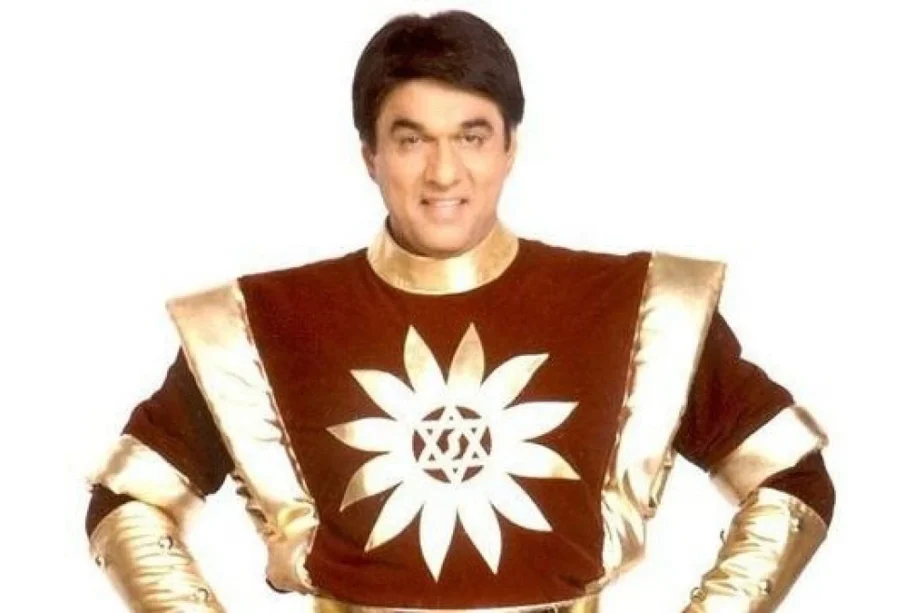
When Indian television was still finding its identity in the 1990s, one show changed everything. Shaktimaan was not just a children’s program—it was a cultural revolution. For an entire generation growing up in India, Sunday mornings meant one thing: sitting in front of the television, waiting for their favorite superhero to appear.
Broadcast on Doordarshan, Shaktimaan became India’s first widely recognized live-action superhero series. At a time when Western superheroes dominated global entertainment, India created its own hero rooted in spirituality, discipline, and moral strength.
This is the complete story of Shaktimaan—its origin, characters, impact, controversies, legacy, and why it still holds emotional value decades later.
The Birth of an Indian Superhero
The idea behind Shaktimaan was bold. Indian television had mythological shows, family dramas, and social stories—but a superhero series was unheard of at that scale.
The man who brought this vision to life was Mukesh Khanna. Already known for playing Bhishma Pitamah in Mahabharat, Mukesh Khanna wanted to create a character that Indian children could look up to—a hero grounded in Indian culture rather than imported fantasy.
Unlike superheroes who gained powers through accidents or alien origins, Shaktimaan’s abilities came from years of meditation, yogic discipline, and spiritual awakening. This foundation gave the show a distinctly Indian identity.
The Origin Story: From Discipline to Divinity
In the storyline, ancient sages foresee that darkness will spread across the world. To counter this evil, they train a man in intense spiritual practices. Through control of the five elements—earth, water, fire, air, and sky—he gains extraordinary powers.
That man becomes Shaktimaan.
His powers include:
- Superhuman strength
- Ability to fly
- Teleportation
- Energy projection
- Mind control resistance
- Advanced healing
But what made him unique was not just power—it was purpose. Shaktimaan existed to protect truth, uphold righteousness, and guide society.
Gangadhar: The Humble Alter Ego
Every superhero needs a secret identity. For Shaktimaan, it was Gangadhar.
Gangadhar was a photographer working at a newspaper office. Clumsy, simple, and slightly awkward, he was the exact opposite of the powerful superhero persona. He wore oversized glasses and often behaved in ways that made people underestimate him.
This dual identity served two purposes:
- It added humor and lightness to the series.
- It symbolized that extraordinary strength can exist within ordinary individuals.
For children watching the show, Gangadhar made Shaktimaan relatable.
Tamraj Kilvish: The Face of Darkness
A hero is only as strong as his villain, and Shaktimaan had one of Indian television’s most iconic antagonists—Tamraj Kilvish.
Played memorably by Surendra Pal, Kilvish represented evil, greed, and corruption. His famous line, “Andhera Kayam Rahe,” became part of pop culture.
Kilvish did not just fight physically. He tried to corrupt society by influencing people’s minds and exploiting weaknesses. His character symbolized the darkness within society—jealousy, dishonesty, and moral decay.
This battle between light and darkness formed the core of the series.
Moral Lessons: The Heart of the Show
One of the most powerful elements of Shaktimaan was its educational segment. At the end of many episodes, Shaktimaan would directly address viewers—especially children—and explain the lesson of the story.
Topics often included:
- The importance of honesty
- Respecting parents and teachers
- Avoiding addictions
- The dangers of greed
- Staying away from crime
- The value of education
This direct communication created emotional bonding. Children did not just watch Shaktimaan—they listened to him.
In a time before social media and smartphones, this connection was powerful.
Production and Visual Effects
Considering the technological limitations of the late 1990s, the special effects were ambitious. Flying sequences, laser beams, spinning transformations—these were groundbreaking for Indian television at the time.
The iconic transformation scene—where Gangadhar spun rapidly to become Shaktimaan—became one of the most memorable visuals in Indian TV history.
Though the effects may seem simple by today’s standards, they were revolutionary then.
Cultural Impact Across India
Shaktimaan quickly became more than just a television show. It became a national sensation.
Children would:
- Wear homemade costumes
- Recreate transformation scenes
- Discuss episodes at school
- Memorize dialogues
Merchandise flooded markets—masks, costumes, comic books, and toys. For many middle-class households, Shaktimaan was the first superhero their children connected with deeply.
It created India’s own superhero culture.
Controversies and Responsibility
At the height of its popularity, there were reports of children attempting to imitate dangerous stunts from the show. Some incidents led to injuries, which sparked public concern.
In response, the show began including stronger disclaimers urging children not to copy the stunts.
Mukesh Khanna publicly emphasized that Shaktimaan’s powers came from years of discipline and spiritual practice, not something that could be imitated casually.
This phase highlighted the responsibility that comes with influencing young audiences.
Why Shaktimaan Was Different from Western Superheroes
While global icons like Superman or Spider-Man were popular, Shaktimaan stood apart in several ways:
- His powers came from meditation and spiritual strength.
- The story was rooted in Indian philosophy.
- The focus was on moral teaching, not just action.
- The villain symbolized internal darkness rather than alien invasion.
This gave Shaktimaan a unique identity that resonated with Indian families.
The Decline and Conclusion
As Indian television expanded and cable networks grew, viewership patterns changed. New genres and modern shows began dominating screens.
Eventually, Shaktimaan concluded after several years on air. However, its impact remained strong.
Even today, clips from the series circulate online, and nostalgia for the show remains powerful.
Revival Talks and Future Possibilities
Over the years, there have been multiple discussions about reviving Shaktimaan as a film or modern web series. Mukesh Khanna has expressed interest in bringing the character back with updated visual effects and storytelling techniques.
If reimagined properly, Shaktimaan could introduce a new generation to India’s original superhero.
The challenge would be balancing nostalgia with modern expectations.
The Psychological Appeal of Shaktimaan
Why did Shaktimaan connect so deeply?
Because he represented:
- Inner strength over physical dominance
- Morality over aggression
- Discipline over chaos
He was not just fighting criminals. He was fighting ignorance and negativity.
For children growing up in the 1990s, this was deeply inspiring.
Legacy of Mukesh Khanna
Mukesh Khanna’s contribution to Indian television is immense. By creating Shaktimaan, he proved that Indian storytelling could produce its own larger-than-life heroes without copying Western models.
His commitment to value-based entertainment made Shaktimaan stand out.
Why Shaktimaan Still Matters Today
In today’s era of fast-paced digital content, Shaktimaan represents a simpler time—when storytelling was slower, messages were clearer, and heroes stood for strong moral values.
The character reminds audiences that true power comes from self-control and integrity.
For those who grew up watching it, Shaktimaan is not just nostalgia—it is part of childhood memory.
Final Thoughts
Shaktimaan was more than India’s first superhero television show. It was a social experiment, a moral classroom, and a cultural movement wrapped in a red-and-gold costume.
It proved that India could create its own superhero mythology rooted in tradition yet appealing to modern audiences.
Decades later, the name still carries weight. The spinning transformation, the booming voice, the battle between light and darkness—these remain etched in memory.
For millions of Indians, Shaktimaan was not just fiction. He was the symbol of goodness during formative years.
And perhaps that is why, even today, the idea of Shaktimaan continues to shine.



Leave a reply




-
Kamali (Zee Marathi) – Full Story, Cast, Timing & Complete Show Details
If you follow Marathi television regularly, you’ve probably heard about Kamali, one ...