
The Sopranos: The Crime Drama That Changed Television Forever
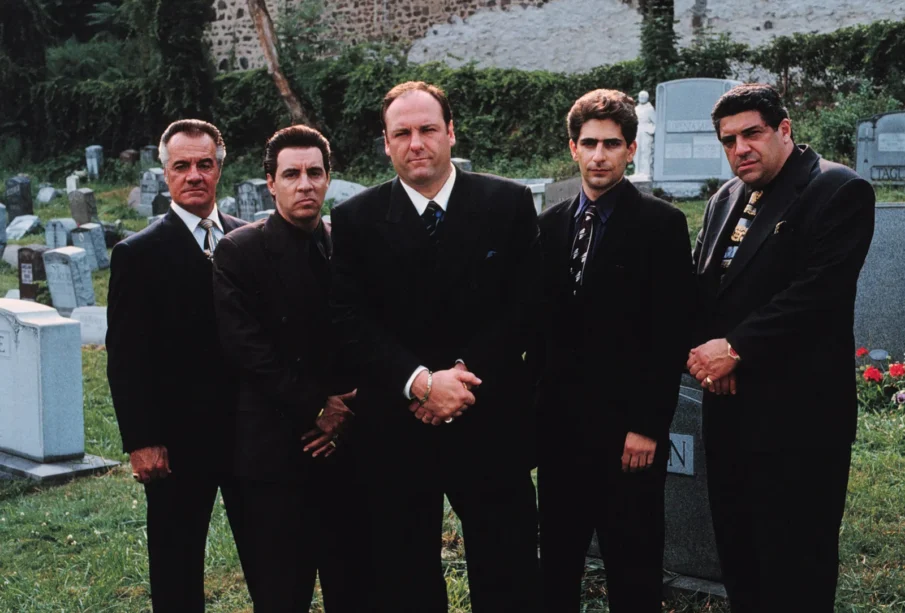
When The Sopranos premiered in 1999, few predicted that a series about a New Jersey mob boss in therapy would permanently alter the landscape of television drama. By the time it concluded in 2007, it had redefined storytelling, elevated cable television to prestige status, and introduced audiences to one of the most complex characters ever written: Tony Soprano.
More than a crime show, The Sopranos is a psychological study, a family drama, and a dark comedy wrapped in the world of organized crime. It challenged viewers, sparked debate, and raised the bar for every series that followed.
This is the story of how it became one of the most influential shows in television history.
The Premise: A Mob Boss in Therapy
At its core, The Sopranos follows Tony Soprano, a powerful mob capo navigating two families — his criminal organization and his household. Struggling with panic attacks, Tony begins therapy with Dr. Jennifer Melfi. This narrative device allows the audience to enter his mind, exploring vulnerability beneath brutality.
The genius of the premise lies in contrast. Tony is ruthless in business, capable of violence without hesitation. Yet in therapy sessions, he reveals anxiety, insecurity, childhood trauma, and fear of losing control.
This duality forms the backbone of the series.
Tony Soprano: Television’s First Modern Antihero
Portrayed by James Gandolfini, Tony Soprano is often regarded as the prototype for the modern television antihero.
Before Tony, protagonists were usually clearly heroic or morally upright. Tony shattered that expectation. He lies, cheats, murders, manipulates, and yet remains strangely sympathetic.
Gandolfini’s performance is the key. He infused Tony with:
- Raw physical presence
- Emotional vulnerability
- Dark humor
- Sudden, explosive rage
The audience is forced into an uncomfortable position: rooting for someone deeply flawed and morally compromised. This complexity paved the way for later characters like Walter White and Don Draper.
The Vision Behind the Show
The series was created by David Chase, whose unconventional storytelling instincts shaped the show’s tone.
Chase rejected formulaic storytelling. Instead of tidy resolutions, episodes often ended ambiguously. Emotional tension lingered. Consequences were unpredictable. Dialogue felt natural, sometimes mundane — just like real life.
The show aired on HBO, which allowed greater creative freedom compared to traditional broadcast networks. Without strict censorship or commercial breaks dictating pacing, The Sopranos developed a cinematic style rarely seen on television at the time.
Family as the Central Theme
While organized crime drives much of the plot, the show is fundamentally about family.
The Domestic Sphere
Tony’s relationship with his wife, Carmela, is one of television’s most layered portrayals of marriage. Carmela benefits from the wealth Tony’s criminal life provides, yet she struggles with guilt and moral compromise.
Their arguments feel painfully real. Love coexists with resentment. Loyalty clashes with betrayal.
Parenthood and Generational Conflict
Tony’s children, Meadow and A.J., represent a new generation removed from traditional mob culture. Meadow challenges her father intellectually and morally, while A.J. drifts through confusion and depression.
The tension between old-world values and modern identity adds emotional depth to the series.
Supporting Characters That Deepen the World
The Sopranos thrives on its rich ensemble cast. Every character feels lived-in, flawed, and unpredictable.
- Christopher Moltisanti: Tony’s nephew and protégé, battling addiction and ambition.
- Paulie Gualtieri: Superstitious, volatile, and darkly comedic.
- Silvio Dante: Calm, calculating consigliere.
- Dr. Jennifer Melfi: Tony’s therapist, navigating professional ethics and personal fear.
Even minor characters receive nuanced development, making the world feel expansive and authentic.
The Psychological Depth
One of the show’s greatest strengths is its psychological realism.
Therapy sessions allow exploration of:
- Childhood trauma
- Parental influence
- Depression and anxiety
- Identity and power
Tony’s relationship with his mother, Livia, is particularly haunting. Her manipulative and emotionally abusive behavior shapes much of his psychological damage.
Unlike typical crime dramas, the show suggests that violence stems not just from ambition but from unresolved emotional wounds.
Realism in Crime Storytelling
While many crime series glamorize the mob lifestyle, The Sopranos strips away illusion.
Yes, there are expensive cars and lavish homes. But there is also paranoia, betrayal, constant surveillance, and the looming threat of imprisonment or death.
Murders are not heroic or cinematic. They are messy, abrupt, and often tragic. The show emphasizes consequences — emotional and psychological, even when legal justice fails.
Dark Humor and Everyday Conversations
Despite its heavy themes, The Sopranos is frequently funny.
Much of the humor emerges from:
- Petty arguments among mobsters
- Misunderstandings
- Generational differences
- Tony’s dry sarcasm
Scenes of gangsters debating trivial matters over dinner or arguing about television shows create a strange normalcy. This blending of domestic routine with criminal enterprise is both unsettling and deeply humanizing.
Cultural Impact
When The Sopranos gained popularity, it elevated cable television into a serious storytelling medium.
It proved that television could rival film in depth and artistry. Its success helped usher in what many call the “Golden Age of Television,” influencing shows that followed in its footsteps.
The series also sparked conversations about:
- Mental health stigma among men
- Toxic masculinity
- The American Dream and its darker side
- Moral ambiguity in leadership
Tony Soprano became a cultural symbol — both feared and analyzed.
The Use of Music and Cinematic Style
From its iconic opening sequence set to “Woke Up This Morning” to carefully chosen closing tracks, music plays a significant role in storytelling.
The show often ends episodes with extended musical sequences, allowing emotions to linger without dialogue. This cinematic approach was rare at the time and reinforced its artistic ambition.
Camera work is deliberate and subtle. Scenes feel intimate, often lingering on silence or facial expressions. The pacing resists quick-cut action typical of network crime dramas.
The Controversial Ending
Few television finales have sparked as much debate as The Sopranos.
The final scene, set in a diner, builds tension through small details: glances at the door, background characters, the sound of a bell. Then, abruptly, the screen cuts to black.
No gunshot. No explanation. Silence.
The ambiguity divided viewers. Some were frustrated. Others saw it as brilliant — a reflection of Tony’s life, where danger could strike at any moment without warning.
The ending remains one of the most analyzed moments in television history.
Themes That Still Resonate
The American Dream
Tony embodies a twisted version of the American Dream: wealth, power, respect. Yet beneath the surface lies emptiness and anxiety.
The show questions whether material success can compensate for moral compromise.
Identity and Control
Tony constantly struggles to maintain control — over his family, his crew, his emotions. His panic attacks symbolize cracks in that control.
Morality Without Redemption
Unlike many crime narratives, The Sopranos offers little redemption. Characters rarely transform into better versions of themselves. Instead, they reveal deeper layers of contradiction.
Awards and Recognition
Throughout its run, the series received widespread acclaim and numerous awards, including multiple Emmys and Golden Globes.
Critics praised its writing, acting, and ambition. Over time, it has consistently ranked among the greatest television series ever produced.
Its influence is visible in later dramas that embrace morally complex protagonists and cinematic storytelling.
Why The Sopranos Still Matters Today
Even decades after its premiere, the series remains relevant.
Modern audiences continue discovering it through streaming platforms. Its themes of anxiety, masculinity, and moral compromise feel just as timely.
The show also serves as a benchmark. Whenever a new crime drama premieres, comparisons to The Sopranos are inevitable.
It didn’t just entertain — it changed expectations.
The Human Cost of Power
Perhaps the most powerful element of the series is its refusal to romanticize leadership.
Tony may command respect, but he is isolated. His friendships are transactional. Trust is fragile. Loyalty often masks fear.
Power brings paranoia. Authority brings loneliness.
This nuanced portrayal of leadership adds emotional weight beyond the crime narrative.
Legacy in Modern Television
Without The Sopranos, many acclaimed dramas might not exist in their current form. Its success demonstrated that audiences were willing to engage with slow-burning narratives and morally ambiguous storytelling.
It expanded what television could be:
- Cinematic
- Character-driven
- Psychologically complex
- Unapologetically bold
Today’s premium dramas owe a creative debt to Tony Soprano and the world he inhabited.
Final Thoughts
The Sopranos is not an easy show. It demands attention. It resists simple morality. It leaves questions unanswered.
But that is precisely why it endures.
It portrays violence without glamor, power without peace, and family without idealization. It reveals that beneath authority often lies insecurity, and beneath aggression often lies fear.
More than a mob drama, it is a study of modern identity — a reflection of ambition, anxiety, and contradiction.
Tony Soprano may not be a hero. He may not even be redeemable. But he is unforgettable.
And that is what makes The Sopranos one of the greatest television series ever created.







-
Kanku – Rang Paarko: A Detailed Look at the Gujarati Television Drama
This article presents a complete and original overview of the show, its ...