
Banff National Park – The Complete Travel Guide to Canada’s Mountain Paradise
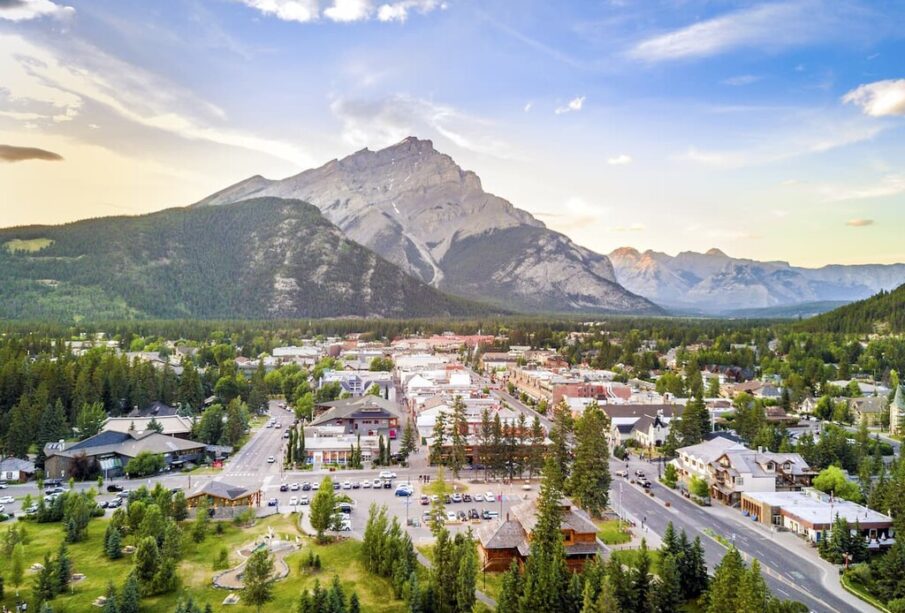
f you’ve ever dreamed of standing beside a turquoise lake surrounded by snow-capped mountains, Banff National Park is that dream brought to life. Located in the heart of the Canadian Rockies in Alberta, Banff is Canada’s first national park and one of the most breathtaking natural destinations in the world.
From glacier-fed lakes and scenic mountain drives to wildlife encounters and cozy alpine towns, Banff offers an unforgettable experience in every season. Whether you’re planning a summer adventure or a winter escape, this detailed guide covers everything you need to know about visiting Banff National Park.
Why Banff National Park Is So Famous
Established in 1885, Banff is the oldest national park in Canada and part of the Canadian Rocky Mountain Parks UNESCO World Heritage Site.
Banff is famous for:
- Crystal-clear turquoise lakes
- Dramatic mountain landscapes
- Scenic drives like the Icefields Parkway
- Abundant wildlife (elk, bears, mountain goats)
- Ski resorts and winter sports
- Charming mountain town atmosphere
It’s a perfect blend of raw wilderness and comfortable tourism infrastructure.
Top Attractions in Banff National Park
Lake Louise
Lake Louise is one of the most photographed lakes in the world. Its unreal turquoise color comes from rock flour carried by melting glaciers.
In summer, visitors canoe across its calm waters. In winter, the lake freezes and transforms into a magical ice-skating rink.
The surrounding hiking trails offer incredible panoramic views.
Moraine Lake
Often considered even more stunning than Lake Louise, Moraine Lake sits in the Valley of the Ten Peaks. The deep blue water against rugged mountains creates one of the most iconic landscapes in Canada.
Access is limited during peak season, so advance planning is essential.
Banff
The town of Banff is small but lively, filled with:
- Boutique shops
- Cozy cafés
- Restaurants and breweries
- Art galleries
- Mountain-view hotels
Banff Avenue offers postcard-worthy views of Cascade Mountain, making even a simple walk feel scenic.
Icefields Parkway
The drive between Banff and Jasper along the Icefields Parkway is considered one of the most beautiful road trips in the world.
Along the route, you’ll see:
- Glaciers
- Waterfalls
- Emerald lakes
- Snow-covered peaks
Take your time — this drive is about the journey, not just the destination.
Outdoor Activities in Banff
Banff is an outdoor lover’s paradise.
Hiking
With over 1,600 kilometers of trails, Banff offers hikes for every level — from easy lakeside walks to challenging mountain summits.
Canoeing
Rent a canoe at Lake Louise or Moraine Lake for a peaceful paddle surrounded by mountains.
Wildlife Viewing
Banff is home to elk, deer, black bears, grizzly bears, and bighorn sheep. Always maintain a safe distance.
Skiing & Snowboarding
In winter, Banff becomes a snow-covered wonderland with world-class ski resorts like Sunshine Village and Lake Louise Ski Resort.
Best Time to Visit Banff National Park
Banff is beautiful year-round, but each season offers a different experience.
Summer (June–September)
- Best weather for hiking and canoeing
- Lakes are fully thawed and vibrant
- Peak tourist season
Fall (October)
- Fewer crowds
- Golden larch trees
- Cooler temperatures
Winter (November–March)
- Snow-covered landscapes
- Skiing and winter sports
- Frozen lakes
Spring (April–May)
- Fewer tourists
- Melting snow and emerging greenery
If you want turquoise lakes and hiking, visit in summer. For a magical snowy atmosphere, winter is unforgettable.
How to Reach Banff National Park
Most travelers fly into Calgary International Airport.
From there:
- Banff is about a 1.5-hour drive west
- Car rental is recommended
- Shuttle buses are also available
Having your own vehicle gives you flexibility to explore lakes and scenic spots.
Where to Stay in Banff
Accommodation ranges from luxury mountain lodges to budget-friendly inns.
Luxury
The iconic Fairmont Chateau Lake Louise offers stunning lakefront views.
Mid-Range
Hotels in Banff town provide comfort and convenience.
Budget
Hostels and campgrounds are available for travelers looking to save.
Camping inside the park is a popular option during summer months.
Important Travel Tips
- Purchase a Parks Canada pass before entering.
- Start early to secure parking at popular lakes.
- Carry bear spray when hiking in remote areas.
- Dress in layers — weather changes quickly in the mountains.
- Respect wildlife and park regulations.
Banff is protected wilderness, and responsible tourism helps preserve its beauty.
Why Banff Is a UNESCO World Heritage Site
Banff National Park is part of the Canadian Rocky Mountain Parks UNESCO designation due to its:
- Geological significance
- Glaciers and icefields
- Alpine ecosystems
- Outstanding natural beauty
It’s not just a tourist destination — it’s a globally important natural treasure.
Banff vs Other Mountain Destinations
Compared to:
- The Swiss Alps — Banff is more rugged and less densely populated
- Yosemite National Park — Banff features more turquoise glacial lakes
- Patagonia — Banff is more accessible and developed
Banff offers the perfect balance between wilderness and convenience.
Is Banff National Park Worth Visiting?
Without a doubt.
Banff is one of those rare places that looks exactly like the photos — and often even better in person. The combination of towering peaks, crystal lakes, fresh mountain air, and abundant wildlife creates a powerful and peaceful experience.
Whether you’re hiking under the summer sun or watching snow fall over frozen lakes, Banff National Park leaves a lasting impression.
If you’re building a bucket list of the world’s most beautiful natural places, Banff absolutely belongs at the top.






-
Japan: A Travel Destination Where Tradition and the Future Exist Side by Side
From bustling cities to peaceful countryside, Japan offers something for every kind ...