
Colosseum – The Timeless Arena of Ancient Glory
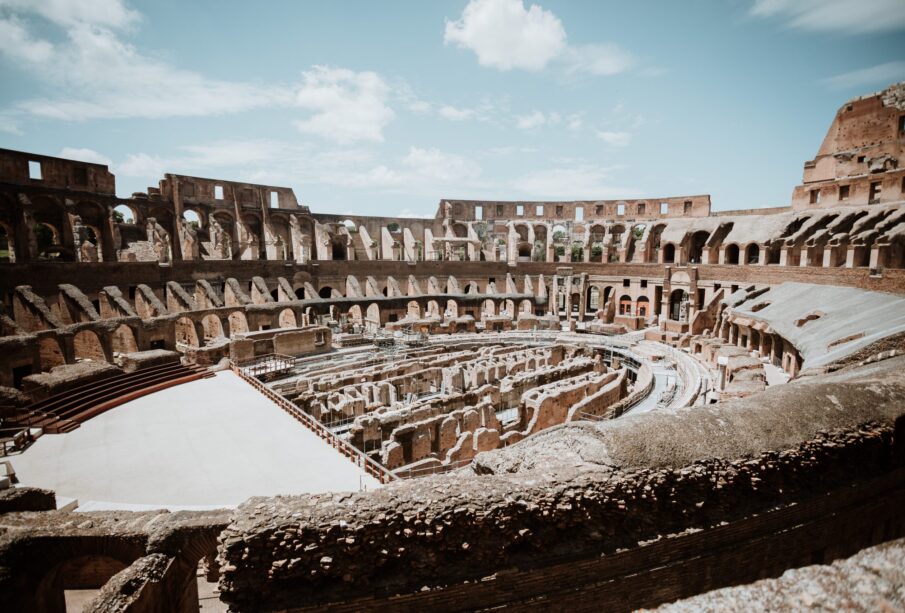
In the heart of Rome stands a monument that has witnessed nearly two thousand years of history. The Colosseum is not just an ancient ruin—it is a powerful symbol of the strength, ambition, and complexity of the Roman Empire. Its massive stone arches, weathered by time, still echo with stories of gladiators, emperors, roaring crowds, and dramatic spectacles.
Even today, stepping inside the Colosseum feels like entering another era. It is one of the most visited landmarks in the world and remains one of humanity’s most extraordinary architectural achievements.
The Birth of an Icon
The Colosseum, originally known as the Flavian Amphitheatre, was commissioned by Emperor Vespasian around 70–72 CE. It was completed in 80 CE under his son, Emperor Titus.
The construction of this grand amphitheater marked a significant political move. After years of civil war and unrest, the Flavian dynasty sought to restore stability and win public favor. Building a massive entertainment venue for the people of Rome was a bold and strategic gesture.
Unlike many imperial projects, the Colosseum was designed for public use. It was built on the site of Emperor Nero’s former palace, symbolizing a return of land to the Roman citizens.
Architectural Brilliance Beyond Its Time
The Colosseum remains a masterpiece of Roman engineering.
Massive Structure
- Height: Approximately 48 meters
- Length: Around 189 meters
- Width: Around 156 meters
- Capacity: 50,000–80,000 spectators
Constructed primarily of limestone, concrete, and brick, the Colosseum featured a complex system of vaults and arches that allowed it to support enormous weight while maintaining structural integrity.
The Hypogeum
Beneath the arena floor lay the hypogeum—a network of underground tunnels, chambers, and cages. Gladiators and wild animals were kept here before being lifted into the arena through trapdoors using advanced pulley systems.
This underground maze was a marvel of engineering, allowing dramatic surprises during events.
The Velarium
A retractable awning known as the velarium covered the seating area to protect spectators from the sun. Operated by Roman sailors, it demonstrated the empire’s innovative spirit.
Gladiators and Spectacles
The Colosseum is most famously associated with gladiator combat. These fighters, often slaves, prisoners of war, or volunteers seeking fame, battled each other—or wild animals—in front of thousands of spectators.
The events included:
- Gladiator battles
- Animal hunts (venationes)
- Public executions
- Mock naval battles (in the early years)
These spectacles were not merely entertainment—they were powerful political tools. Emperors used them to display wealth, power, and generosity. The phrase “bread and circuses” reflected how public entertainment helped maintain social order.
While the games were brutal, they were deeply embedded in Roman culture and tradition.
A Symbol of Roman Power
The Colosseum was more than an arena. It represented the dominance of Rome over nature and conquered territories. Exotic animals from Africa and Asia were transported to Rome for hunts. Gladiators from different regions reflected the empire’s vast reach.
The amphitheater stood as a reminder of Rome’s engineering genius and organizational skill. Hosting such large-scale events required extraordinary planning and resources.
For centuries, it remained a central gathering place for the people of Rome.
Decline and Transformation
As the Roman Empire declined, so did the use of the Colosseum. By the 6th century, gladiator games had ended.
Over time, the structure suffered damage from:
- Earthquakes
- Stone removal for other construction projects
- Natural aging
During the medieval period, parts of the Colosseum were used as housing, workshops, and even a fortress.
Despite this, its core structure survived—an astonishing testament to Roman construction methods.
Religious and Cultural Importance
In later centuries, the Colosseum became associated with Christian martyrdom, though historical evidence remains debated. It eventually became a symbol of peace and remembrance.
Today, the monument hosts special events, including Good Friday ceremonies led by the Pope. It has evolved from a place of violence into a global symbol of history and reflection.
Visiting the Colosseum Today
Millions of visitors travel to Rome each year to experience this ancient wonder. Walking through its corridors, climbing the stone steps, and standing where gladiators once fought is an unforgettable experience.
What to Expect
- Panoramic views of the arena
- Access to upper tiers for city views
- Guided tours explaining its history
- Underground hypogeum tours (special tickets required)
The Colosseum is located near other major landmarks such as the Roman Forum and Palatine Hill, making it part of a larger historical exploration.
Fascinating Facts About the Colosseum
- It is the largest ancient amphitheater ever built.
- Construction was funded by spoils from the Jewish War.
- It had 80 entrances to allow rapid crowd movement.
- Spectators were seated according to social status.
- It is one of the New Seven Wonders of the World.
The design influenced stadium construction for centuries. Modern sports arenas still use principles first developed in the Colosseum.
Preservation and Restoration
Extensive restoration efforts have helped preserve the Colosseum. Cleaning projects, structural reinforcements, and tourism management continue to protect it from pollution and environmental damage.
Italy has invested heavily in maintaining this cultural treasure, ensuring that future generations can continue to admire it.
Why the Colosseum Still Captivates the World
There is something powerful about standing inside the Colosseum. You can almost hear the crowd, feel the tension of the arena, and imagine the spectacle that once unfolded there.
It represents both the glory and the complexity of ancient Rome. It tells stories of ambition, innovation, entertainment, and humanity’s desire for spectacle.
Though centuries have passed, the Colosseum still stands proudly—scarred but unbroken.
Final Thoughts
The Colosseum is more than a historical site. It is a symbol of resilience. Despite wars, earthquakes, and the passage of time, it remains one of the most recognizable monuments on Earth.
If you ever visit Rome, take your time here. Walk slowly. Look closely at the arches and stonework. Let the weight of history sink in.
The Colosseum is not just a monument—it is a reminder that civilizations may rise and fall, but their stories endure.



Leave a reply





-
Industry – Season 4: Power, Pressure & the Future of Pierpoint
Here’s a deep look at what to expect from Industry: Season 4, ...