
Italy: A Travel Destination Where History, Beauty, and Life Come Together
Italy is not just a country you visit; it’s a country you feel. Every street, every meal, every conversation seems to carry centuries of stories. From ancient ruins and Renaissance art to dramatic coastlines and slow village life, Italy offers experiences that feel rich, emotional, and deeply human.
Travelers come to Italy for many reasons—history, food, architecture, romance—but what makes them fall in love is how effortlessly everything blends. Life here is not rushed. Meals are shared, moments are savored, and beauty is treated as a daily necessity rather than a luxury.
Italy is a destination that doesn’t need exaggeration. Its charm lies in authenticity, tradition, and the simple joy of living well.
Why Italy Is One of the World’s Most Iconic Travel Destinations
Italy consistently ranks among the most visited countries in the world because it offers unmatched diversity within a single destination. You can explore ancient Roman ruins in the morning, admire Renaissance masterpieces in the afternoon, and enjoy a seaside sunset by evening.
Each region in Italy feels like its own world. Language accents change, food traditions vary, and landscapes shift dramatically. Yet there is a shared Italian spirit—warm, expressive, proud of heritage, and deeply connected to family and food.
Italy appeals to every kind of traveler: history lovers, food enthusiasts, couples, solo explorers, and families. It is equally rewarding whether you plan carefully or wander freely.
Rome: Walking Through the Pages of History
Rome feels like an open-air museum where history lives alongside modern life. Known as the Eternal City, Rome carries over two thousand years of stories in its streets, monuments, and ruins.
The Colosseum stands as a powerful reminder of ancient Roman ambition, while the Roman Forum offers a glimpse into daily life of a long-lost empire. Walking through these sites feels less like sightseeing and more like time travel.
Beyond famous landmarks, Rome reveals itself in quieter moments—small piazzas, neighborhood cafés, and evening strolls where locals gather. The city teaches visitors that history is not something frozen in the past; it is something lived every day.
Vatican City: Art, Faith, and Grandeur
Within Rome lies Vatican City, the smallest independent state in the world and one of its most spiritually and artistically significant places.
St. Peter’s Basilica impresses with its scale and beauty, while the Vatican Museums house priceless art collections. The Sistine Chapel, with its famous ceiling, leaves a lasting impression not because of its fame, but because of the emotion it evokes.
Even for travelers without religious interests, the Vatican offers a powerful cultural experience rooted in human creativity and devotion.
Florence: The Birthplace of Renaissance Beauty
Florence is a city where art defines identity. Often considered the cradle of the Renaissance, Florence celebrates creativity, architecture, and human expression like few places on earth.
The Florence Cathedral dominates the skyline with its iconic dome, while museums showcase masterpieces that shaped Western art. Yet Florence never feels overwhelming. Its compact size makes it ideal for walking and slow exploration.
Beyond galleries and monuments, Florence charms visitors through everyday life—local markets, artisan workshops, and riverside views that feel timeless.
Venice: A City Like No Other
Venice feels almost unreal. Built on water, with canals instead of roads, it offers an experience unlike any other city in the world.
Gondolas glide through narrow waterways, historic buildings rise directly from the lagoon, and every corner feels cinematic. St. Mark’s Square and its surrounding architecture reflect Venice’s powerful past as a maritime republic.
Venice is best enjoyed slowly. Wandering away from crowded areas reveals quiet neighborhoods where laundry hangs above canals and life moves gently. These moments show the true soul of the city.
Milan: Where Tradition Meets Modern Style
Milan represents Italy’s modern edge. Known as a global fashion and design capital, the city balances contemporary creativity with historical depth.
The iconic cathedral at the city’s center reflects remarkable craftsmanship, while neighborhoods showcase innovation in architecture, art, and lifestyle. Milan’s energy feels different from other Italian cities—faster, sharper, and forward-looking.
Yet even here, tradition remains strong. Meals are social, cafés are gathering places, and history quietly anchors the city’s modern identity.
The Amalfi Coast: Natural Beauty at Its Finest
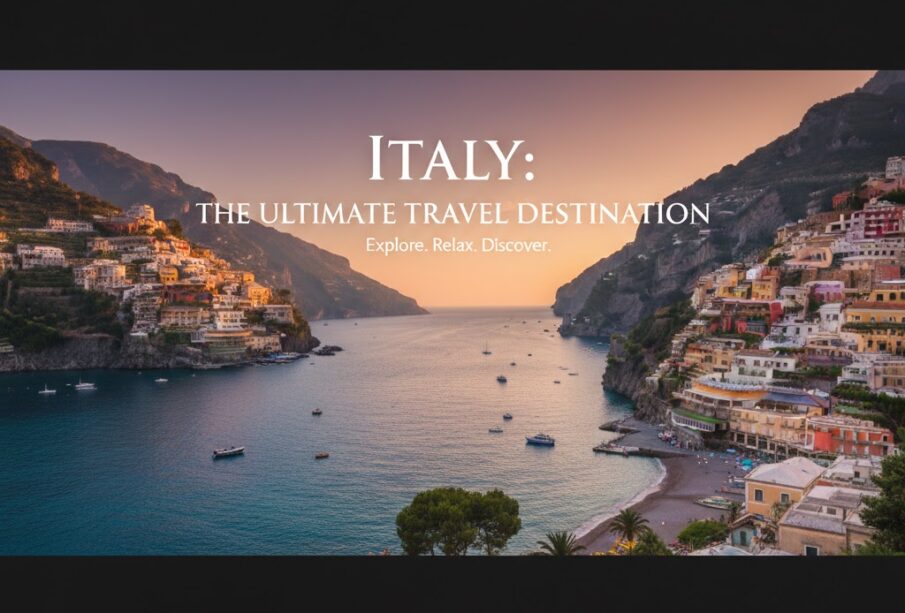
The Amalfi Coast is one of Italy’s most breathtaking regions. Dramatic cliffs drop into the sea, colorful villages cling to hillsides, and winding roads reveal unforgettable views at every turn.
Towns like Positano and Amalfi feel almost suspended between sky and water. Life here moves at a relaxed pace, shaped by the rhythm of the sea.
The Amalfi Coast attracts travelers seeking romance, beauty, and a sense of escape. It is not just visually stunning; it is emotionally calming.
Italian Villages: Where Authentic Life Thrives
Beyond famous cities, Italy’s villages offer a deeper connection to local culture. In places like Tuscany, Umbria, and Sicily, life revolves around family, tradition, and community.
Stone houses, local festivals, and home-cooked meals define daily life. Visitors are often welcomed with warmth and curiosity, making village stays feel personal and memorable.
These regions show that Italy’s true beauty lies not only in landmarks, but in how people live.
Italian Cuisine: A Celebration of Simplicity
Italian food is loved worldwide, but tasting it in Italy is a different experience altogether. Meals are built around fresh ingredients, regional traditions, and time-honored recipes.
Pizza in Naples, pasta in Rome, risotto in the north, and seafood along the coast each tell a story of place and history. Meals are not rushed; they are moments of connection.
Food in Italy is not about complexity—it is about balance, flavor, and respect for ingredients. Even a simple dish can feel unforgettable.
Best Time to Visit Italy
Italy is enjoyable throughout the year, but April to June and September to October are considered ideal. The weather is pleasant, crowds are manageable, and outdoor exploration is comfortable.
Summer is lively but crowded, especially in major tourist cities. Winter offers fewer visitors and a quieter atmosphere, particularly in smaller towns.
Each season brings a different mood, allowing travelers to choose based on personal preferences.
Travel Tips for Exploring Italy
Italy’s train network makes it easy to travel between cities. Walking remains the best way to explore historic centers.
Learning a few Italian phrases enhances interactions and shows respect for local culture. Italians value manners, especially greetings and dining etiquette.
Flexibility is key. Some of the best experiences come from unplanned moments—getting lost, discovering a local café, or joining a village celebration.
Why Italy Stays With You
Italy doesn’t just impress—it connects. Its history feels alive, its food feels comforting, and its lifestyle encourages presence. Travelers often leave Italy feeling inspired to slow down, eat better, and appreciate beauty in everyday life.
It is a destination that speaks to the heart as much as the mind.
Final Thoughts
Italy is a country that invites you to live fully. Whether you explore famous cities, coastal towns, or quiet villages, each experience feels layered and meaningful.
For travelers seeking history, culture, cuisine, and a genuine sense of place, Italy remains one of the most rewarding destinations in the world.






-
Lake Pichola & Jag Mandir: The Timeless Jewel of Udaipur
Lake Pichola and Jag Mandir are not just tourist spots — they ...