Kangaroo Island (South Australia): A Wild Escape Where Nature Still Rules
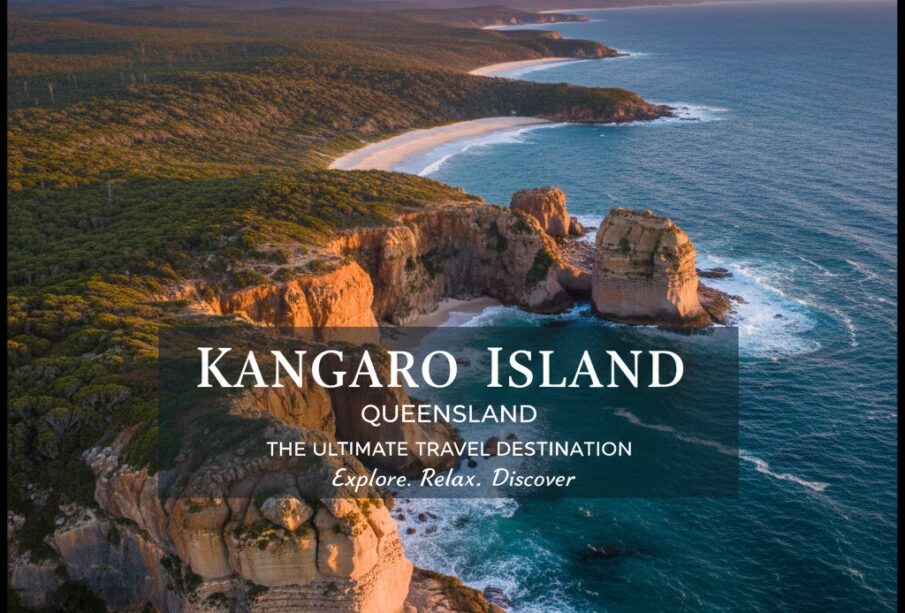
Kangaroo Island feels like Australia at its most untouched. Located off the coast of South Australia, this remarkable island is a place where rugged landscapes, native wildlife, and raw coastal beauty exist in perfect balance. It is not a destination shaped by crowds or commercial excess, but one defined by space, silence, and authenticity.
For travelers who crave nature in its purest form, Kangaroo Island offers something increasingly rare—a sense of genuine wilderness combined with thoughtful conservation and warm local hospitality.
Why Kangaroo Island Is One of Australia’s Most Unique Travel Destinations
Kangaroo Island stands apart because so much of it remains protected. Nearly half of the island is dedicated to national parks and conservation areas, allowing ecosystems to thrive with minimal human interference.
Unlike many wildlife destinations, animals here roam freely in their natural habitat. Kangaroos, wallabies, koalas, and sea lions are not staged encounters—they are part of everyday life on the island.
This commitment to preservation makes Kangaroo Island not just a place to visit, but a place to respect.
Location and Getting to Kangaroo Island
Kangaroo Island lies southwest of Adelaide and is accessible by ferry or short flight. The journey itself sets the tone, transitioning travelers from urban life to open landscapes and fresh coastal air.
Once on the island, roads stretch through farmland, bushland, and coastline, offering scenic drives that feel peaceful rather than rushed. A car is the best way to explore, allowing freedom to stop, observe, and wander.
Despite its remote feel, the island is well-equipped for visitors while remaining true to its natural character.
Flinders Chase National Park: The Island’s Wild Heart
Flinders Chase National Park is one of Kangaroo Island’s most iconic areas. Here, nature shapes the land through wind, sea, and time.
Dramatic rock formations rise from the coastline, sculpted over thousands of years. The ocean crashes below, creating a powerful and humbling atmosphere.
Walking trails reveal untouched bushland, abundant wildlife, and sweeping views that remind visitors how small they are in the presence of nature.
Wildlife Encounters in Their Natural Habitat
Kangaroo Island is often described as a wildlife sanctuary, and for good reason. Native animals thrive here, protected by the island’s isolation.
Kangaroos and wallabies are commonly seen grazing in open fields. Koalas rest quietly in eucalyptus trees, while seals and sea lions gather along the coast.
These encounters feel organic and unforced, creating meaningful moments that stay with travelers long after they leave.
Pristine Beaches and Rugged Coastlines
The coastline of Kangaroo Island is as diverse as it is beautiful. From calm, sheltered beaches to dramatic cliffs and roaring waves, the island’s shores offer something for every kind of explorer.
Some beaches feel completely untouched, with no signs of development in sight. Others offer quiet spots for swimming, walking, or simply listening to the ocean.
The connection between land and sea defines the island’s character, shaping both its landscapes and lifestyle.
Local Food and Island Produce
Kangaroo Island is also known for its high-quality local produce. The island’s clean environment and rich soil support exceptional food and drink.
Fresh seafood, local honey, artisanal cheeses, and regional wines reflect the island’s connection to the land and sea. Meals here feel honest and thoughtfully prepared, often enjoyed in relaxed, scenic settings.
Food on Kangaroo Island is not about trends—it is about freshness, flavor, and pride in local craftsmanship.
A Slower Pace and Meaningful Travel
Life on Kangaroo Island moves gently. There is no pressure to rush or over-schedule. Days are shaped by natural light, weather, and personal curiosity.
Travelers often find themselves slowing down naturally, spending more time observing, reflecting, and simply being present. This shift in pace is one of the island’s greatest gifts.
Kangaroo Island encourages a deeper form of travel—one that values experience over accumulation.
Best Time to Visit Kangaroo Island
The best time to visit Kangaroo Island is from October to April, when weather conditions are mild and outdoor exploration is comfortable.
Spring brings wildflowers and active wildlife, while summer offers long days and warm temperatures. Autumn provides quieter travel and beautiful coastal light.
Winter is cooler and less crowded, ideal for those seeking solitude and dramatic landscapes.
Responsible Tourism and Conservation
Kangaroo Island’s natural beauty depends on careful conservation. Visitors are encouraged to respect wildlife, stay on designated paths, and support local businesses committed to sustainability.
Many tourism operators focus on education and environmental protection, ensuring that travel benefits both visitors and the island itself.
Responsible tourism helps preserve Kangaroo Island’s fragile ecosystems for future generations.
Why Kangaroo Island Leaves a Lasting Impression
Kangaroo Island does not rely on spectacle or excess. Its power lies in space, authenticity, and nature allowed to thrive.
Travelers often leave feeling grounded and refreshed, carrying memories of quiet moments, wild encounters, and open horizons.
It is a destination that reconnects people with the natural world—and with themselves.
Final Thoughts
Kangaroo Island is a reminder of what travel can be when nature leads the way. It offers wilderness without discomfort, adventure without chaos, and beauty without distraction.
For travelers seeking raw landscapes, meaningful wildlife encounters, and a slower, more thoughtful journey, Kangaroo Island in South Australia stands as one of Australia’s most rewarding destinations.






-
Machu Picchu – The Complete Travel Guide to Peru’s Lost City of the Incas
This complete guide covers everything you need to know — history, top ...