
Kyoto – The Complete Travel Guide to Japan’s Cultural Heart
Kyoto is where old Japan still breathes. While cities like Tokyo showcase modern innovation and neon skylines, Kyoto preserves the country’s spiritual soul. With over a thousand temples, serene bamboo forests, traditional tea houses, and centuries-old shrines, Kyoto offers a deeply cultural and peaceful travel experience.
If you’re planning a trip to Japan or looking for a destination rich in history, tradition, and natural beauty, this detailed guide covers everything you need to know about Kyoto — from top attractions and food to travel tips and the best time to visit.
Why Kyoto Is So Special
Kyoto served as Japan’s imperial capital for more than 1,000 years (794–1868). During that time, it became the center of Japanese culture, religion, art, and architecture.
Unlike many cities that modernized rapidly, Kyoto carefully preserved its heritage. Today, visitors can:
- Walk through traditional wooden neighborhoods
- Visit ancient Buddhist temples and Shinto shrines
- Experience authentic tea ceremonies
- See geisha in historic districts
- Enjoy peaceful gardens and seasonal beauty
Kyoto offers a slower, more reflective side of Japan.
Top Places to Visit in Kyoto
Fushimi Inari Taisha
One of Kyoto’s most iconic landmarks, Fushimi Inari is famous for its thousands of bright red torii gates that form a tunnel-like path up Mount Inari.
The shrine is dedicated to Inari, the Shinto god of rice and prosperity. Walking through the torii gates feels almost meditative, especially early in the morning before crowds arrive.
Kinkaku-ji
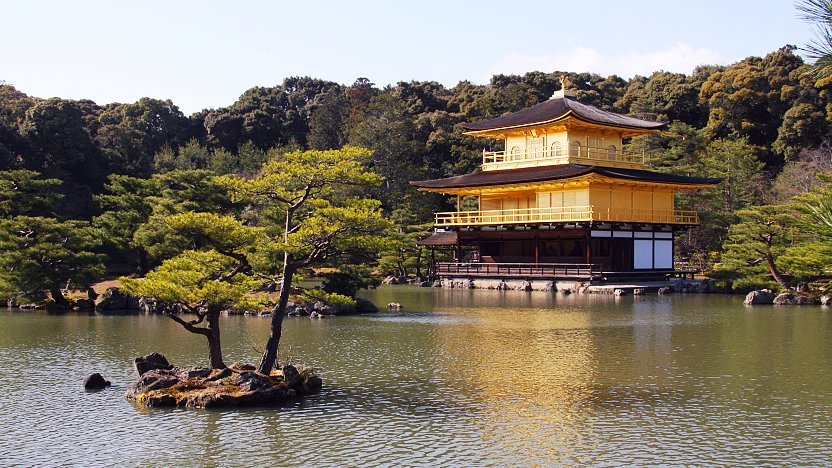
Also known as the Golden Pavilion, Kinkaku-ji is covered in gold leaf and reflects beautifully in the surrounding pond. Originally built in the 14th century, it remains one of Kyoto’s most photographed sites.
Its elegant design and tranquil garden setting represent classic Japanese aesthetics.
Arashiyama Bamboo Grove
Walking through the towering bamboo stalks of Arashiyama is one of the most unique experiences in Kyoto. The sound of wind moving through the bamboo creates a calming atmosphere.
Nearby, you can also visit the Togetsukyo Bridge and scenic river views.
Gion
Gion is Kyoto’s most famous geisha district. Here, traditional wooden machiya houses line the streets, and if you’re lucky, you might see a geisha or maiko (apprentice geisha) heading to an evening engagement.
The area is also home to traditional tea houses and fine kaiseki restaurants.
Kyoto’s Cultural Experiences
Kyoto isn’t just about sightseeing — it’s about experiencing tradition.
1. Tea Ceremony
Participate in a Japanese tea ceremony to understand the philosophy of harmony, respect, purity, and tranquility.
2. Kimono Rental
Many visitors rent traditional kimono and walk around historic districts for photos.
3. Zen Meditation
Some temples offer meditation sessions where you can experience authentic Zen practice.
4. Calligraphy & Craft Workshops
Try Japanese calligraphy or learn about traditional crafts like pottery and textile dyeing.
Kyoto’s Seasonal Beauty
One of Kyoto’s greatest attractions is how dramatically it changes with the seasons.
Spring (March–April)
Cherry blossoms transform temples and parks into pink landscapes. Maruyama Park and the Philosopher’s Path are popular spots.
Summer (June–August)
Green gardens and lively festivals like Gion Matsuri fill the city with energy.
Autumn (November)
Fiery red and orange maple leaves make temple gardens look magical.
Winter (December–February)
Snow occasionally blankets temples, creating peaceful, postcard-worthy scenes.
Spring and autumn are considered the best times to visit.
Kyoto Food Guide
Kyoto’s cuisine is refined and deeply traditional.
Must-try dishes include:
- Kaiseki (multi-course seasonal dining)
- Yudofu (tofu hot pot)
- Matcha desserts and tea
- Yatsuhashi (traditional sweet snack)
- Sushi and tempura
Kyoto is especially famous for matcha (green tea), and you’ll find specialty tea shops throughout the city.
How to Reach Kyoto
Kyoto does not have its own major international airport, but it’s easily accessible.
- Fly into Kansai International Airport (Osaka)
- Take a train to Kyoto (about 75–90 minutes)
- Bullet train (Shinkansen) from Tokyo takes about 2–3 hours
Japan’s train system is efficient and easy to use.
Where to Stay in Kyoto
Kyoto offers a variety of accommodation styles.
Luxury
Traditional ryokan inns with tatami floors, futon beds, and private baths.
Mid-Range
Modern hotels near Kyoto Station or central districts.
Budget
Guesthouses and capsule hotels for affordable stays.
For a traditional experience, consider staying in Gion or Higashiyama.
Travel Tips for First-Time Visitors
- Start sightseeing early to avoid crowds.
- Respect temple rules (no loud talking, proper dress).
- Carry cash — some small shops do not accept cards.
- Use public transportation (buses and trains are reliable).
- Visit popular spots early morning for better photos.
Kyoto is safe, clean, and tourist-friendly, but respectful behavior is important.
Kyoto vs Tokyo
Many travelers compare Kyoto with Tokyo.
Tokyo is modern, fast-paced, and futuristic.
Kyoto is traditional, peaceful, and historical.
If you want to understand Japan’s cultural roots, Kyoto is essential.
Why Kyoto Is Worth Visiting
Kyoto offers something rare — a chance to step back in time while still enjoying modern comforts. The blend of spirituality, architecture, gardens, and seasonal beauty creates a travel experience that feels meaningful, not just exciting.
From walking through endless torii gates to sipping matcha in a centuries-old tea house, Kyoto leaves a lasting impression on every visitor.
If you’re planning a Japan itinerary, Kyoto is not optional — it’s unforgettable.








-
Manmelo: A Soulful Gujarati Drama About Love, Destiny, and Emotional Bonds
Unlike loud or exaggerated dramas, Manmelo focuses on feelings, misunderstandings, destiny, and ...