
Machu Picchu – The Complete Travel Guide to Peru’s Lost City of the Incas
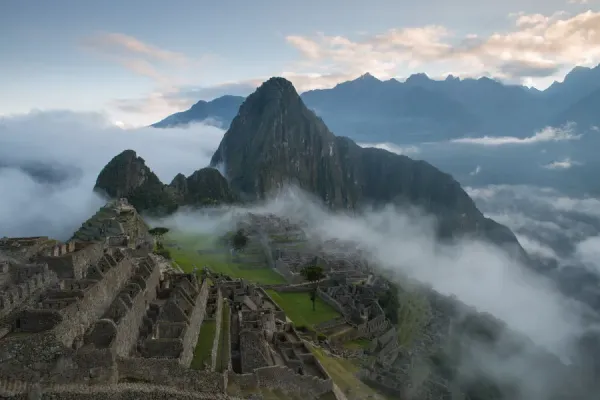
High in the Andes Mountains of Peru lies one of the most breathtaking archaeological sites in the world — Machu Picchu. Often called the “Lost City of the Incas,” this ancient citadel is a masterpiece of engineering, mystery, and natural beauty.
Surrounded by misty peaks and lush green valleys, Machu Picchu feels almost mythical when you first see it. Whether you’re an adventure traveler, history lover, or cultural explorer, this UNESCO World Heritage Site promises a once-in-a-lifetime experience.
This complete guide covers everything you need to know — history, top highlights, how to reach, best time to visit, travel tips, and why Machu Picchu remains one of the greatest wonders on Earth.
The History Behind Machu Picchu
Machu Picchu was built in the 15th century during the reign of the Inca emperor Pachacuti. It is believed to have been a royal estate or sacred religious site.
Unlike many other Inca cities, Machu Picchu was never discovered by Spanish conquerors. It remained hidden in the mountains for centuries.
In 1911, American explorer Hiram Bingham brought global attention to the site, although local communities already knew of its existence.
Today, Machu Picchu stands as one of the best-preserved examples of Inca architecture and engineering.
Why Machu Picchu Is So Special
Machu Picchu is extraordinary for several reasons:
- It sits 2,430 meters (7,970 feet) above sea level
- It is built without mortar — stones fit perfectly together
- It blends seamlessly with natural mountain landscapes
- Its purpose is still debated by historians
The Incas carefully designed the city with terraces, temples, agricultural zones, and water channels — all integrated into the steep mountain terrain.
Main Highlights Inside Machu Picchu
Temple of the Sun
This semi-circular temple was likely used for religious ceremonies and astronomical observations. The Incas aligned structures with the sun during solstices, showcasing their advanced knowledge of astronomy.
Intihuatana Stone
Often called the “Hitching Post of the Sun,” this carved stone pillar is believed to have been used as a solar clock or ceremonial object.
Temple of the Three Windows
This structure is one of the most iconic features of Machu Picchu. The windows represent the Inca view of the three worlds — the sky, the earth, and the underworld.
Huayna Picchu
The towering peak behind Machu Picchu is called Huayna Picchu. Adventurous travelers can hike to the top for panoramic views of the entire citadel.
Permits for this hike are limited and must be booked in advance.
How to Reach Machu Picchu
Reaching Machu Picchu is part of the adventure.
Step 1: Fly to Lima, Peru
Most international travelers arrive in Lima.
Step 2: Travel to Cusco
Take a domestic flight to Cusco, the historic capital of the Inca Empire.
Cusco
Cusco is a beautiful colonial city and a UNESCO World Heritage Site. Spend at least one or two days here to adjust to the altitude before heading to Machu Picchu.
Step 3: Reach Aguas Calientes
Aguas Calientes
From Cusco, you can take a train or hike the famous Inca Trail to Aguas Calientes, the town at the base of Machu Picchu.
From Aguas Calientes, a short bus ride takes you up to the entrance.
The Famous Inca Trail
For adventure lovers, the Inca Trail is one of the world’s most famous trekking routes. This multi-day hike follows ancient stone paths through mountains, cloud forests, and ruins before arriving at Machu Picchu’s Sun Gate.
Permits are limited and often sell out months in advance.
Best Time to Visit Machu Picchu
Machu Picchu is open year-round, but weather varies.
Dry Season (May–September)
- Clear skies
- Best hiking conditions
- Peak tourist season
Rainy Season (November–March)
- Fewer tourists
- Lush green landscapes
- Higher chance of fog and rain
May and September are often considered ideal months — good weather with fewer crowds than peak summer.
What Makes Machu Picchu an Engineering Marvel
The Incas built Machu Picchu without modern tools or wheels. Massive stones were carved and transported up steep mountains.
Key engineering features include:
- Earthquake-resistant construction
- Advanced drainage systems
- Agricultural terraces preventing erosion
- Precise stone-cutting techniques
Even after centuries and earthquakes, the structures remain standing.
Travel Tips for First-Time Visitors
- Book tickets in advance (visitor numbers are limited daily).
- Arrive early morning for fewer crowds and magical misty views.
- Wear comfortable hiking shoes.
- Bring water, sunscreen, and light rain gear.
- Spend time acclimatizing in Cusco to avoid altitude sickness.
Also, respect site rules — no drones, no large backpacks, and no climbing on ruins.
Why Machu Picchu Is a UNESCO World Heritage Site
Machu Picchu was declared a UNESCO World Heritage Site in 1983 because of its cultural and historical importance.
It is also considered one of the New Seven Wonders of the World.
The site represents the height of Inca civilization and remains one of the most important archaeological treasures globally.
Machu Picchu vs Other Ancient Wonders
Compared to:
- The pyramids of Egypt — Machu Picchu is more integrated with natural landscape
- Petra in Jordan — Machu Picchu sits higher and is surrounded by dramatic mountain scenery
- Angkor Wat in Cambodia — Machu Picchu is smaller but more isolated and mysterious
What makes Machu Picchu unique is its remote location and breathtaking mountain setting.
Is Machu Picchu Worth Visiting?
Absolutely.
Machu Picchu is more than a historical site — it’s an emotional experience. Standing among ancient stone walls with clouds drifting through the Andes feels surreal.
It combines adventure, history, nature, and culture in one unforgettable destination.
For many travelers, visiting Machu Picchu is not just a trip — it’s a lifelong dream fulfilled.
Leave a reply





-
The Godfather (1972): The Crime Epic That Redefined Cinema
More than five decades later, The Godfather continues to influence filmmakers, actors, ...