
Oxford – The Complete Travel Guide to England’s Timeless Academic Gem
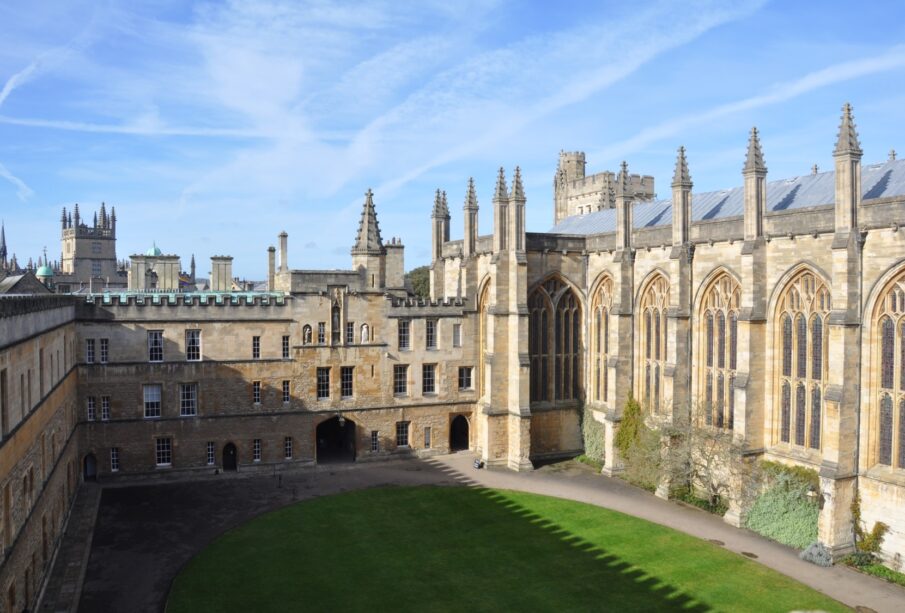
Oxford is a city where history, education, and beauty blend seamlessly. Known worldwide for its prestigious university, stunning architecture, and intellectual legacy, Oxford offers a peaceful yet inspiring travel experience.
Unlike the fast-paced energy of London or the natural escape of the Lake District, Oxford feels thoughtful and refined. Cobblestone streets, grand college courtyards, and centuries-old libraries create an atmosphere that is both calm and powerful.
Let’s explore Oxford in complete detail — its history, iconic landmarks, university colleges, museums, food, shopping, travel tips, and why it remains one of England’s most captivating destinations.
Why Visit Oxford?
Oxford attracts visitors from around the globe for several reasons:
- One of the world’s oldest universities
- Magnificent Gothic architecture
- Literary and scientific heritage
- Walkable city center
- Beautiful gardens and riverside views
It is ideal for travelers who appreciate history, culture, and elegant surroundings.
A Brief History of Oxford
Oxford’s history dates back over 1,000 years. By the 12th century, it had become a center of learning, eventually forming the renowned University of Oxford.
Over centuries, Oxford educated kings, prime ministers, scientists, writers, and global leaders. The university’s influence shaped not only Britain but much of the world.
Today, Oxford remains a thriving academic city, blending tradition with modern research and innovation.
The University Colleges
The University of Oxford is not a single campus but a collection of over 30 colleges, each with its own identity and architecture.
Christ Church
One of the largest and most famous colleges. Its grand dining hall inspired scenes in the Harry Potter films. The cathedral within the college is also a major attraction.
Magdalen College
Known for its beautiful deer park and riverside location. The peaceful gardens make it a perfect spot for quiet reflection.
Balliol College
One of the oldest colleges, with a strong academic tradition and historic courtyards.
Many colleges allow visitors to enter during certain hours, offering a glimpse into student life and centuries-old traditions.
Iconic Landmarks in Oxford
Radcliffe Camera
One of the most photographed buildings in Oxford, the Radcliffe Camera is a circular library that stands at the heart of the city.
Its elegant dome dominates the skyline and represents Oxford’s academic prestige.
Bodleian Library
One of the oldest libraries in Europe, the Bodleian Library holds millions of books and manuscripts.
Guided tours allow visitors to explore historic reading rooms and underground book storage areas.
Oxford University Museum of Natural History
This museum features dinosaur skeletons, scientific exhibits, and stunning Victorian architecture.
It’s a great destination for families and science enthusiasts.
Carfax Tower
For panoramic views of Oxford, climb Carfax Tower. From the top, you can see the “dreaming spires” that define the city’s skyline.
Literary Connections
Oxford has inspired many famous writers, including:
- J. R. R. Tolkien
- C. S. Lewis
Both authors lived and worked in Oxford, drawing inspiration from the city’s intellectual and imaginative atmosphere.
Literature lovers can explore pubs and locations associated with these writers.
Exploring Oxford on Foot and by River
Oxford is best explored on foot. Walking through narrow lanes and historic squares reveals hidden courtyards and quiet gardens.
Another popular activity is punting on the River Cherwell or River Thames. Punting involves standing on a flat boat and pushing it with a long pole — a traditional Oxford experience.
It’s especially enjoyable in spring and summer.
Food and Dining in Oxford
Oxford offers a mix of traditional and modern dining options:
- Historic pubs serving classic British meals
- Riverside cafes
- International restaurants
- Afternoon tea spots
Many pubs have academic history, once hosting debates among scholars and writers.
Shopping in Oxford
Shopping areas include:
- Cornmarket Street – Popular high-street brands
- Covered Market – Independent stalls and artisan goods
- Boutique shops in Jericho
The Covered Market, in particular, offers a charming and local shopping experience.
Best Time to Visit Oxford
- Spring (April–June): Blooming gardens and pleasant weather
- Summer (July–August): Lively but busier
- Autumn (September–October): Academic term atmosphere
- Winter (December): Festive lights and fewer tourists
Spring and early autumn are ideal for comfortable sightseeing.
Is Oxford Expensive?
Oxford can be moderately expensive due to its academic reputation and tourism.
To manage costs:
- Walk instead of using taxis
- Visit free museums
- Book accommodation early
- Explore affordable dining options
Day trips from London are also popular and convenient.
Who Should Visit Oxford?
Oxford is perfect for:
- Students and academics
- History lovers
- Literature enthusiasts
- Couples seeking a peaceful city break
- Cultural travelers
It’s a destination that feels intelligent, graceful, and deeply rooted in tradition.
Why Oxford Is Special
Oxford stands out because of its atmosphere. There’s a quiet confidence in the air — shaped by centuries of scholarship and achievement.
The city doesn’t try to impress loudly. Instead, it inspires through elegance, knowledge, and history.
It’s a place where every stone tells a story.
Final Thoughts
Oxford offers a travel experience that is thoughtful, beautiful, and culturally rich. From ancient colleges and historic libraries to riverside walks and literary heritage, the city provides depth and charm in equal measure.
If you are exploring the UK step by step, Oxford completes the journey with intellectual elegance and architectural beauty.


Leave a reply





-
Sherlock – The Brilliant Mind That Redefined Modern Detective Television
Even years after its last episode, fans still rewatch it, analyze scenes, ...