
Red Fort: The Timeless Pride of Delhi and Symbol of India’s Glorious Past
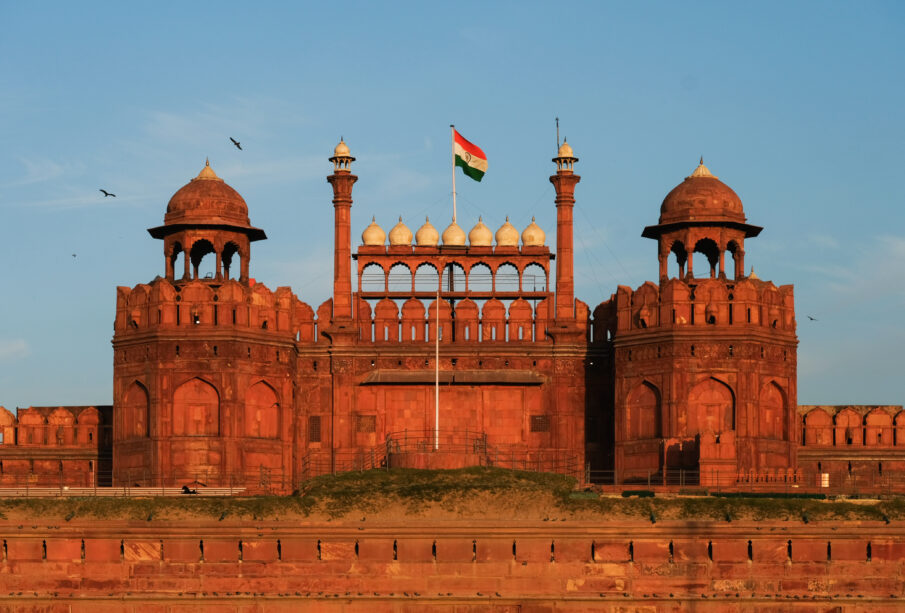
The Red Fort is not just a historical monument—it is an emotion deeply connected with India’s identity. Standing proudly in the heart of Old Delhi, this magnificent structure has witnessed centuries of royal grandeur, political shifts, wars, celebrations, and the birth of modern India. Every year on 15th August, when the Prime Minister hoists the national flag from its majestic ramparts, the Red Fort once again becomes the center of national pride.
Known locally as Lal Qila, this architectural masterpiece attracts millions of visitors from across the world. Its red sandstone walls, intricate marble work, sprawling courtyards, and historic halls tell stories of emperors, invasions, and independence. Let’s explore everything about this iconic monument — from its history and architecture to travel tips and fascinating facts.
History of the Red Fort
The Red Fort was commissioned in 1638 by Mughal Emperor Shah Jahan, the same ruler who built the Taj Mahal. When Shah Jahan decided to shift his capital from Agra to Delhi, he envisioned a grand palace-fort that would reflect the glory of the Mughal Empire. The construction took nearly 10 years and was completed in 1648.
Originally named Qila-e-Mubarak (The Blessed Fort), it served as the main residence of Mughal emperors for almost 200 years. The fort symbolized political power and cultural excellence. Under rulers like Aurangzeb and later emperors, it remained the center of governance and royal ceremonies.
However, the 18th and 19th centuries brought challenges. The fort faced invasions, especially by Persian ruler Nadir Shah in 1739, who looted immense wealth including the famous Peacock Throne. Later, during the Revolt of 1857, the British captured the fort and exiled the last Mughal emperor, Bahadur Shah Zafar.
After India gained independence in 1947, the Red Fort transformed into a national symbol. Today, it stands as a proud reminder of India’s rich and complex history.
Architectural Brilliance of the Red Fort
The Red Fort is a stunning blend of Persian, Timurid, and Indian architectural styles. Built primarily with red sandstone, parts of the interior feature white marble decorated with precious stones.
Here are some of the most remarkable structures inside:
1. Lahori Gate
The main entrance of the fort, facing Chandni Chowk, is known as Lahori Gate. It is through this gate that visitors enter the grand complex. On Independence Day, the Prime Minister addresses the nation from this very location.
2. Diwan-i-Aam (Hall of Public Audience)
This hall was where the emperor met common people and listened to their grievances. The beautifully carved throne alcove still reflects royal elegance.
3. Diwan-i-Khas (Hall of Private Audience)
Reserved for royal guests and dignitaries, this hall once housed the legendary Peacock Throne. An inscription here famously reads:
“If there is heaven on earth, it is this, it is this, it is this.”
4. Rang Mahal
Also known as the “Palace of Colors,” Rang Mahal was used by royal women. It features stunning decorations and a central water channel.
5. Moti Masjid
Built by Aurangzeb, this small marble mosque inside the fort adds spiritual grace to the complex.
The fort’s design also includes beautiful gardens laid out in the Persian charbagh style, water channels called Nahr-i-Behisht (Stream of Paradise), and impressive defensive walls rising up to 33 meters high.
Red Fort and Indian Independence
The Red Fort holds immense significance in modern India. On 15 August 1947, India’s first Prime Minister, Jawaharlal Nehru, hoisted the national flag here and delivered his historic speech marking India’s freedom from British rule.
Since then, every year on Independence Day, the Prime Minister hoists the tricolor from the fort’s ramparts and addresses the nation. This tradition has made the Red Fort a powerful symbol of democracy and sovereignty.
Red Fort as a UNESCO World Heritage Site
In 2007, the UNESCO designated the Red Fort as a World Heritage Site. It was recognized for its outstanding universal value, architectural brilliance, and historical importance.
This recognition has further increased global tourism and conservation efforts, ensuring that the monument remains protected for future generations.
Visiting the Red Fort: Timings, Tickets & Travel Tips
If you’re planning to visit, here’s everything you should know:
Timings
- Open: Tuesday to Sunday
- Closed: Monday
- Visiting Hours: 9:30 AM to 4:30 PM
Ticket Prices (Approximate)
- Indian citizens: ₹35–₹50
- Foreign tourists: ₹500–₹600
- Entry is free for children below a certain age.
Best Time to Visit
The ideal months are October to March when Delhi’s weather is pleasant. Early morning visits are recommended to avoid crowds and heat.
How to Reach
The Red Fort is located in Old Delhi and is well connected by metro, bus, and auto. The nearest metro station is Chandni Chowk.
Light and Sound Show
One of the most captivating experiences at the Red Fort is the evening Light and Sound Show. Through dramatic narration, music, and lighting effects, the show brings alive the story of Delhi and the Mughal era.
It’s a must-watch for history lovers and families visiting with children.
Interesting Facts About the Red Fort
- The fort covers over 250 acres.
- Its walls stretch for about 2.5 kilometers.
- The original Koh-i-Noor diamond was once displayed here before being taken by the British.
- The fort was originally white, as parts were built using limestone. Over time, it acquired its red appearance.
- The Peacock Throne, one of the most expensive thrones ever made, was housed here.
Red Fort in Popular Culture
The Red Fort frequently appears in Indian films, documentaries, and textbooks. It is one of the most photographed monuments in India. For international travelers, it often becomes a starting point for exploring Delhi’s heritage, including Jama Masjid, Chandni Chowk, and Raj Ghat.
Why the Red Fort Still Matters Today
The Red Fort is more than a tourist attraction. It represents:
- India’s architectural excellence
- The rise and fall of the Mughal Empire
- The struggle for independence
- The pride of a free nation
Walking through its corridors feels like stepping back into history. The echoes of royal footsteps, the whispers of political decisions, and the roar of independence celebrations seem to linger in the air.
Conclusion
The Red Fort stands as a timeless guardian of India’s history. From Mughal emperors to modern democracy, it has witnessed transformations that shaped the nation. Its towering red walls, grand halls, and historic significance make it one of the most important landmarks in India.
Whether you are a history enthusiast, a student, a traveler, or simply someone who loves exploring cultural heritage, a visit to the Red Fort is an unforgettable experience. It is not just a monument—it is a living chapter of India’s story.
If there is one place in Delhi that truly captures the spirit of the country, it is the magnificent Red Fort.



Leave a reply





-
Marty Supreme (2025): A Heartfelt Story of Obsession, Talent, and Redemption
Directed with quiet sensitivity, this film is neither a flashy sports drama ...