
Trimbakeshwar Jyotirlinga Temple: A Sacred Journey to One of the 12 Jyotirlingas
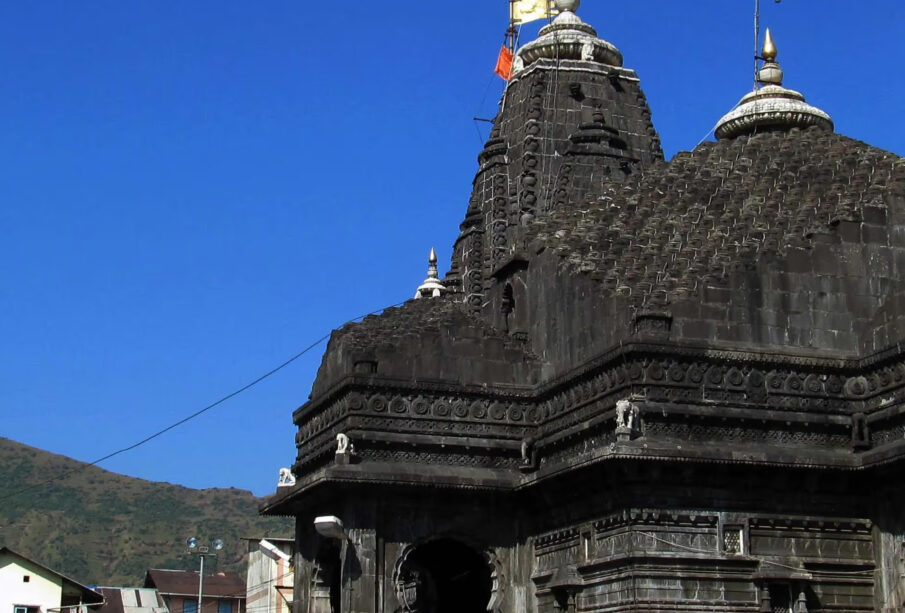
India is a land of ancient faith, timeless traditions, and spiritual destinations that attract millions every year. Among the most revered pilgrimage sites dedicated to Lord Shiva stands the powerful and spiritually significant Trimbakeshwar Jyotirlinga Temple in Maharashtra. Located near Nashik, this holy shrine is not just a temple — it is a divine experience wrapped in mythology, history, and devotion.
This sacred temple is counted among the 12 Jyotirlingas of Lord Shiva, making it one of the most important Shiva temples in India. Devotees believe that visiting this temple washes away sins and grants peace, prosperity, and spiritual upliftment.
Where Is Trimbakeshwar Jyotirlinga Located?
Trimbakeshwar Temple is situated in the town of Trimbak, around 28 kilometers from Nashik city in Maharashtra. The temple lies at the foothills of the Brahmagiri Hills, which is also the origin point of the sacred Godavari River — often called the “Ganga of the South.”
The peaceful surroundings, lush green hills, and divine atmosphere make it not only a spiritual destination but also a scenic travel experience.
The Unique Significance of Trimbakeshwar Jyotirlinga
What makes Trimbakeshwar different from other Jyotirlingas is its rare and unique Shiva Lingam.
Unlike traditional lingams, the sanctum here houses three small lingas representing:
- Lord Brahma
- Lord Vishnu
- Lord Mahesh (Shiva)
These three together symbolize the holy trinity of Hinduism. This makes the temple spiritually powerful and symbolically complete.
Another fascinating aspect is that the lingam is constantly eroded by water, symbolizing the eternal flow of time. A jeweled crown (believed to be over 200 years old) is placed over the deity on special occasions.
The Mythological Story Behind Trimbakeshwar
According to ancient Hindu scriptures, Sage Gautama and his wife Ahalya lived in this region. Due to a curse and circumstances involving a sacred cow, Sage Gautama prayed deeply to Lord Shiva to free him from sin. Pleased with his devotion, Lord Shiva appeared and released the holy Godavari River here to purify the land.
Lord Shiva then agreed to reside here permanently as a Jyotirlinga, blessing the region and devotees forever.
This legend adds emotional depth and spiritual weight to the temple’s existence.
Temple Architecture and Design
The temple was rebuilt in the 18th century by Peshwa Balaji Baji Rao. It is constructed in classic Hemadpanthi architectural style using black basalt stone.
Key architectural highlights:
- Intricate stone carvings
- Majestic entrance gate
- Sacred water tank called Kushavarta Kund
- Detailed sculptures of gods and mythological figures
The temple’s dark stone structure against the backdrop of green hills creates a visually striking and spiritually powerful presence.
Kushavarta Kund – The Origin of the Godavari
Near the temple lies Kushavarta Kund, a sacred pond believed to be the symbolic origin of the Godavari River. Devotees take holy dips here before entering the temple. Ritual bathing is considered spiritually cleansing and highly auspicious.
Major Rituals and Pujas at Trimbakeshwar
Trimbakeshwar is especially famous for performing specific religious rituals. Many devotees visit here to perform:
- Narayan Nagbali Puja
- Kalsarpa Shanti Puja
- Tripindi Shraddha
- Rudrabhishek
These rituals are believed to remove ancestral doshas, planetary issues, and karmic obstacles.
Priests at the temple follow strict Vedic traditions, and rituals are performed with detailed procedures.
Best Time to Visit Trimbakeshwar Temple
The temple remains open throughout the year, but certain times are especially significant:
Shravan Month
During the holy month of Shravan (July–August), thousands of devotees visit every Monday.
Mahashivratri
Mahashivratri is celebrated with grand devotion, attracting pilgrims from across India.
Kumbh Mela
Nashik hosts the Kumbh Mela every 12 years, and Trimbakeshwar becomes a major spiritual center during this time.
If you prefer less crowd, the winter months from October to February are ideal for a peaceful darshan.
Temple Timings and Entry Information
- Opening Time: Around 5:30 AM
- Closing Time: Around 9:00 PM
- Special Puja Timings vary
Devotees are required to follow traditional dress codes, especially men who wish to perform abhishek rituals.
How to Reach Trimbakeshwar
- Nearest Airport: Nashik Airport
- Nearest Railway Station: Nashik Road Railway Station
- Well-connected by road via Mumbai and Pune
Many pilgrims combine this visit with nearby attractions in Nashik such as Panchavati and Sula Vineyards.
Spiritual Experience and Atmosphere
There is something deeply calming about standing inside the sanctum of Trimbakeshwar. The sound of Vedic chants, the fragrance of incense, and the sight of devotees with folded hands create an atmosphere filled with faith and devotion.
Visitors often describe feeling lighter, emotionally relieved, and spiritually connected after darshan.
Travel Tips for Devotees
- Visit early morning to avoid long queues
- Carry traditional attire if performing rituals
- Book pujas in advance through authorized priests
- Avoid peak holidays if you want a peaceful experience
- Respect temple customs and photography restrictions
Nearby Attractions
If you are planning a full spiritual trip, consider visiting:
- Brahmagiri Hills
- Anjaneri Hills (birthplace of Lord Hanuman as per belief)
- Nashik’s Panchavati area
- Saptashrungi Devi Temple
Why Trimbakeshwar Jyotirlinga Is So Special
Out of the 12 Jyotirlingas in India, Trimbakeshwar holds a distinct spiritual identity because of:
- Its association with the origin of the Godavari River
- The presence of the Hindu Trinity in one lingam
- Powerful Vedic rituals performed for dosha removal
- Its ancient mythological background
It is not just a pilgrimage — it is a sacred journey that combines faith, nature, history, and tradition.
Final Thoughts
Visiting Trimbakeshwar Jyotirlinga Temple is more than a religious ritual; it is a soulful experience that reconnects you with ancient Indian spirituality. Whether you go seeking blessings, performing rituals, or simply exploring India’s sacred heritage, this temple leaves a lasting impression on the heart.
If you are planning a spiritual trip in Maharashtra, Trimbakeshwar deserves a top place on your list.








-
BENEDICT CUMBERBATCH — Brilliance, Depth, and Quiet Magnetism
Benedict Timothy Carlton Cumberbatch was born on July 19, 1976, in London, ...