
Varanasi (Banaras): The Eternal City Where Time Stands Still
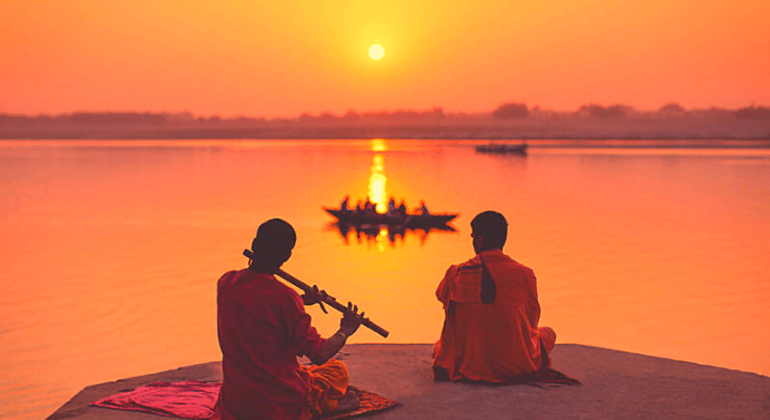
There are cities you visit, and then there are cities that stay with you forever. Varanasi, also lovingly called Banaras or Kashi, belongs to the second category. It is not just a place on the map of India; it is an experience, an emotion, and for many, a spiritual calling.
Situated on the banks of the holy Ganga River in the state of Uttar Pradesh, Varanasi is considered one of the oldest continuously inhabited cities in the world. People say that life and death both find meaning here. From the early morning chants at the ghats to the glowing lamps of the evening Ganga Aarti, every moment in this city feels sacred.
If you are planning to explore Varanasi or simply want to understand why millions of people are drawn to it every year, this detailed guide will walk you through everything — history, culture, temples, food, shopping, festivals, travel tips, and more.
The History of Varanasi: Older Than You Can Imagine
Varanasi is believed to be more than 3,000 years old, though many historians say it could be even older. Ancient Hindu scriptures describe it as the city of Lord Shiva. According to mythology, Shiva himself established Kashi, making it one of the holiest cities in Hinduism.
The name “Varanasi” comes from two rivers — Varuna and Assi — that flow into the Ganga. Over time, the city became a center of learning, philosophy, music, and spirituality. Saints, poets, scholars, and travelers have walked its narrow lanes for centuries.
It was also an important place during the time of the Buddha. Nearby Sarnath is where Gautama Buddha gave his first sermon after attaining enlightenment. This makes the region sacred not only to Hindus but also to Buddhists.
Through centuries of change — from ancient kingdoms to Mughal rule to British India — Varanasi has survived, adapted, and remained deeply rooted in its traditions.
The Sacred Ghats of Banaras
One of the most iconic sights of Varanasi is its ghats — stone steps leading down to the river Ganga. There are more than 80 ghats in the city, each with its own story and importance.
Dashashwamedh Ghat
The most famous and lively ghat. Every evening, the grand Ganga Aarti takes place here. Priests perform rituals with large lamps, chanting mantras while thousands of people watch in silence and devotion.
Manikarnika Ghat
This is one of the main cremation ghats. In Hindu belief, being cremated here and having ashes immersed in the Ganga is said to bring moksha — freedom from the cycle of birth and death. It may feel intense for first-time visitors, but it reflects the deep spiritual truth of life’s impermanence.
Assi Ghat
Popular among students and travelers, Assi Ghat is peaceful in the morning. You can join yoga sessions or simply sit and watch the sunrise over the river.
A boat ride at sunrise is one of the most beautiful experiences in Varanasi. As the sun rises and golden light falls on the ghats, you see priests performing rituals, devotees taking holy dips, and life unfolding in a way that feels timeless.
Kashi Vishwanath Temple: Heart of the City
At the center of Varanasi stands the sacred Kashi Vishwanath Temple. Dedicated to Lord Shiva, this temple is one of the twelve Jyotirlingas in India.
Millions of devotees visit every year to offer prayers and seek blessings. The temple’s golden dome shines brightly and can be seen from different parts of the city. The newly developed Kashi Vishwanath Corridor has made access easier for pilgrims, connecting the temple directly to the ghats.
Visiting the temple early in the morning is a special experience. The chants, the fragrance of flowers and incense, and the feeling of devotion create a powerful atmosphere.
Sarnath: Where Buddha Taught the World
Just about 10 kilometers from Varanasi lies Sarnath. This peaceful town holds great importance in Buddhism. After attaining enlightenment in Bodh Gaya, Lord Buddha came to Sarnath and delivered his first sermon here.
The Dhamek Stupa, Ashoka Pillar, and ancient ruins attract visitors from around the world. Compared to the crowded lanes of Banaras, Sarnath feels calm and meditative.
If you have a day to spare, a visit to Sarnath adds depth to your Varanasi journey.
The Spiritual Energy of Banaras
Varanasi is often called the “Spiritual Capital of India.” But what makes it so special?
It is not just about temples and rituals. It is about the way spirituality is woven into daily life. People here start their mornings with a dip in the Ganga, chant prayers while walking through busy streets, and treat life and death as natural parts of existence.
Saints like Kabir and Tulsidas lived and wrote here. Classical music legends such as Ustad Bismillah Khan gave Banaras its unique musical identity. Even today, you can hear devotional songs echoing through the narrow lanes.
The city teaches acceptance — of joy, sorrow, beginnings, and endings.
Banarasi Food: A Treat for Every Visitor
A trip to Varanasi is incomplete without tasting its famous street food.
Kachori Sabzi
Crispy kachoris served with spicy potato curry make for a perfect breakfast.
Tamatar Chaat
A unique dish made from mashed tomatoes, spices, and crispy toppings — full of flavor.
Banarasi Paan
Perhaps the most famous paan in India. Sweet, flavorful, and beautifully prepared.
Malaiyyo
Available during winters, this delicate dessert made from milk foam simply melts in your mouth.
Food in Banaras is simple yet unforgettable. Most dishes are vegetarian, reflecting the city’s religious traditions.
Banarasi Silk Sarees: A Symbol of Elegance
Varanasi is world-famous for its Banarasi silk sarees. These sarees are known for their rich fabric, intricate designs, and gold or silver zari work.
Weaving has been a tradition here for centuries. Walking through the local markets, you can see artisans working on handlooms with incredible patience and skill.
A Banarasi saree is not just clothing — it is often a part of Indian weddings and special occasions.
Festivals in Varanasi
Festivals here are celebrated with unmatched enthusiasm.
- Dev Deepawali: Celebrated 15 days after Diwali, when thousands of lamps light up the ghats.
- Mahashivratri: A grand festival dedicated to Lord Shiva.
- Ganga Mahotsav: Cultural performances, music, and art exhibitions along the river.
During festivals, the city feels alive with colors, lights, and devotion.
Best Time to Visit Varanasi
The best months to visit are from October to March. The weather is pleasant and ideal for exploring the ghats and temples.
Summers can be extremely hot, while monsoons bring heavy rains. Winter mornings are cool and often foggy, adding a magical touch to sunrise boat rides.
How to Reach Varanasi
Varanasi is well-connected by air, rail, and road.
- By Air: Lal Bahadur Shastri International Airport connects to major Indian cities.
- By Train: Varanasi Junction is one of the busiest railway stations in North India.
- By Road: Regular buses and taxis connect Varanasi to nearby cities like Prayagraj and Lucknow.
Where to Stay in Varanasi
From budget guesthouses near the ghats to luxury hotels overlooking the Ganga, Varanasi offers options for every traveler.
Many visitors prefer staying close to Dashashwamedh Ghat to experience the real charm of the city. However, areas near Assi Ghat are quieter and popular among long-term travelers.
Travel Tips for First-Time Visitors
- Wake up early for a sunrise boat ride.
- Respect local customs, especially near temples and cremation ghats.
- Wear modest clothing while visiting religious places.
- Keep cash for small purchases in local markets.
- Try walking through the old city lanes — that’s where the real Banaras lives.
Why Varanasi Leaves a Lasting Impact
There is something about Banaras that words cannot fully explain. It is chaotic yet peaceful. Crowded yet deeply personal. Ancient yet alive.
When you sit by the Ganga and watch the lamps float on water during the evening aarti, you feel connected — to history, to faith, and to something much bigger than yourself.
Varanasi does not try to impress you. It simply exists, as it has for thousands of years. And in that existence lies its magic.
Final Thoughts
Varanasi is more than a travel destination. It is a journey into India’s spiritual heart. Whether you come here as a pilgrim, a tourist, a photographer, or a seeker, you leave with memories that stay forever.
From the sacred ghats and grand temples to the delicious food and colorful markets, every corner of Banaras tells a story. If you truly want to understand the soul of India, start with Varanasi.
And when you do visit, don’t rush. Sit by the river. Listen to the bells. Watch the sunrise. Let Banaras reveal itself slowly — just the way it has done for centuries.


Leave a reply





-
ZOE SALDAÑA — Strength, Grace, and Quiet Power
Zoe Yadira Saldaña was born on June 19, 1978, in Passaic, New ...