
Yellowstone National Park: Where the Earth Breathes and Nature Leads
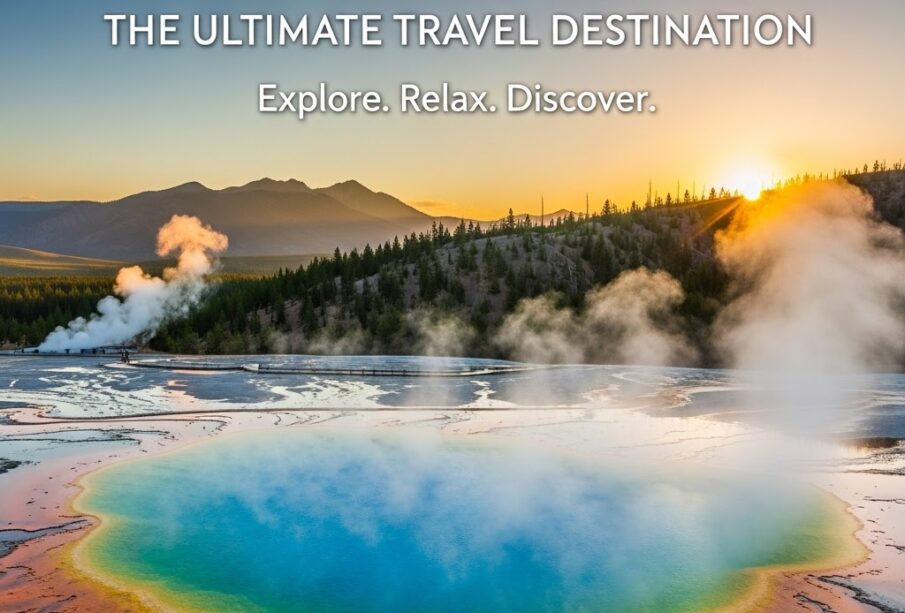
Yellowstone National Park is not just a place you visit—it’s a place you feel. Spread across vast stretches of Wyoming, Montana, and Idaho, Yellowstone is a living, breathing landscape where the planet reveals its raw power and quiet beauty at the same time.
This is a destination shaped by fire, water, and time. Geysers erupt without warning, wildlife moves freely across open valleys, and ancient forests stand as silent witnesses to thousands of years of natural evolution. Yellowstone does not perform for visitors; it exists on its own terms.
Why Yellowstone National Park Is Truly One of a Kind
Yellowstone holds a special place in the world as the first national park ever established. But its importance goes far beyond history.
It sits atop a massive volcanic system, making it one of the most geologically active areas on Earth. This underground heat fuels the park’s famous geysers, hot springs, and steam vents, creating landscapes found nowhere else.
What makes Yellowstone extraordinary is the combination of dramatic geology, vast wilderness, and thriving wildlife—all protected within one ecosystem.
A Landscape Shaped by Fire and Water
The defining feature of Yellowstone is its geothermal activity. Steam rises from the ground, colorful pools shimmer under sunlight, and geysers send columns of water skyward.
These natural phenomena are not static attractions. They change constantly, shaped by underground pressure and shifting conditions. Trails wind through areas that feel almost otherworldly, reminding visitors that the Earth here is very much alive.
This constant motion gives Yellowstone a sense of unpredictability that makes every visit unique.
The Iconic Geysers and Thermal Features
Yellowstone is home to the largest concentration of geysers on the planet. Some erupt on predictable schedules, while others surprise even seasoned visitors.
Hot springs glow with vibrant colors created by heat-loving microorganisms, forming natural patterns that feel more like art than science. Mud pots bubble and churn, releasing the scent of sulfur into the air.
These features are powerful reminders of the forces shaping the planet beneath our feet.
Wildlife in Its Natural Kingdom
Yellowstone is one of the last places in the United States where wildlife still roams across vast, uninterrupted land.
Bison move through valleys in massive herds, often stopping traffic as they cross roads at their own pace. Elk, wolves, bears, and deer are part of a carefully balanced ecosystem that continues to evolve.
Seeing these animals in their natural habitat is not a staged experience—it is a privilege that demands respect and distance.
The Role of Wolves and Natural Balance
The reintroduction of wolves to Yellowstone reshaped the park’s ecosystem in profound ways. Their presence helped restore balance by influencing prey behavior and allowing vegetation to recover.
This ripple effect transformed landscapes, riverbanks, and wildlife populations, becoming one of the most famous examples of ecosystem restoration.
Yellowstone teaches an important lesson: when nature is allowed to function freely, balance often returns.
Yellowstone’s Rivers, Lakes, and Waterways
Water plays a vital role throughout Yellowstone. Rivers carve through canyons, lakes stretch wide beneath open skies, and waterfalls crash with unfiltered force.
Yellowstone Lake, one of the largest high-altitude lakes in North America, reflects the surrounding mountains and changing weather, offering moments of stillness amid the park’s intensity.
These waterways support wildlife, shape terrain, and provide contrast to the park’s fiery geothermal zones.
Seasons That Transform the Park
Each season brings a new personality to Yellowstone National Park.
Spring awakens the land, with melting snow, rushing rivers, and newborn wildlife. Summer offers full access to trails and features, drawing visitors eager to explore under long daylight hours.
Autumn brings golden landscapes and crisp air, while winter transforms Yellowstone into a quiet, snow-covered wilderness where steam rises against frozen ground.
No matter when you visit, the park feels alive in a different way.
Hiking and Exploration Opportunities
Yellowstone offers trails for every level of explorer. Boardwalks guide visitors safely through geothermal areas, while backcountry trails lead into deep wilderness.
Some hikes offer sweeping views of valleys and mountains, while others pass close to thermal features or follow riverbanks carved by time.
Exploration here is about awareness—watching the ground, observing wildlife, and listening to the land.
A Place of Deep History and Meaning
Long before Yellowstone became a national park, Indigenous communities lived with and respected this land. The park holds deep cultural significance, with stories tied to its landscapes and natural features.
Later explorers documented the area’s wonders, helping inspire the idea of protected public land. Yellowstone became a symbol of conservation and environmental responsibility.
Its history reminds visitors that preservation is a choice, not an accident.
Conservation and Responsible Travel
Yellowstone’s beauty exists because of careful protection. Visitors play an important role in preserving the park by respecting rules, staying on designated paths, and keeping safe distances from wildlife.
Thermal features are fragile, and stepping off boardwalks can damage ecosystems or cause serious injury. Responsible travel ensures that Yellowstone remains intact for future generations.
Here, respect is part of the experience.
Best Time to Visit Yellowstone National Park
The most popular time to visit Yellowstone is from late spring through early fall, when roads and trails are fully accessible.
Summer offers the widest range of activities but also the highest number of visitors. Spring and autumn provide quieter experiences with dramatic seasonal changes.
Winter is ideal for those seeking solitude and unique snowy landscapes, though access is more limited.
Each season rewards travelers differently.
Why Yellowstone Leaves a Lasting Impact
Yellowstone changes how people see the natural world. It challenges the idea that humans control the landscape and instead reminds us that we are guests in a larger system.
Visitors often leave with a deeper appreciation for conservation, patience, and the complexity of nature.
It is not just a park—it is a lesson written in land, water, and time.
Final Thoughts
Yellowstone National Park stands as one of the most powerful natural destinations on Earth. It is raw without being hostile, vast without feeling empty, and ancient without being frozen in the past.
For travelers seeking wonder, perspective, and connection to the planet, Yellowstone offers an experience that cannot be replicated.
This is where nature speaks—and if you listen, it leaves a mark that lasts forever.







-
Liverpool – The Complete Travel Guide to Britain’s Maritime and Music Capital
Let’s explore Liverpool in depth — its history, top attractions, neighborhoods, food ...


